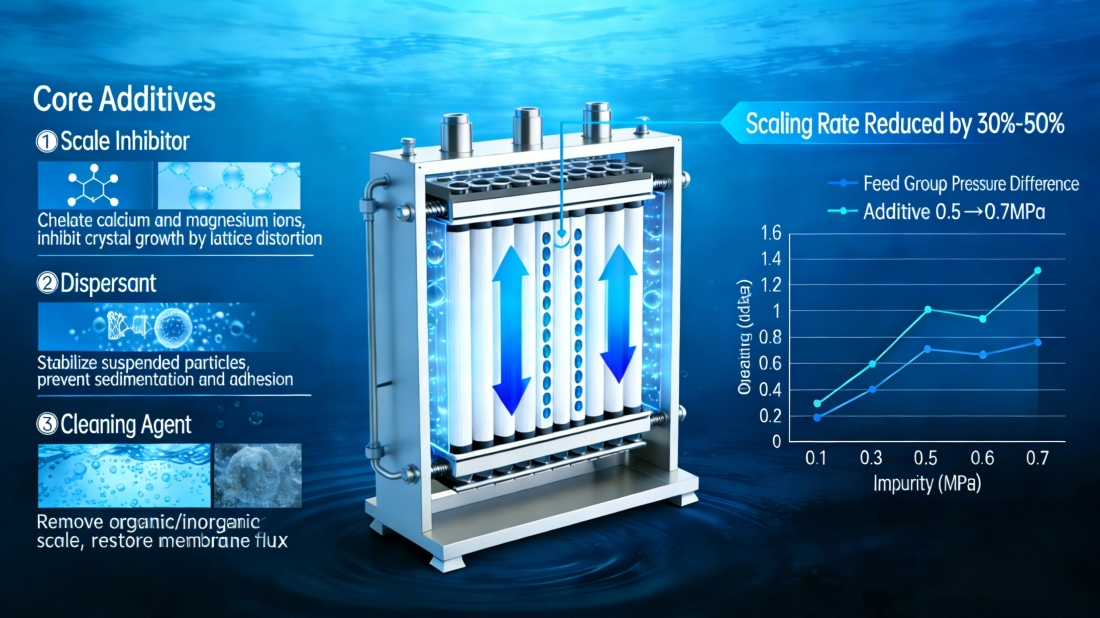
How Antiscalants—Key Water Treatment Additives—Inhibit RO Membrane Scaling Threshold Inhibition and Crystal Distortion Mechanisms Against Calcium Carbonate and Sulfate Reverse osmosis membranes often face scaling issues, but antiscalant...
VIEW MORE
Core Drilling Fluid Types and Their Geologic Fit Water-based, oil-based, and synthetic-based drilling fluids: performance trade-offs in reactive shales and fractured carbonates Around 75 percent of all drilling operations worldwide rely on water-ba...
VIEW MORE
Core Mechanisms: How Cleaning Agents Break Down Oilfield Contaminants Surfactant Action: Emulsification and Interfacial Tension Reduction In oilfields, surfactants work their magic on stubborn contaminants mainly because they lower the tension betw...
VIEW MORE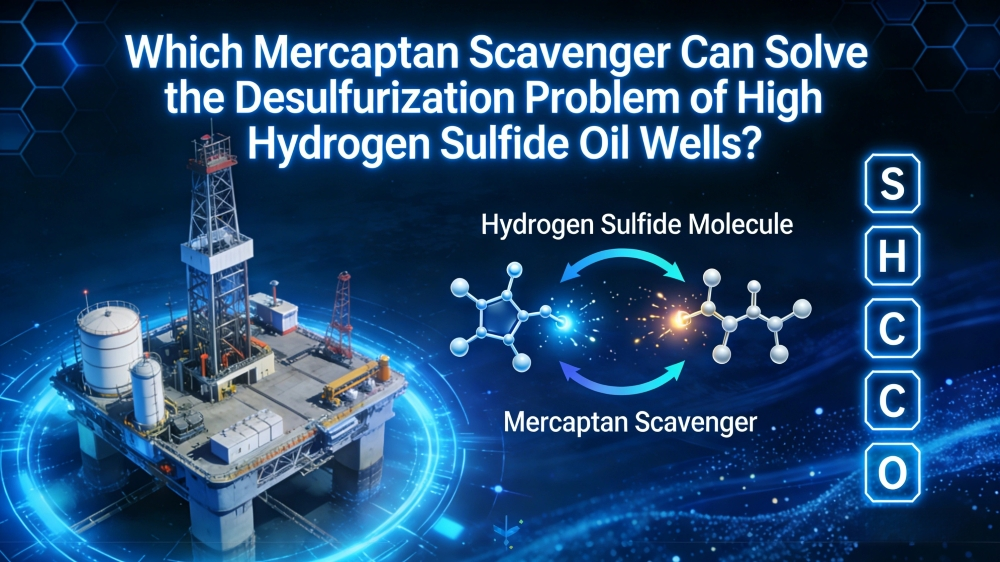
Why Conventional H₂S Mercaptan Scavengers Fail in High-Pressure, High-Temperature Oil Wells Thermal Degradation and Reversion: How Triazines Lose Efficacy Above 120°C The industry relies heavily on triazine-based scavengers for removing hydroge...
VIEW MORE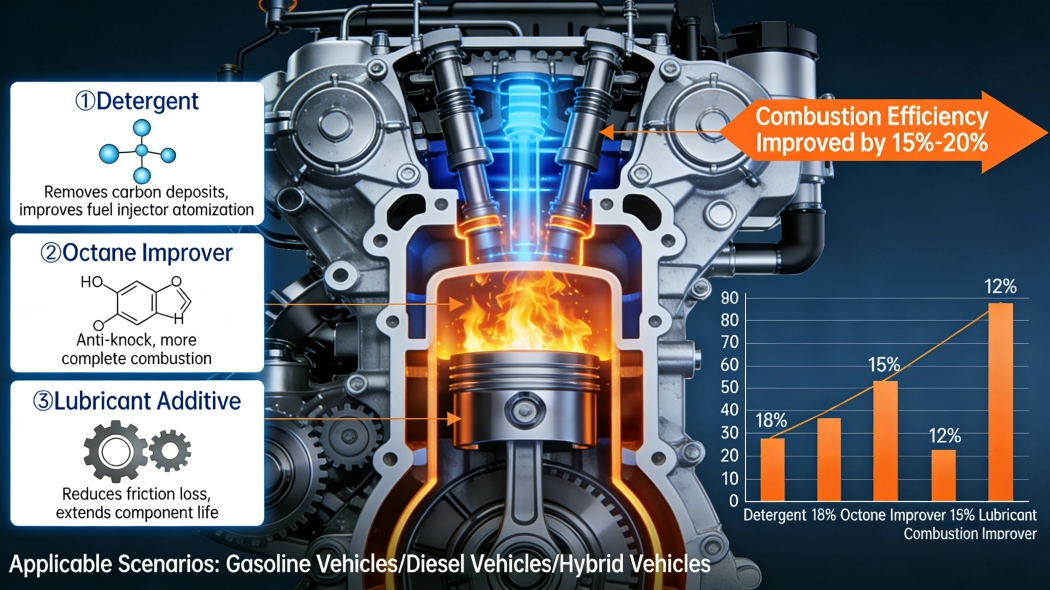
Oxygenated Fuel Additives: Enhancing Complete Combustion Mechanism: How Ethanol and 1-Butanol Increase Oxygen Availability and Reduce CO/HC Emissions Both ethanol (C2H5OH) and 1-butanol (C4H9OH) have oxygen in their molecules, which means they brin...
VIEW MORE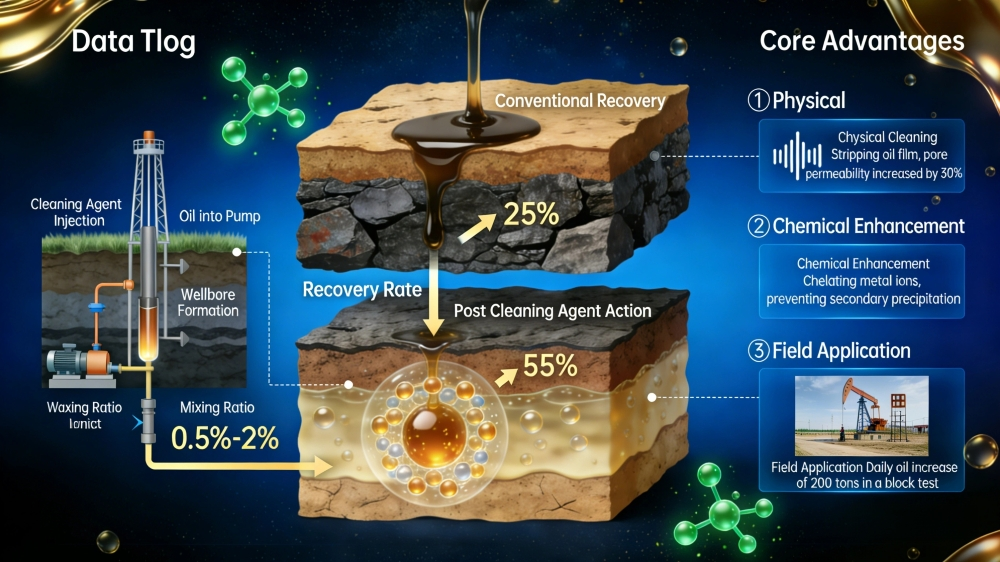
Why Cleaning Agent Selection Directly Impacts Crude Oil Recovery Rate Interfacial tension reduction and wettability alteration: Core mechanisms for residual oil mobilization Cleaning agents work their magic on stuck crude oil via two main processes...
VIEW MORE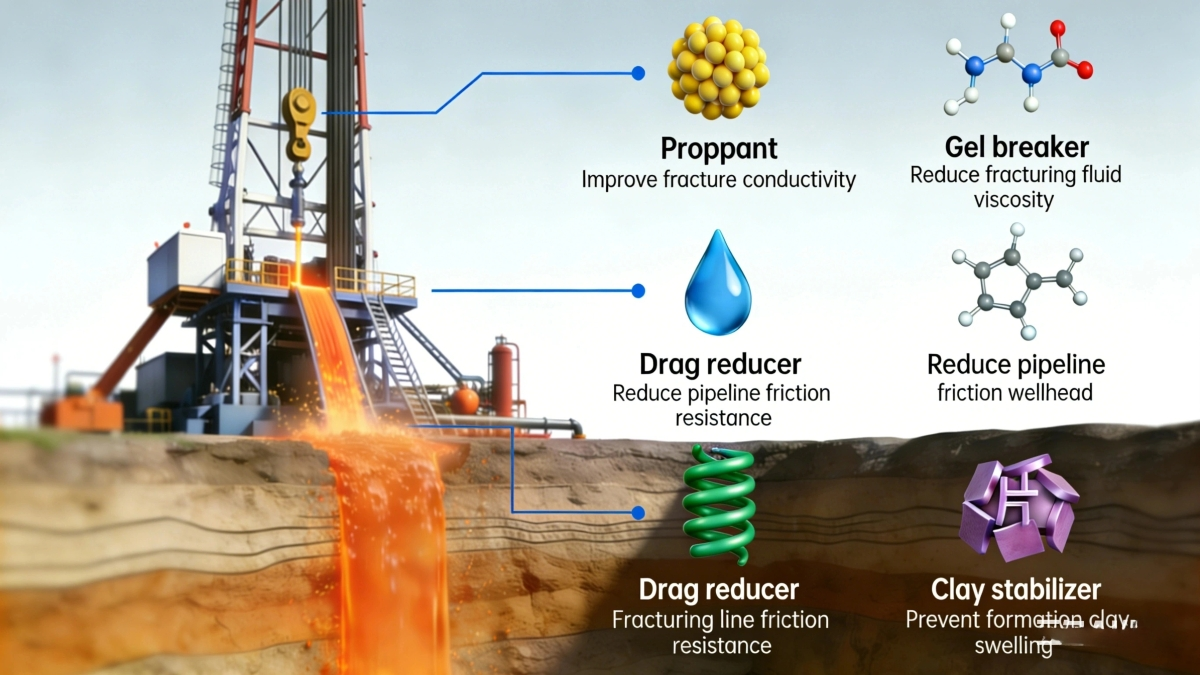
Core Functions of Fracturing and Stimulation Additives Rheology Control and Transport Efficiency: Defoamers, Friction Reducers, and Acids Additives used during fracturing and stimulation help adjust how fluids flow so proppants can move through and...
VIEW MORE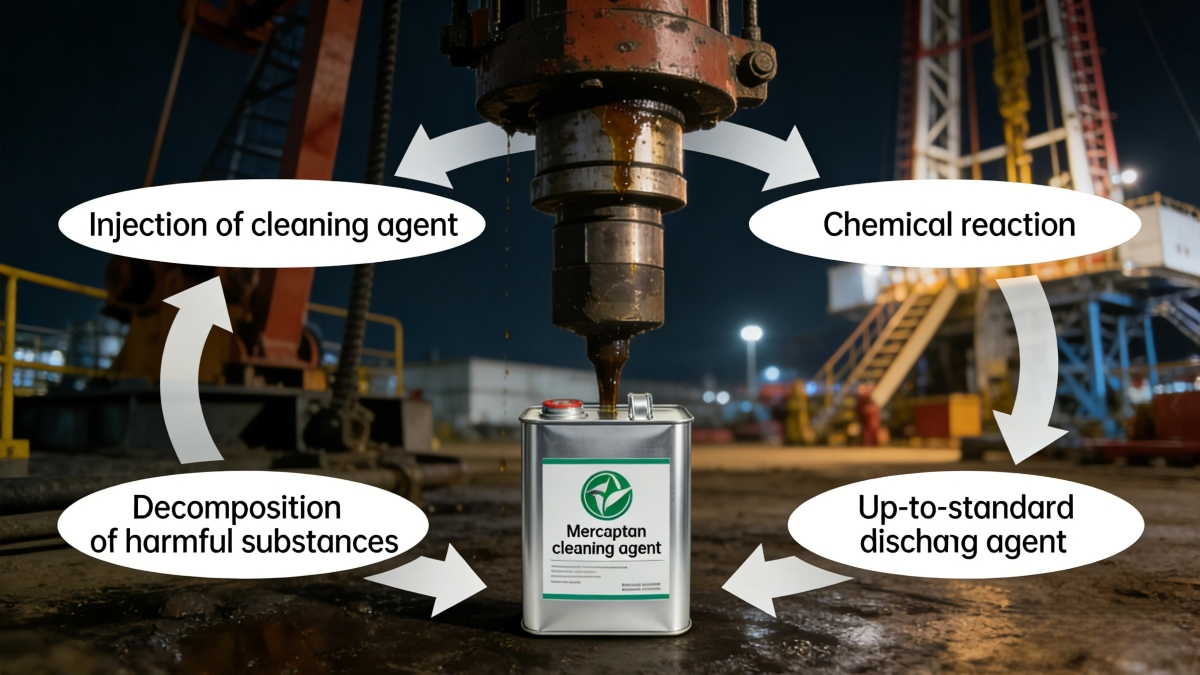
Why Conventional H2S Removal Fails Against Mercaptans Distinct chemical behavior: H2S vs. mercaptans in hydrocarbon streams Hydrogen sulfide (H2S) acts like a strong acid and tends to break apart easily, which makes it possible for common scavenger...
VIEW MORE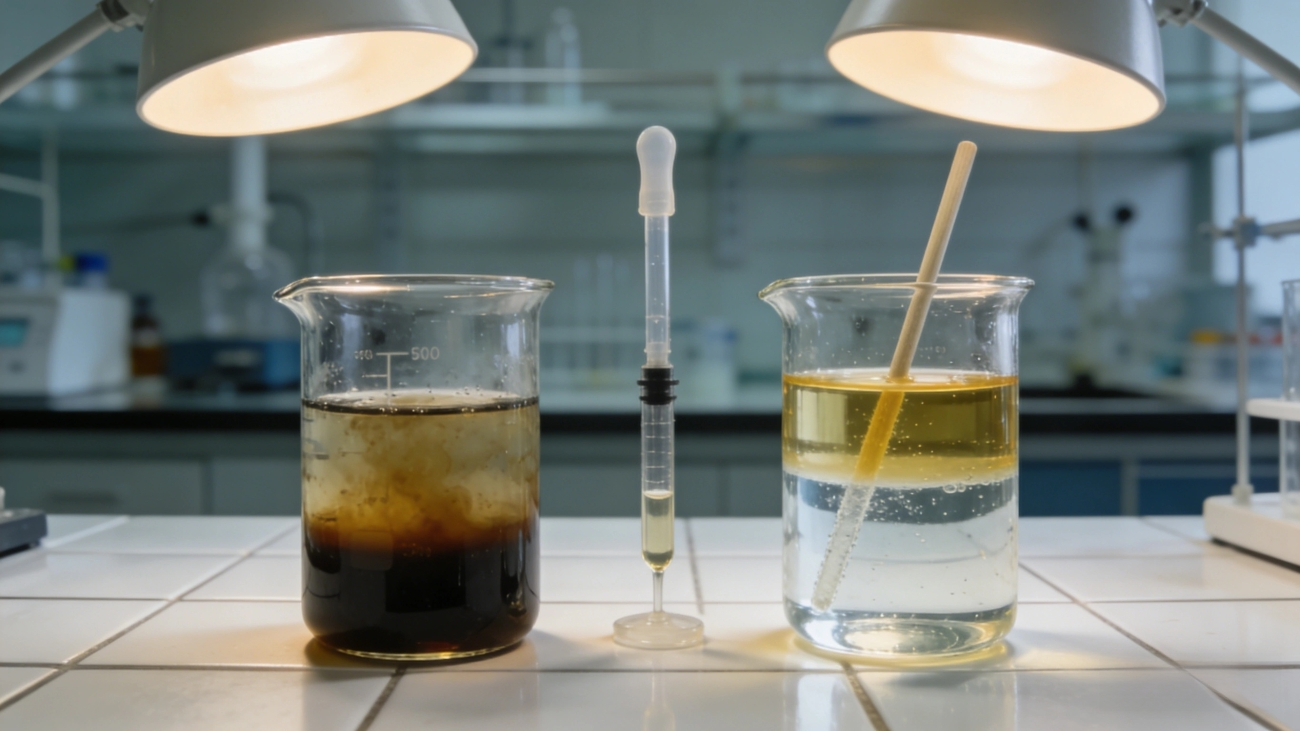
Why Crude Oil Forms Stable Emulsions and What Makes an Emulsifier Effective Natural Emulsifiers in Crude: Asphaltenes, Resins, and Naphthenic Acids Natural crude oil actually has some built-in substances that help it mix with water. These include t...
VIEW MORE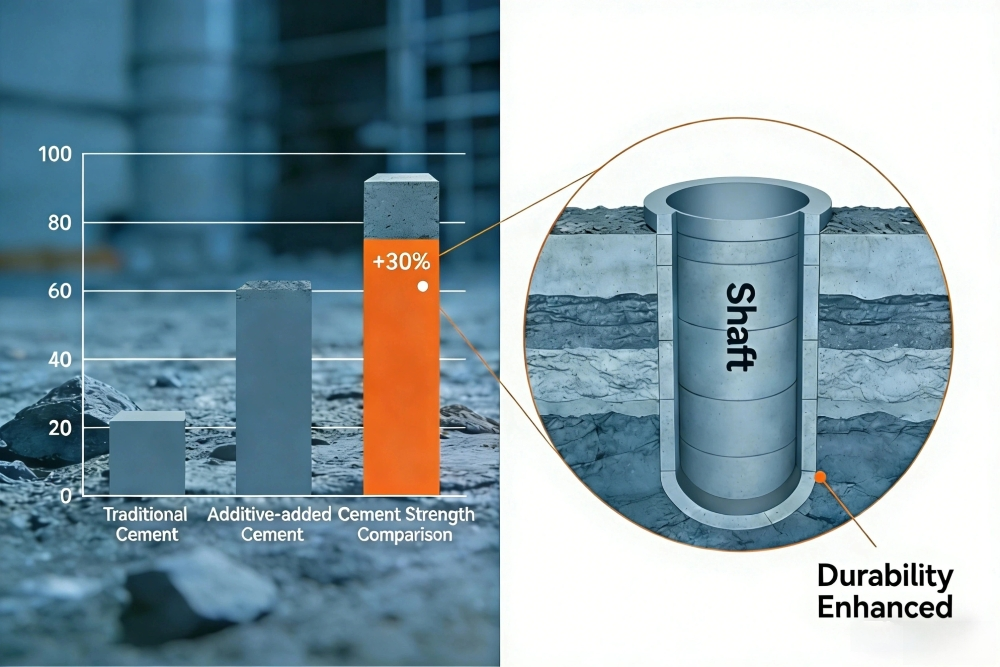
Pozzolanic Cementing Additives: Building Long-Term Strength and Density How silica fume, fly ash, and slag drive C-S-H formation and reduce permeability through secondary pozzolanic reactions When added to cement mixtures, materials like silica fum...
VIEW MORE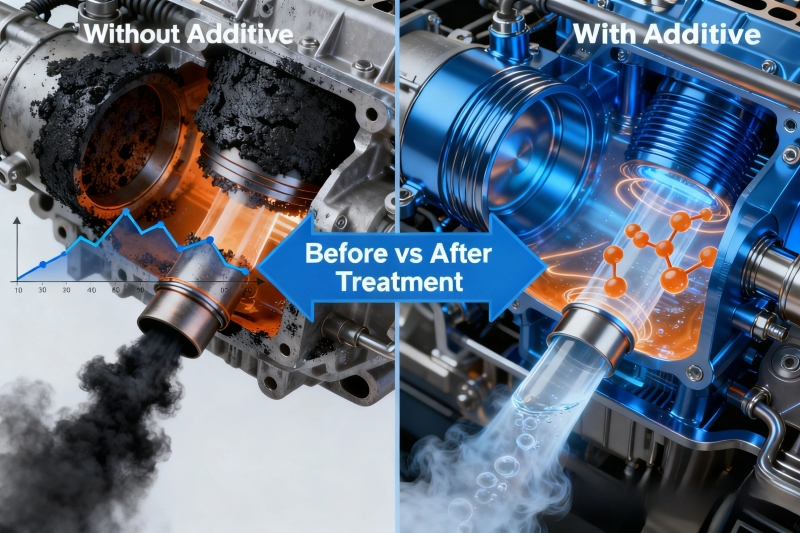
How Fuel Additives Work to Reduce Emissions Chemical pathways: Oxygenated, cetane-improving, and catalytic additives altering combustion chemistry Additives for fuel work their magic by changing how fuels burn at a molecular level. Take ethanol bas...
VIEW MORE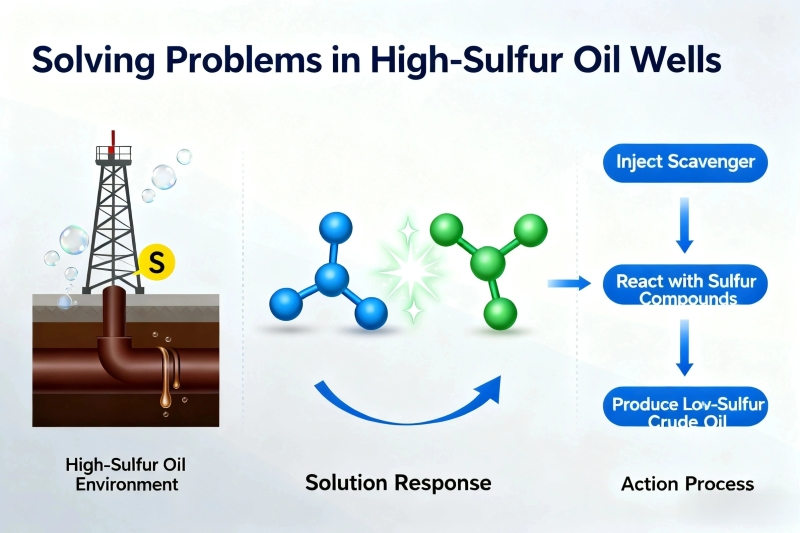
Density and Hydrostatic Pressure Control for Borehole Stability How mud weight counteracts high formation pressures in deep wells The density of drilling fluid plays a major role in creating hydrostatic pressure that needs to be higher than what's ...
VIEW MORE
LANZO CHEM specializes in oilfield chemical additives for drilling, fracturing & enhanced oil recovery. Trusted supplier with 40+ years expertise in fuel additives, water treatment & industrial coatings. ISO-certified R&D, global shipping to Africa, Middle East & Asia.
Room 1001-1002, Building 7, Tianzhu Community, No. 99 Maoshantou Road, Balihu New District, Jiujiang City, Jiangxi Province
Copyright © 2025 JIUJIANG LANZO NEW MATERIAL TECHNOLOGY CO., LTD All Rights Reserved. Privacy Policy
 EN
EN