
 EN
EN
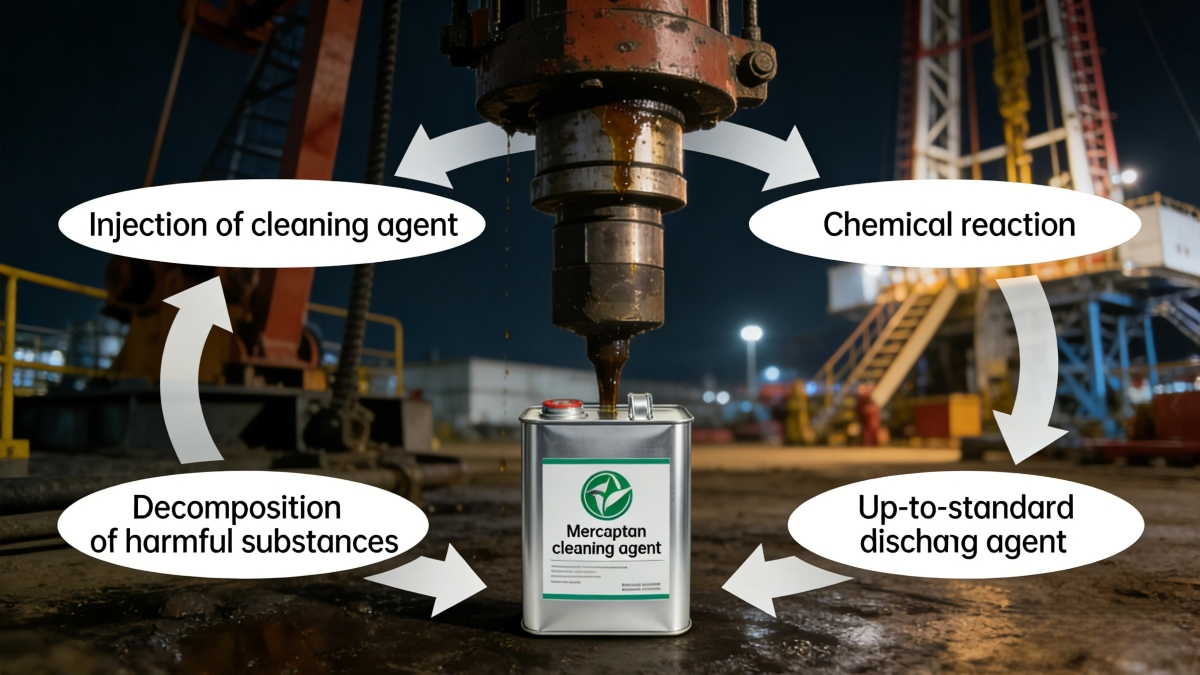
Why Conventional H2S Removal Fails Against Mercaptans
Distinct chemical behavior: H2S vs. mercaptans in hydrocarbon streams
Hydrogen sulfide (H2S) acts like a strong acid and tends to break apart easily, which makes it possible for common scavengers such as triazines to neutralize it quickly. Mercaptans (RSH) are different because they have this hydrocarbon part (the R group) that actually reduces their acidity while making them more water repelling. This means they don't react so well during regular treatment processes. As these mercaptan molecules get longer carbon chains, their weak acid properties become even weaker, so they just won't dissociate properly when exposed to caustic scrubbers or oxidation methods. Unlike H2S which creates soluble sulfides, mercaptans form those stubborn metal complexes that stick around in equipment and cause problems all through the system. Because of these basic differences in chemistry, simply removing H2S doesn't touch the mercaptans at all. Industries need specialized scavengers if they want full control over all sulfur compounds present.
Health, safety, and corrosion risks unique to mercaptans despite low concentrations
Mercaptans pose serious dangers even when present in very small concentrations measured in parts per million. When someone inhales these compounds quickly, they can experience immediate irritation to eyes, skin, and airways. At higher exposure levels, symptoms escalate to include headaches, dizziness, and potentially dangerous respiratory issues. What makes matters worse is how mercaptans react chemically with metals to create stubborn sulfide deposits. These deposits speed up corrosion processes inside pipes and storage tanks, particularly when moisture or acidity is involved. This leads to greater chances of equipment failures, unwanted spills, and unexpected plant shutdowns. Another concern worth noting is their extremely unpleasant smell which actually works against workers trying to detect them by scent alone. Because this odor remains constant regardless of concentration levels, it becomes harder for people to gauge actual danger through their sense of smell. Given all these health concerns, safety risks, and infrastructure problems, relying solely on hydrogen sulfide control methods just isn't enough anymore. Industry experts increasingly recommend combining traditional H2S management with specialized scavengers designed specifically for mercaptans to achieve full protection across all fronts.
How an H2S Mercaptan Scavenger Works: Chemistry, Selectivity, and Reaction Efficiency
Effective H2S mercaptan scavenger systems deploy specialized chemistries designed to irreversibly bind both sulfur species in hydrocarbon streams. Unlike physical absorbers, these formulations drive covalent or ionic reactions that permanently sequester contaminants—eliminating them from the product phase rather than merely transferring them to another medium.
Triazines and oxazolidines: reaction mechanisms and sulfur-binding stoichiometry
Triazine based scavengers work by reacting with hydrogen sulfide through what's called nucleophilic addition reactions. This creates stable thiadiazine solids that dissolve in water. Under good pH levels and proper contact times, these reactions reach almost one to one molar efficiency. When it comes to handling mercaptans, oxazolidines take a different approach. They form covalent bonds specifically at carbonyl sites which results in those non volatile amine salt products we see. What makes this interesting is how selective each compound tends to be. Triazines really go after hydrogen sulfide molecules even when other sulfur compounds are present in the mix. Meanwhile, oxazolidines have a particular fondness for those longer chain mercaptans starting from three carbon atoms upwards. Real world testing has confirmed something pretty impressive too. Modern versions of oxazolidine actually manage to capture over ninety eight percent of those heavier mercaptans just ten minutes after coming into contact with them during field operations.
Minimizing hazardous byproducts while maximizing scavenging capacity for both H2S and mercaptans
The best dual function scavengers work around reaction paths that create elemental sulfur or disulfides these are byproducts that actually help stabilize emulsions and make things harder when trying to separate materials later on. What these scavengers do instead is rely on proton transfer processes along with condensation reactions which produce inert solid polymers that can be easily filtered out. The system also includes built in pH balancing components plus special catalysts that speed things up significantly. This combination makes H2S removal much faster and allows the material to bind with mercaptans repeatedly through several contact cycles without losing effectiveness. Real world testing shows these dual action systems remove between 40 to 60 percent more total sulfur compared to traditional single chemistry approaches. Plus there's another big benefit they cut down on hazardous waste volumes by over half according to field data collected independently.
Selecting the Right H2S Mercaptan Scavenger: Regenerative vs. Non-Regenerative Options
Operational trade-offs: CAPEX, OPEX, waste disposal, and treatment throughput
When deciding between regenerative and non-regenerative H2S mercaptan scavengers, plant operators need to consider several connected operational aspects. Regenerative systems come with a bigger price tag upfront because they need extra equipment like regeneration columns, heat exchangers, and solvent recovery units. However these systems save money over time since chemicals can be reused instead of constantly buying new ones. These kinds of systems work well in facilities that handle large volumes of gas continuously, where the steady flow makes sense financially despite the initial expense. On the flip side, non-regenerative options get installed quickly and don't cost much initially, but companies end up spending regularly on fresh chemicals and dealing with the hassle of disposing hazardous waste according to regulations. What's really important is that regenerative technology cuts down on chemical usage by around 70% each year and reduces waste by at least 85%. So when making this decision, facility managers shouldn't just look at what something costs right now. They also need to think about how stable their gas flow is, how easy it is to manage waste products, and any legal requirements they have to follow, especially considering that some mercaptans create problems when trying to dispose them off site legally.
FAQ Section
Q1: What makes mercaptans different from H2S in hydrocarbon streams?
A1: Mercaptans have a hydrocarbon part that reduces their acidity and makes them more water repellent, unlike H2S which acts as a strong acid. This difference means mercaptans don't respond well to regular treatment processes and require specialized scavengers.
Q2: Why are mercaptans a health concern even at low concentrations?
A2: Mercaptans can cause irritation to eyes, skin, and airways even at very low concentrations. They also have a persistent unpleasant smell, making it difficult to gauge danger by odor alone.
Q3: How do H2S mercaptan scavengers work?
A3: These scavengers deploy specialized chemistries to bind both sulfur species in streams. They drive covalent or ionic reactions to sequester contaminants permanently, unlike physical absorbers that only transfer them to another medium.
Q4: What are the advantages of regenerative H2S mercaptan scavengers?
A4: Though regenerative systems have a higher initial cost due to additional equipment, they save money over time by allowing chemical reuse, reducing chemical usage by around 70%, and minimizing waste by at least 85%.