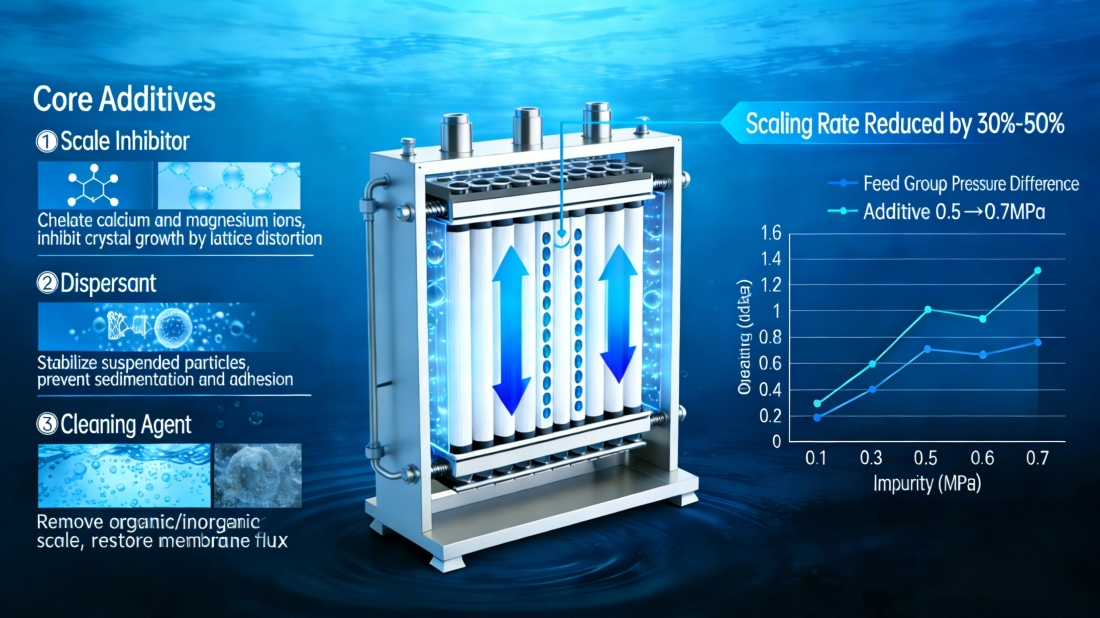
چگونه ضد رسوبها — بهعنوان افزودنیهای کلیدی تصفیه آب — با مکانیزمهای مهار آستانه رسوبگذاری و اعوجاج بلورها، از تشکیل رسوب روی غشاهای اسمز معکوس در برابر کربنات کلسیم و سولفات جلوگیری میکنند؟ غشاهای اسمز معکوس اغلب با مشکلات رسوبگذاری مواجه میشوند، اما ضد رسوبها...
مشاهده بیشتر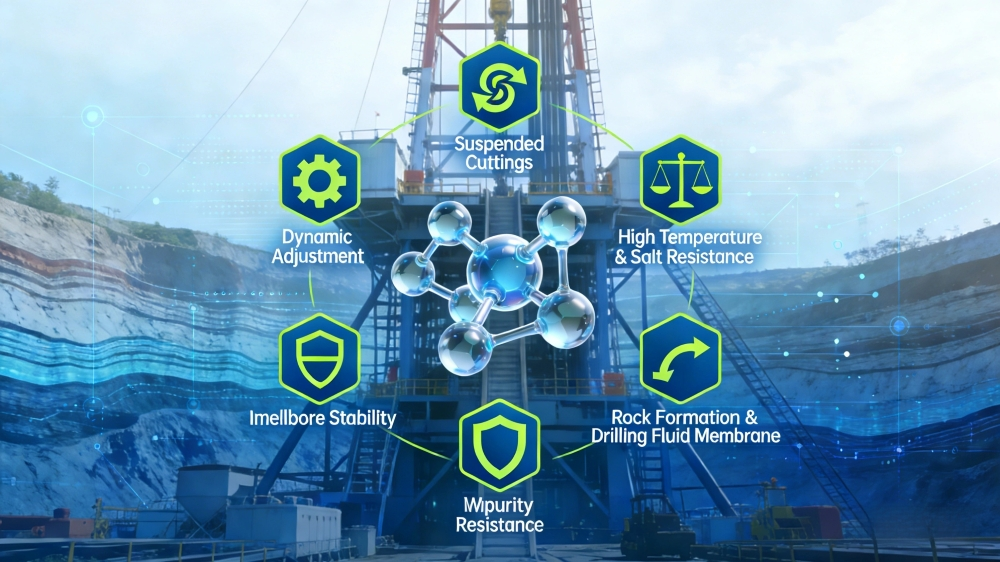
انواع اصلی مایعات حفاری و تطبیق آنها با شرایط زمینشناسی: مایعات حفاری مبتنی بر آب، مبتنی بر نفت و مبتنی بر مواد مصنوعی؛ تعادل عملکردی در شیلهای واکنشپذیر و سنگآهنهای ترکخورده. حدود ۷۵ درصد از تمام عملیات حفاری در سراسر جهان از مایعات حفاری مبتنی بر آب استفاده میکنند...
مشاهده بیشتر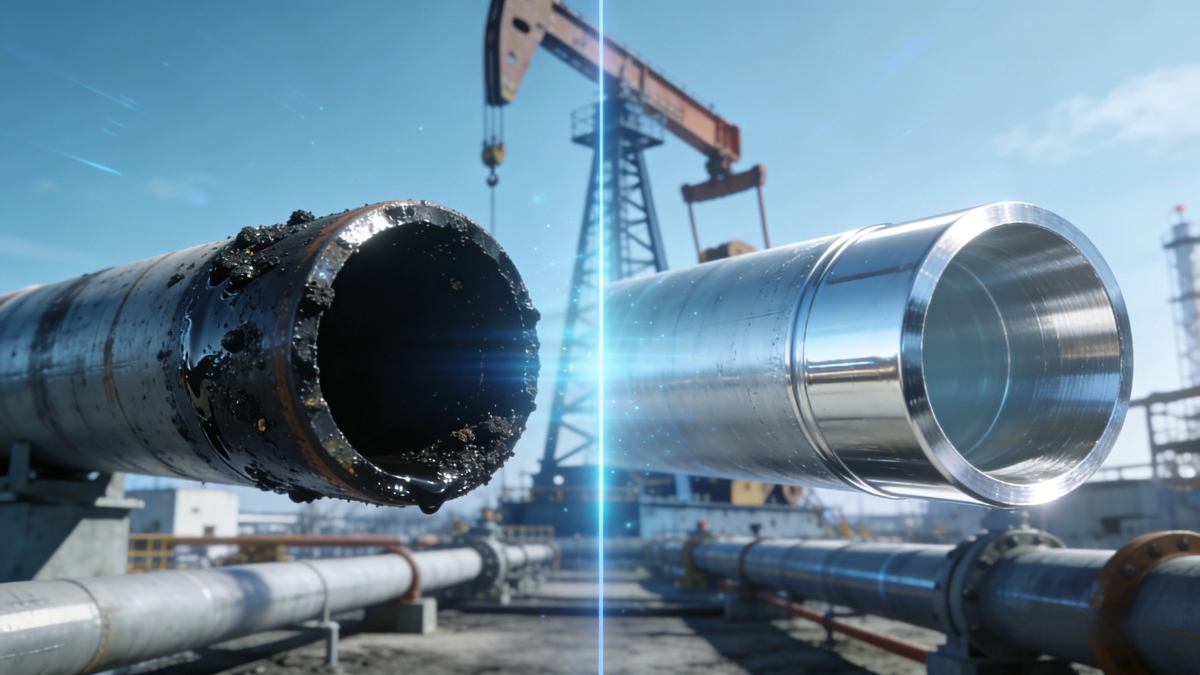
مکانیزمهای اصلی: چگونه عوامل پاککننده آلایندههای میدان نفتی را تجزیه میکنند؟ عمل سطحفعالها: امولسیونسازی و کاهش کشش سطحی در میدانهای نفتی، سطحفعالها با کاهش کشش بین سطوح، روی آلایندههای سرسخت اثر میگذارند...
مشاهده بیشتر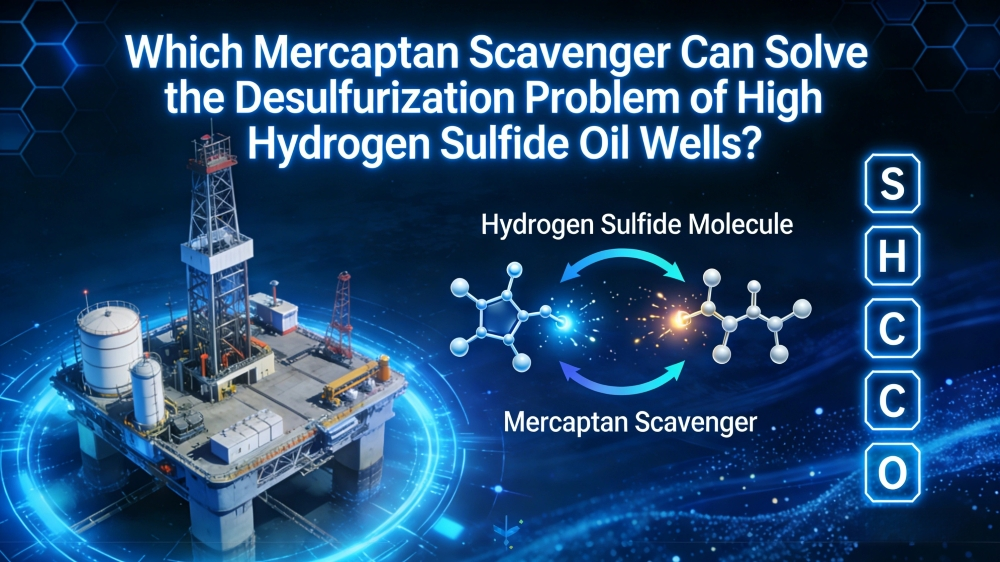
چرا جاذبهای مرسوم مرکاپتان H₂S در چاههای نفتی با فشار و دمای بالا شکست میخورند؟ تخریب حرارتی و واکنش معکوس: چگونه تریازینها بالاتر از دمای ۱۲۰°C کارایی خود را از دست میدهند؟ صنعت بهطور گستردهای بر جاذبهای مبتنی بر تریازین برای حذف هیدروژنسولفید تکیه دارد...
مشاهده بیشتر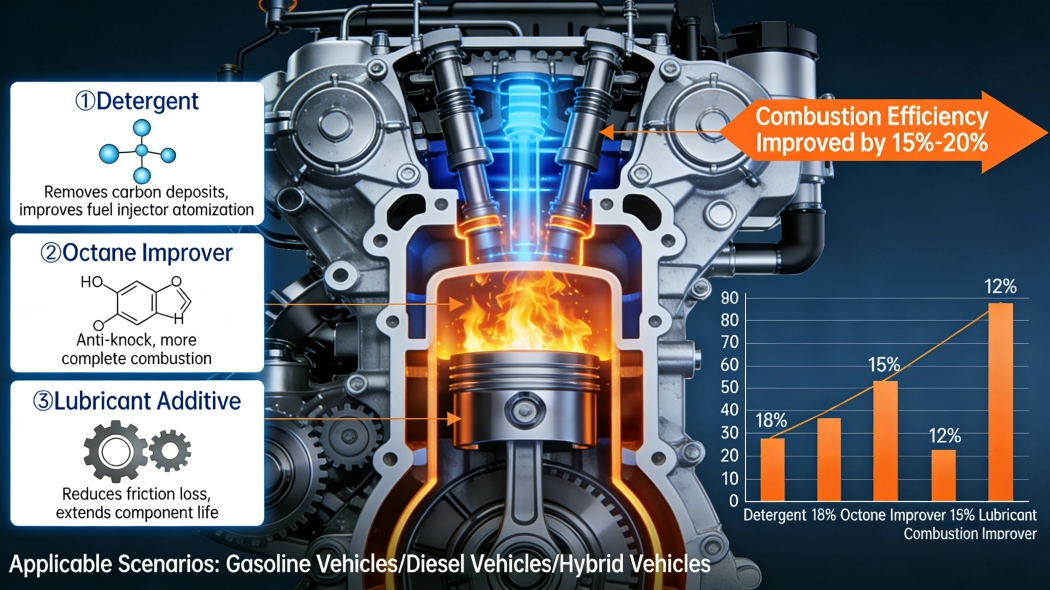
افزودنیهای سوخت اکسیژندار: بهبود مکانیسم احتراق کامل: چگونه اتانول و ۱-بوتanol دسترسی به اکسیژن را افزایش داده و انتشار CO/HC را کاهش میدهند. هر دو اتانول (C2H5OH) و ۱-بوتanol (C4H9OH) حاوی اکسیژن در ساختار مولکولی خود هستند، یعنی این ترکیبات...
مشاهده بیشتر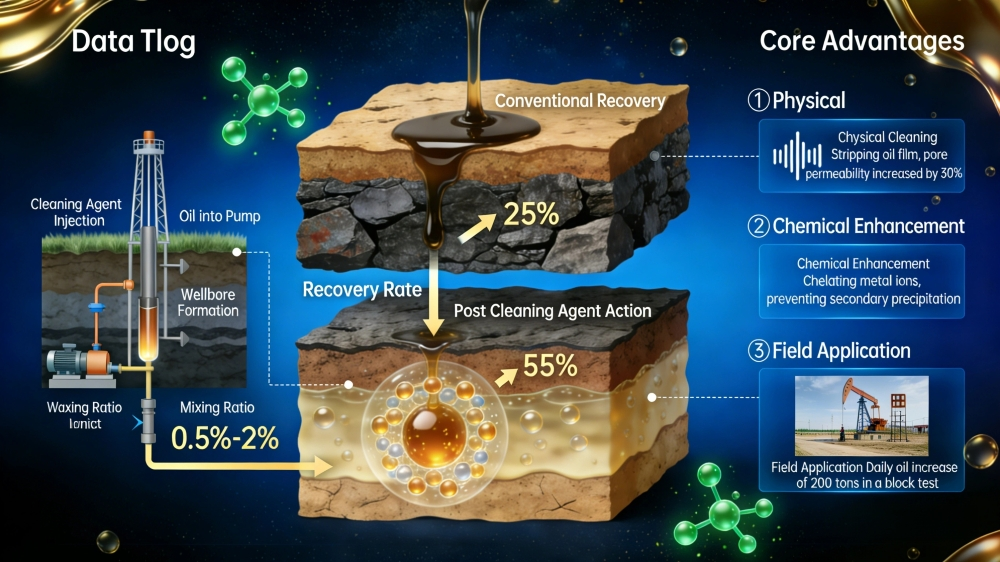
چرا انتخاب عامل تمیزکننده بهطور مستقیم بر نرخ بازیابی نفت خام تأثیر میگذارد کاهش کشش بینسطحی و تغییر ترشوندگی: مکانیسمهای اصلی جهت آزادسازی نفت باقیمانده عوامل تمیزکننده اثر خود را بر روی نفت خام چسبیده از طریق دو فرآیند اصلی اعمال میکنند...
مشاهده بیشتر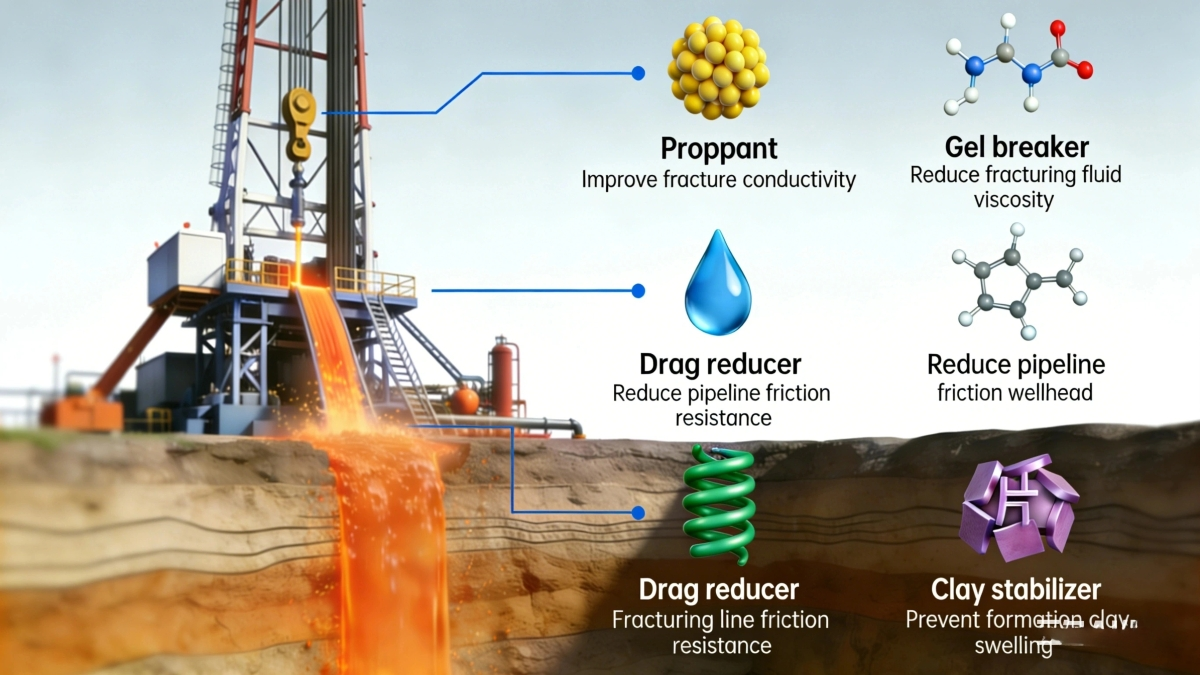
عملکرد اصلی افزودنیهای شکست هیدرولیکی و تحریک: کنترل رئولوژی و بهبود کارایی انتقال: ضد پف، کاهنده اصطکاک و اسیدها. افزودنیهای مورد استفاده در فرآیند شکست هیدرولیکی و تحریک به تنظیم نحوه جریان سیال کمک میکنند تا مواد پوششدهنده بتوانند از طریق آن حرکت کنند و...
مشاهده بیشتر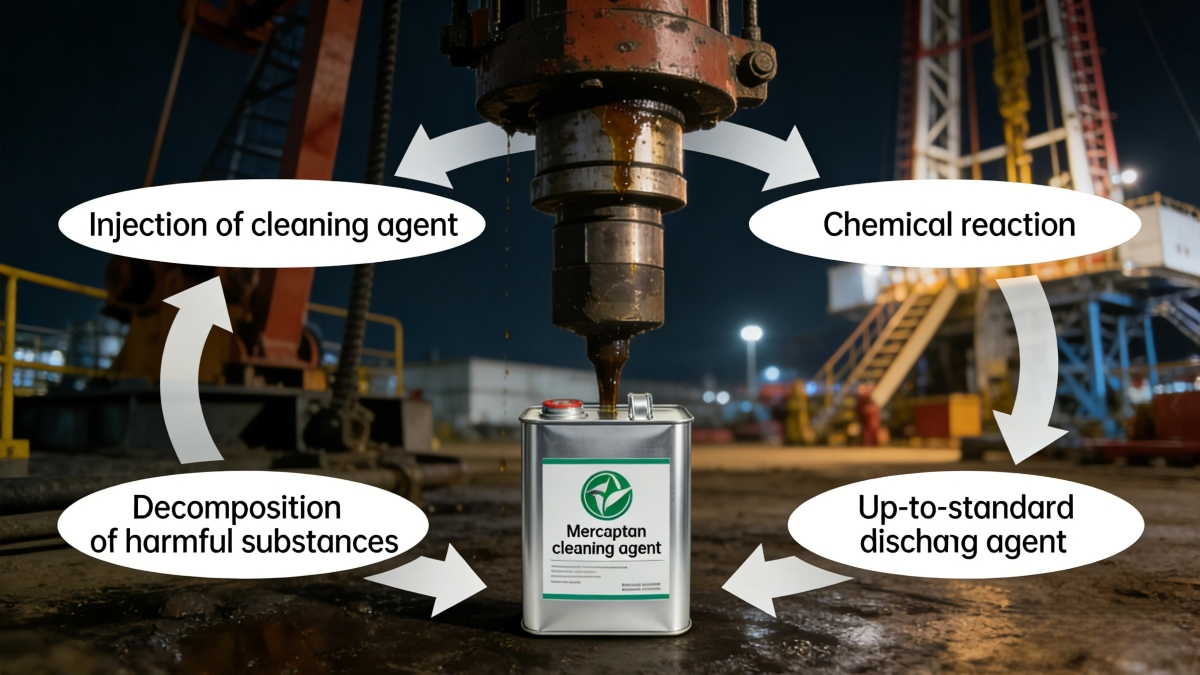
چرا روشهای متداول حذف H2S در برابر مرکاپتانها ناکارآمد هستند؟ رفتار شیمیایی متفاوت: H2S در مقابل مرکاپتانها در جریانهای هیدروکربنی. سولفید هیدروژن (H2S) مانند یک اسید قوی عمل میکند و تمایل به تجزیه آسان دارد، که این امر امکان استفاده از عوامل دفعکننده متداول را فراهم میکند...
مشاهده بیشتر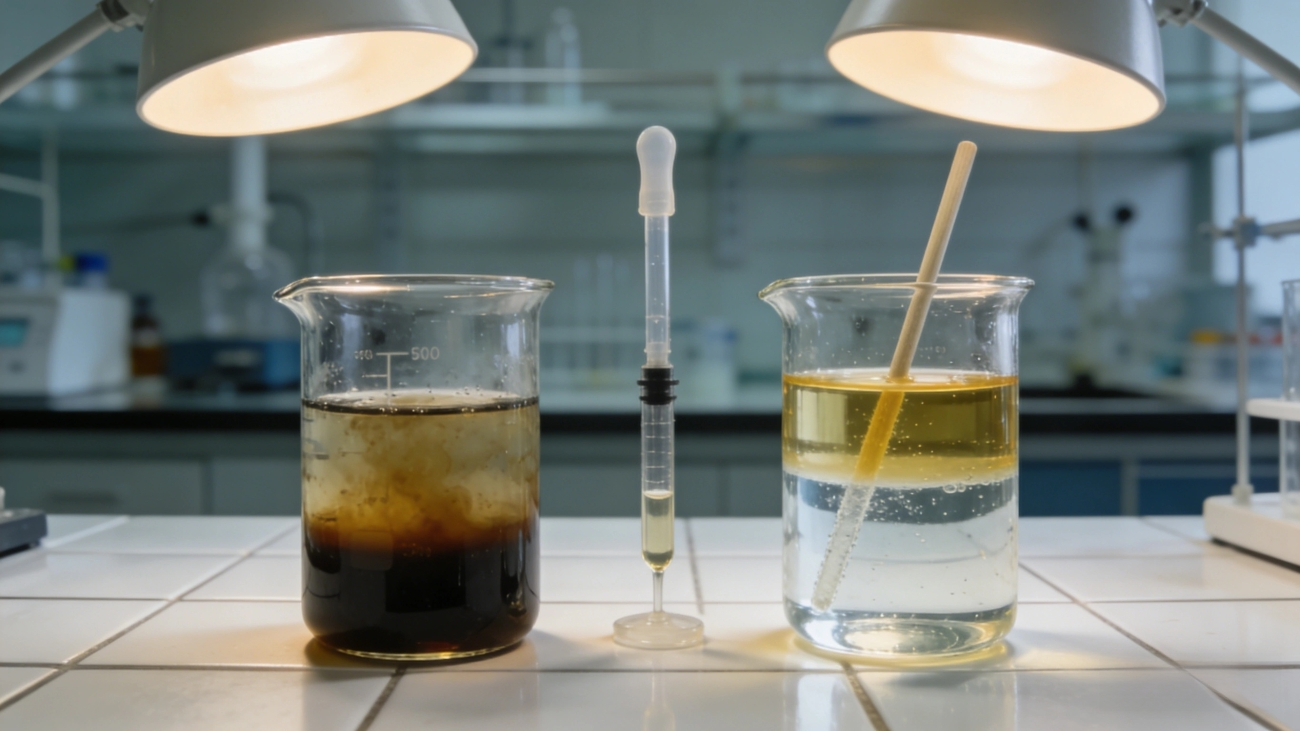
چرا نفت خام امولسیونهای پایدار تشکیل میدهد و عامل مؤثر در عملکرد یک امولسیفایر چیست؟ امولسیفایرهای طبیعی در نفت خام: آسفالتنها، رزینها و اسیدهای نفتالنیک نفت خام طبیعی در واقع دارای برخی مواد ذاتی است که به ترکیب آن با آب کمک میکنند. این مواد شامل t...
مشاهده بیشتر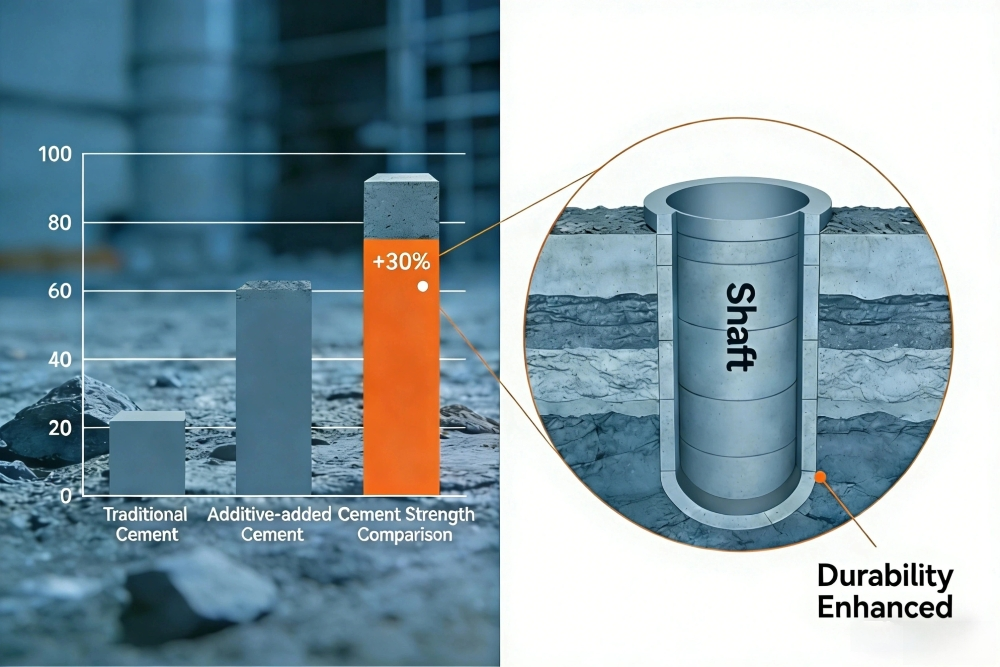
افزودنیهای سیمانی پوزولانی: ایجاد استحکام و تراکم بلندمدت. نحوه تشکیل C-S-H و کاهش نفوذپذیری توسط واکنشهای ثانویه پوزولانی با دوده سیلیسی، خاکستر بادی و سرباره. هنگامی که موادی مانند دوده سیلیسی...
مشاهده بیشتر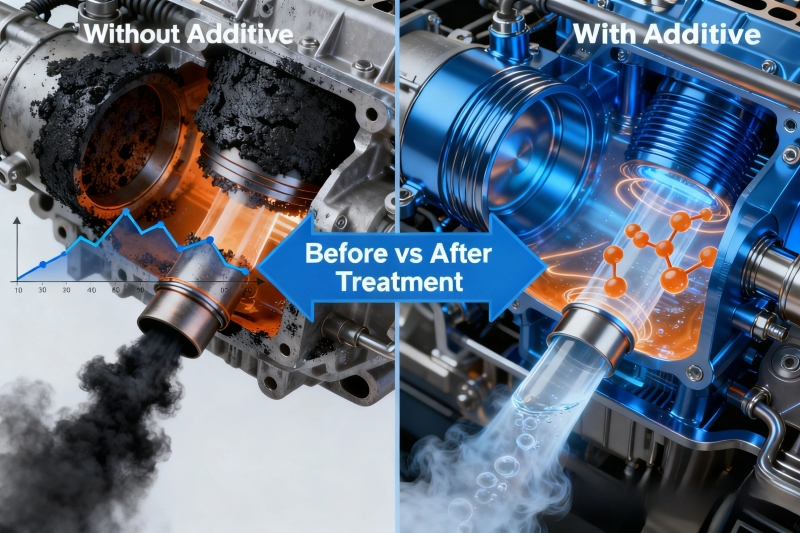
چگونه افزودنی های سوخت برای کاهش انتشارات کار می کنند مسیرهای شیمیایی: افزودنی های اکسیژن دار، بهبود دهنده ستان و کاتالیز کننده که شیمی سوخت را تغییر می دهند افزودنی های سوخت با تغییر نحوه سوخت سوخت در سطح مولکولی جادوی خود را انجام می دهند. ...ايناتول رو بردار
مشاهده بیشتر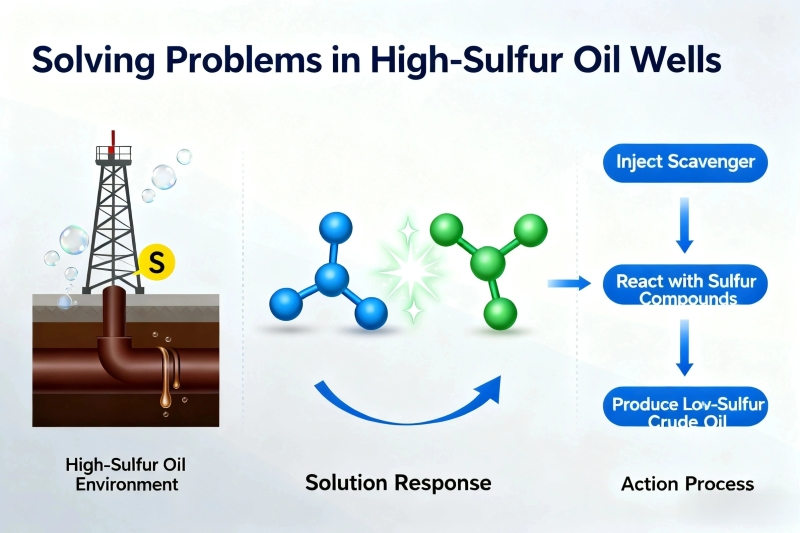
چگالی و کنترل فشار هیدرواستاتیکی برای پایداری چاه حفاری چگونه وزن گل در برابر فشارهای بالای سازند در چاههای عمیق مقاومت میکند چگالی سیال حفاری نقش اصلی در ایجاد فشار هیدرواستاتیکی را دارد که باید از فشار موجود در ... بالاتر باشد
مشاهده بیشتر
لانزو چیم در افزودنی های شیمیایی میدان نفت برای حفاری، شکستن و بهبود استخراج نفت تخصص دارد. عرضه کننده قابل اعتماد با 40 سال تجربه در افزودنی های سوخت، تصفیه آب و پوشش های صنعتی. R&D با گواهينامه ISO، حمل و نقل جهانی به آفریقا، خاورميانه و آسیا
اتاق 1001-1002، بنا شماره 7، محله تیانژو، خیابان ماوشانتOU شماره 99، منطقه جدید بالیهو، شهر جیوجیانگ، استان جیانگشی
کپیرایت © 2025 شرکت فناوری مواد نو JIUJIANG LANZO. همه حقوق محفوظ است. سیاست حفظ حریم خصوصی
 EN
EN