
 EN
EN
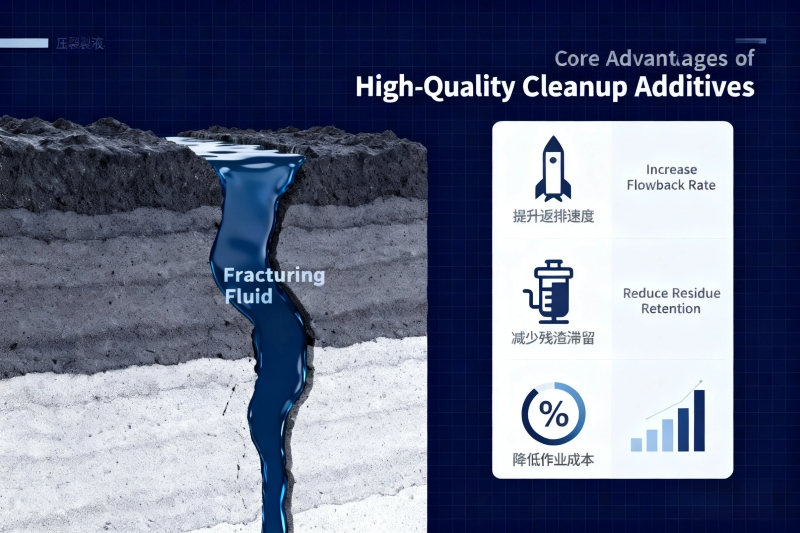
How Drainage Aids Improve Fracturing Fluid Mobility and Flowback
Reducing Surface Tension to Enhance Fluid Recovery in Tight Formations
Drainage aids work by making fracturing fluids move better through rock formations because they cut down on surface and interfacial tension. This matters a lot in tight formations where capillary forces basically stop the fluid from moving properly. When these additives change how wettable the formation becomes and reduce the energy needed for the fracturing fluid to interact with the rock, they help get those stuck liquids moving again during the flowback process. For unconventional reservoirs, even small drops in interfacial tension make a big difference in recovery rates. Research indicates that when engineers fine tune their formulations, some operations have managed to recover as much as 56% of the fracturing fluid in those tough low permeability gas fields.
Optimizing Drainage Aid Concentration for Maximum Flowback Efficiency
Getting good results from drainage additives really depends on getting the concentration just right. The goal is to lower surface tension enough to work well but not so much that it creates emulsions or starts costing too much money. When the dose isn't quite enough, trapped fluids just stay put. But go too far with the additive and things get worse because the phases don't separate properly plus chemicals end up being wasted. Looking at real world data shows something interesting though. Properly adjusted concentrations can actually improve flowback efficiency by around 40% or more. And this works best when the formulation matches what's happening downhole. Factors like salt content, how hot it is underground, and what kind of fluids are present all matter a lot for finding that sweet spot between effectiveness and economy.
Innovations in Nano-Surfactant and Ionic Liquid-Based Drainage Aids
New generation drainage aids including nano surfactants and ionic liquids are proving better than old school surfactants because they work better at interfaces and stay stable even when conditions get really harsh downhole. Take methylimidazolium chloride based ionic liquids for instance these things really cut down on surface tension problems in tight rock formations. Adding those double charged ions actually boosts how well they perform, and extending the carbon chains makes them reduce interfacial tension even more effectively. What we're seeing here is chemistry that can move fluids around precisely where needed, something that matters a lot in complicated pore structures where regular additives just don't cut it.
Increasing Fracturing Fluid Recovery Rates and Operational Performance
Overcoming Low Flowback Challenges in Tight Gas Reservoirs
The problem of low flowback rates in tight gas reservoirs mostly comes down to those pesky high capillary pressures that basically trap fluids inside those tiny nano-scale pores. That's where drainage aids come into play. These chemicals work by cutting down on interfacial tension between different substances and changing how wettable the rock formations become, moving them closer to being water-friendly or at least neutral. This makes it easier for trapped fluids to escape since they're no longer held back so strongly by capillary forces. When companies don't use these special chemicals effectively, recovery rates drop below 40% of what was originally injected, which obviously hurts both production levels and profitability. Getting the right kind of drainage aid selection is pretty much a must do if operators want to get their money's worth from these unconventional reservoirs and keep operations running smoothly without constant financial headaches.
Field Evidence: 40% Improvement in Flowback Using Advanced Drainage Additives
In actual field operations, we've seen that when using these specially formulated surfactant drainage additives, flowback recovery rates jump around 35-40% over what's typically achieved with regular treatments. What makes this work so well is that these additives help push out almost all the fracturing fluids trapped in those complex fracture networks. This means less damage to the rock formations and better long term conductivity for getting oil and gas flowing properly. From an operational standpoint, there are several advantages worth noting. Cleanup takes less time overall, companies spend significantly less on managing and disposing of produced water, and most importantly, wells start producing at sustainable levels much sooner after completion than they would otherwise.
Real-Time Monitoring for Dynamic Recovery Optimization
Today's operations rely heavily on real time monitoring systems which allow for adjustments to drainage aid performance as flowback happens. The sensors are constantly watching flowback rates, what's actually in the fluids coming back, and how pressure changes over time. All this information lets engineers tweak the amount of chemicals being injected into the system based on what they see happening right now. When we combine measurements taken deep underground with those at the surface level, it creates something like a continuous feedback mechanism. This helps make sure additives work best possible during the entire recovery period. And speaking practically, this kind of adaptable strategy really makes a difference. Not only does it boost performance when first getting fluids out, but it also keeps wells productive for much longer periods than traditional methods.
Restoring Formation Permeability Through Effective Fluid Removal
Eliminating Residual Fluid Blockage to Regain Natural Permeability
Leftover fracturing fluids often block pores and create liquid barriers around the well area, which really limits how easily fluids can move through the rock. Drainage agents help fix this problem by lowering surface tension between different substances and breaking apart those stubborn fluid layers stuck inside the formation. What happens then? The trapped liquids start to let go and make their way back toward the well. For shale rocks specifically, these capillary forces hold onto about 40 percent of what gets pumped in during operations. That's why good drainage methods matter so much they not only bring back some of the original flow characteristics but also reduce damage to the formation itself over time.
Core Flood Experiments Validating Permeability Recovery with Surfactants
Studies involving core floods on shale samples show that surfactant based drainage aids can actually bring back formation permeability. When properly formulated, these treatments manage to restore around 90-95% of what was originally there after just two days. They work mainly by lowering those pesky capillary pressures and cutting down on residual saturation issues. The research looks at several important factors including changes in relative permeability and how well fluids get displaced from rock pores. What stands out most is how these new additive solutions beat traditional approaches hands down, particularly when dealing with formations that have extremely low permeability. Regular flowback techniques just don't cut it in these situations, making the right chemical treatment absolutely essential for effective recovery operations.
Synergy Between Drainage Aids and Natural Fracture Networks
Drainage aids tend to perform best when they can interact with the natural fractures already present in the formation. These additives actually move preferentially towards the interface between fractures and the surrounding matrix rock where fluids get trapped. By doing this, they create better paths for fluids to escape from these trap spots. What makes them so effective is their ability to work well chemically with the minerals found in the formation itself. This means they spread out evenly throughout the area and stay in contact with the trapped fluids for longer periods. When all these factors come together, we see better recovery rates without damaging the rock structure. The result? More hydrocarbons are mobilized and wells tend to produce consistently over much longer periods than traditional methods would allow.
Environmental and Economic Advantages of Sustainable Drainage Aids
Meeting Environmental Regulations with Eco-Friendly Fracturing Additives
Green drainage solutions typically contain biodegradable surfactants along with non toxic ionic liquids which help them pass tough environmental tests. These products make it easier for companies to follow rules like the EU Water Framework Directive since they reduce harm to ecosystems and stop pollutants from seeping into groundwater supplies. Research from Science of the Total Environment back in 2022 showed something interesting too eco friendly options actually perform better than regular chemical additives when looking at both environmental impact and how well they work socially speaking. What makes these alternatives so appealing is that they don't compromise on effectiveness while still being kinder to our planet.
Balancing Drainage Aid Efficiency with Environmental Compliance
Getting good flowback results means finding the right mix that cuts down on surface tension between fluids but still meets environmental standards. New green additives do this trick pretty well because they contain nano surfactants without dangerous stuff, which is why they work great in places where nature matters most. When putting these into practice, field workers need to check several things first. How fast will these additives break down naturally? What are the rules in their specific area regarding chemical limits? And how much should go into each batch? These questions matter a lot since regulations keep changing all the time, and nobody wants to face fines or project delays because something slipped through the cracks during planning.
Cost-Effectiveness of Long-Term Drainage Aid Use in Well Productivity
Sustainable drainage systems might seem expensive at first glance, but they actually save money over time. Better flowback means getting more oil out of the ground, and fewer environmental problems means avoiding those costly lawsuits and fines from regulators. Some field tests indicate that companies can slash their water management bills by around half when they reuse more of what comes back instead of throwing it all away. Think about it this way: wells last longer, production stays strong, and operators aren't constantly fighting battles with environmental agencies. For many oil producers, switching to these greener methods isn't just good for the planet anymore it's becoming essential for staying competitive in today's market where investors care as much about sustainability as they do about profits.
FAQ
What are drainage aids in fracturing fluid mobility?
Drainage aids are chemical additives used in fracturing processes to improve the mobility of fracturing fluids within rock formations, reducing surface and interfacial tension and enhancing fluid recovery.
Why is surface tension reduction important in tight formations?
Reducing surface tension in tight formations helps overcome capillary forces that trap fluids, enabling better fluid movement and recovery during flowback.
How do drainage aids optimize fracturing fluid recovery?
Drainage aids optimize fracturing fluid recovery by adjusting the concentration to lower surface tension without creating emulsions. This leads to improved flowback efficiency and better recovery rates.
What innovations are present in nano-surfactant and ionic liquid-based drainage aids?
Innovations like nano-surfactants and ionic liquids offer better stability and performance in harsh downhole conditions, significantly reducing surface tension problems in tight rock formations.
How do green drainage solutions comply with environmental regulations?
Green drainage solutions contain biodegradable surfactants and non-toxic ionic liquids, reducing environmental impact and helping companies comply with regulations such as the EU Water Framework Directive.
Table of Contents
- How Drainage Aids Improve Fracturing Fluid Mobility and Flowback
- Increasing Fracturing Fluid Recovery Rates and Operational Performance
- Restoring Formation Permeability Through Effective Fluid Removal
- Environmental and Economic Advantages of Sustainable Drainage Aids
-
FAQ
- What are drainage aids in fracturing fluid mobility?
- Why is surface tension reduction important in tight formations?
- How do drainage aids optimize fracturing fluid recovery?
- What innovations are present in nano-surfactant and ionic liquid-based drainage aids?
- How do green drainage solutions comply with environmental regulations?