
 EN
EN
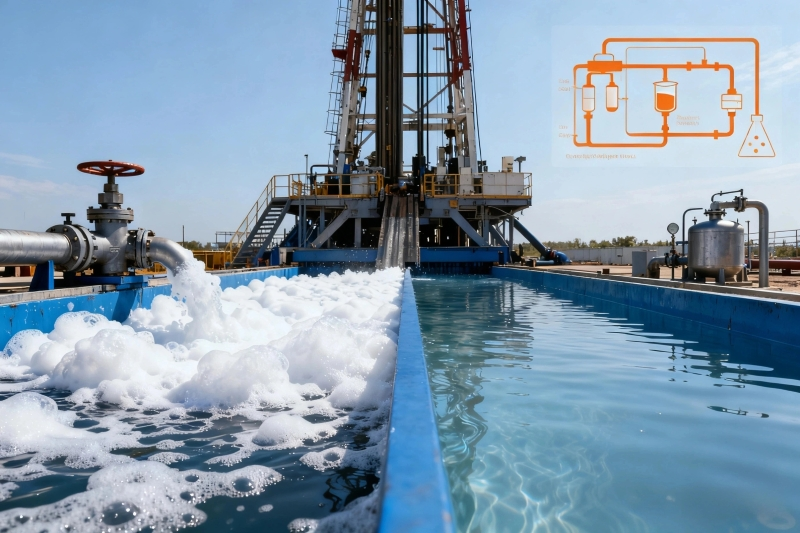
Understanding Foam Formation and Its Impact in Chemical Processes
Common operational issues caused by foam: pump cavitation, sensor interference, and overflow
Foam problems in chemical processing plants are a real headache for operators, causing all sorts of headaches from pump cavitation to inaccurate sensor readings and dangerous overflows. When air gets trapped in the foam, it basically thins out the liquid, which makes pumps work harder and sometimes breaks down completely. The foam layer sitting on top messes with those level gauges and density meters too, giving false data that throws off the whole operation. And let's not forget about overflows - these aren't just messy situations. They represent serious safety hazards, environmental concerns, and costly product losses, especially in big reactors or storage tanks where things can get out of hand fast. According to industry reports, around 15 to 20 percent of unexpected shutdowns at chemical facilities come down to foam issues. That's why smart plant managers invest in good quality defoamers tailored specifically for their processes rather than trying random solutions when problems arise.
Key factors promoting foam: agitation, surfactants, temperature, and pH
When we talk about foam formation, it all starts with mechanical agitation that gets air mixed into liquids, creating those pesky bubbles everyone hates. What keeps these bubbles around? Surfactants play a big role here by lowering surface tension and strengthening the thin layer between liquid and gas. Temperature matters too for how long foam lasts. Most of the time, when things heat up, viscosity drops along with surface tension, so foams tend to break down faster. But there are exceptions where warmer temps actually help maintain foam structure. The acidity level (pH) also makes a difference since it changes how charged particles in solution interact, affecting whether they form stable films or not. Getting this whole picture right helps manufacturers pick the best defoamer for their particular setup, ensuring they tackle foam problems effectively without wasting resources on ineffective solutions.
How foam reduces production efficiency and compromises product quality
When foam builds up during production, operators have no choice but to slow things down just to handle all that froth. This slowdown means less output overall while expenses go up because machines aren't running at full capacity. The problem gets worse when trying to mix ingredients evenly or maintain consistent reactions throughout batches. Product quality starts fluctuating as a result. Foam also creates headaches in separation steps such as distillation or extraction processes where it leads to contamination issues and poor separation between different phases. Plants dealing with persistent foaming problems often face unexpected shutdowns too. These interruptions require constant cleaning and maintenance work that takes valuable time away from regular operations. Getting good control over foam through the right defoamer selection isn't just important it's absolutely necessary if companies want to keep their products reliable and their operations running smoothly day after day.
How Defoamers Work: Mechanisms of Foam Suppression
Defoaming agents and their role in breaking foam structure
Defoaming agents work against foam in basically three ways. First they lower the tension where air meets liquid surfaces. Then these agents actually get into those bubbles and break their thin walls apart. They also mess with the special surfactant structures that hold foam together. The hydrophobic parts of defoamers move fast over bubble surfaces, forming weak points that cause the whole thing to fall apart pretty much right away. Industry data indicates good quality defoamers cut down on foam volumes somewhere around 90% or so within just a few seconds. This makes them absolutely essential for keeping chemical processes running smoothly without interruptions from unwanted foam buildup.
Antifoaming vs. defoaming: understanding the difference
People tend to mix up antifoaming and defoaming, but they actually serve different purposes. Defoamers basically get rid of foam that's already there by breaking those bubbles fast. Think of them as cleanup crew members showing up after the mess happens. Antifoams take a different approach altogether. They stop foam from forming in the first place, usually by changing how the liquid behaves at its surface before anyone even starts stirring things up. The main difference comes down to when these products work their magic. Defoamers jump in once foam appears, whereas antifoams are all about stopping problems before they start. Choosing between them really boils down to what problem needs solving right now versus what might go wrong later on.
Disrupting surface tension: how defoamers destabilize foam bubbles
When it comes to breaking down foam, defoamers work their magic by bringing in components with lower surface tension. These ingredients spread out over the surface of bubbles, messing with the balance of forces that keep those bubbles intact. What happens next is pretty interesting - the hydrophobic particles actually move toward where air meets liquid, disrupting the sticky forces that hold everything together until the whole thing bursts apart. Since these defoamers naturally have less surface tension compared to whatever's creating the foam, they can get right into those bubble walls and tear them apart from within. Looking at how all this works scientifically shows us why speed matters so much for effectiveness, along with making sure the defoamer plays nice with whatever fluid it needs to mix into during processing.
Types of Defoamers and Their Performance in Industrial Applications
Common defoamer types: oil-based, silicone-based, water-based, EO/PO, powdered, and polymer-based
There are basically six different kinds of defoamers commonly found in various industrial settings, each one better for certain jobs than others. Let's start with oil based ones. These typically contain things like mineral or vegetable oils mixed with stuff that repels water such as wax or silica particles. They work pretty well for controlling bubbles in things like paper pulp processing and treating waste water without breaking the bank. Then we have silicone based defoamers which include PDMS along with hydrophobic silica. What makes these special is how effective they can be even when added in small amounts around 1% generally speaking. That's why they show up so much in products ranging from paint to food processing equipment. Water based options are becoming increasingly popular too because they're greener alternatives that spread out nicely in liquid systems where safety matters most especially those involving food contact surfaces. The EO/PO copolymer type works great for metal working fluids and certain coatings thanks to how they mix into existing materials. For dry mixes like laundry detergent or concrete mixtures, powdered defoamers make sense since they carry their active components on silica bases. Lastly there are polymer based defoamers such as alkyl polyacrylates that hold up against intense mixing forces making them favorites in adhesive production and other delicate formulation processes where stability counts.
Performance, limitations, and stability of different defoamer chemistries
Different types of defoamers come with their own pros and cons. Take silicone based ones for instance they work great under heat and last longer than most alternatives, yet sometimes create problems on surfaces when used in coatings because they don't always mix well. Then there's oil based defoamers which cost less money upfront and tackle stubborn foam effectively, although they tend to leave behind residue that can mess up delicate equipment in some industries. Water based versions are better for safety reasons and environmental impact overall, though manufacturers usually need to apply them in larger amounts since they don't stick around as long. The EO PO copolymer stuff finds a middle ground between effectiveness and working with other materials, but watch out if things get really acidic or alkaline since these compounds start breaking down fast. Polymer based products handle physical stresses pretty well, but getting them right takes extra attention from formulators who must ensure nothing reacts badly together. Lastly powdered defoamers might seem convenient at first glance because they're easy to store and transport, however getting them properly mixed into liquids remains a challenge many plants still struggle with daily.
Silicone-based vs. polymer-based defoamers in high-temperature and sensitive processes
When temperatures climb past 150 degrees Celsius, which happens regularly inside chemical reactors and boiler systems, silicone based defoamers tend to work better than almost anything else on the market because they can handle heat so well. The downside? These same properties make them problematic for certain applications. Their aggressive surface action often leaves behind residue that messes up delicate processes like paint application, coating operations, or even semiconductor fabrication lines where purity matters most. For situations where silicone just won't cut it, polymer based options like alkyl polyacrylates become the go to choice. They play nicely with existing materials and don't leave unwanted traces behind. Still, these polymers usually need warmer conditions to function properly, generally performing best when temps stay above 60 degrees Celsius. Industry data shows silicone defoamers give around 30 percent better results at lower concentrations compared to alternatives, but this comes at a cost. Many manufacturers avoid them altogether in systems where water mixing is involved or where product appearance needs to be spotless from start to finish.
Selecting the Right Defoamer: Key Criteria for Optimal Performance
Critical selection factors: compatibility, pH, temperature, and regulatory compliance
Picking the correct defoamer means looking at several factors including how it interacts chemically, what the system's pH level is, the temperatures involved during operation, and any regulations that apply. When things don't mix well together, problems happen like cloudy appearance, layers forming in the mixture, or just plain ineffective results. Most defoamers work best when the pH stays between about 4 and 9, and they handle heat reasonably well too. But watch out because some products stop working properly once temperatures go past 80 degrees Celsius or when exposed to very strong acids or alkalis. For industries dealing with food products, medicines, or environments where ecological impact matters, meeting standards set by organizations like FDA or REACH becomes absolutely necessary. According to recent studies published in Chemical Processing Journal last year, around two thirds of all issues with defoamers come down to either bad chemical matching or failing to meet required regulations. That's why taking time to thoroughly check these aspects makes such a big difference in getting good results.
Dosage, dispersion, and timing: balancing effectiveness and side effects
Getting the right amount of defoamer makes all the difference for controlling foam without causing problems. If there's not enough, the foam just keeps coming. Too much? That means higher expenses and potential quality issues down the line. For most water-based systems, around 0.1 to 0.5 percent works well, though some really foamy operations might need closer to 1%. Mixing matters a lot too. When it's not properly distributed throughout the system, performance drops off dramatically. Timing counts as well. Putting the defoamer in at the beginning stops foam from forming in the first place. Wait until later stages and suddenly we're talking about needing two or three times as much product to get the same results. That drives up costs again and creates bigger chances for contamination problems.
Avoiding surface defects: addressing the silicone-based defoamer controversy
Silicone defoamers work great at eliminating bubbles but come with some downsides. They tend to leave behind surface problems like fish eyes, craters, or that orange peel look on coatings because tiny silicone droplets migrate to the top layer during application. These kinds of defects really matter when appearance counts. For products where surface quality is everything, polymer based options offer similar bubble control without creating those ugly marks. That makes them the go to choice for premium finishes. Still worth noting though, silicones have their place too. In industrial settings where looks don't matter as much but heat resistance and long lasting performance do, traditional silicone defoamers still shine. Ultimately what matters most is how sensitive the end product needs to be to surface imperfections.
Ensuring compatibility with other additives and process materials
For defoamers to work properly, they need to play nice with all the other stuff in the formulation mix including surfactants, thickeners, biocides, and those colorful pigments we add. When things don't get along, bad stuff happens. The additives just aren't as effective anymore, solutions might turn cloudy looking, or worse yet, stuff starts settling out of solution. To check if everything works together, most manufacturers run compatibility tests right in their actual processing environment. They mix the defoamer with all the other ingredients and watch closely for any signs of trouble like layers forming, strange haziness appearing, or when the product just doesn't perform as expected. Doing these tests ahead of time saves headaches down the line and keeps production running smoothly without unexpected problems popping up during critical operations.
Best Practices for Defoamer Application in Chemical Processing
Optimal dosing strategies and addition timing to prevent foam formation
Getting good foam control going usually begins with getting the right amount of defoamer into the mix at just the right time. The best approach is to put in defoamer while things are still calm during those early mixing or feeding phases rather than waiting until bubbles start appearing everywhere. When dealing with continuous processes, most plants rely on automatic dosing systems that adjust according to what's happening in real time such as how fast things are being stirred or what temperature readings show up. Batch work requires putting defoamer in right from the get go so foaming doesn't build up over time. This not only keeps operations running smoothly but actually cuts down on how much chemical needs to be used overall across different production runs.
Methods of application: premixing vs. direct addition
There are basically two ways to apply defoamers: either mix them first or add them directly. When premixing, we usually dilute the stuff in water or another solvent that works well together. This helps spread it out better throughout the mixture and prevents those annoying spots where too much ends up concentrated, which matters a lot when dealing with thick or oily materials. For direct addition, just inject the pure defoamer right into the system. This approach works great in situations where there's already a lot of movement or heat because the stuff tends to spread on its own pretty quickly. Choosing between these methods really depends on what kind of defoamer we're using, how the system behaves under different conditions, and whether our mixing equipment can handle it properly without creating problems down the line.
Common mistakes: late addition, poor dispersion, and chemical incompatibility
Adding defoamer too late, after the foam has already formed, just doesn't work as well and ends up costing more in the long run because operators need to apply larger amounts. When there's not enough mixing during application, the defoamer doesn't spread properly throughout the system which causes inconsistent results and sometimes even stops production completely. Another big issue comes from using the wrong type of defoamer altogether. For instance, putting silicone based products into certain coating applications can ruin the final product appearance and actually wear down machinery over time. Getting these basics right makes all the difference for smooth running processes and keeping finished goods looking good on store shelves or at customer sites.
Case Study: Reducing foam in a pulp & paper manufacturing line with targeted defoamer use
One pulp and paper company had been struggling with persistent foam problems that were eating away at their bottom line, resulting in about 15% lost production time plus constant headaches from pump cavitation issues. When they made the switch to a polymer based defoamer and started using automated dosing right at the pulping stage, things changed dramatically. Foam related downtime plummeted around 80%, which was a huge relief for everyone involved. What's interesting is how they actually premixed the defoamer first to get better distribution throughout the process, then introduced it before problems even started happening instead of waiting until after foam appeared. Beyond just fixing the foam issue, this approach led to much more consistent product quality across batches while cutting down on chemical consumption by roughly 30% when compared against their old silicone based solutions that weren't as effective long term.
FAQ
What are the main causes of foam in chemical processes?
Foam in chemical processes is primarily caused by mechanical agitation, surfactant presence, temperature changes, and pH variations. These factors contribute to the formation and stability of foam bubbles.
How do defoamers work to suppress foam?
Defoamers suppress foam by lowering surface tension, breaking bubble walls, and disrupting surfactant structures within the foam. This leads to quick breakdown and reduction of foam volume.
What is the difference between antifoaming and defoaming agents?
Antifoaming agents prevent foam formation, while defoaming agents eliminate existing foam. Antifoams act before foaming starts, whereas defoamers address foam after it appears.
How can consistent defoamer performance be ensured?
Ensure consistent defoamer performance by considering compatibility, pH, temperature, and regulatory compliance during selection, and applying the proper dosage and dispersion techniques.
Why are silicone-based defoamers controversial?
Silicone-based defoamers can cause surface defects like fish eyes and craters due to migrating silicone droplets during application, which is problematic for products where appearance is crucial.
Table of Contents
- Understanding Foam Formation and Its Impact in Chemical Processes
- How Defoamers Work: Mechanisms of Foam Suppression
- Types of Defoamers and Their Performance in Industrial Applications
-
Selecting the Right Defoamer: Key Criteria for Optimal Performance
- Critical selection factors: compatibility, pH, temperature, and regulatory compliance
- Dosage, dispersion, and timing: balancing effectiveness and side effects
- Avoiding surface defects: addressing the silicone-based defoamer controversy
- Ensuring compatibility with other additives and process materials
- Best Practices for Defoamer Application in Chemical Processing