Welcome to JiuJiang LANZO New Materials Technology Co., Ltd.


- Home
- Products
- About Us
- Customized Process
- Applications/Solution
- News
- Contact Us
Leave Your Message
Welcome to JiuJiang LANZO New Materials Technology Co., Ltd.
Engineered specifically for high compatibility in aqueous matrices, offering immediate bioavailability, stable polysulfide chains, and optimized molecular dispersion.
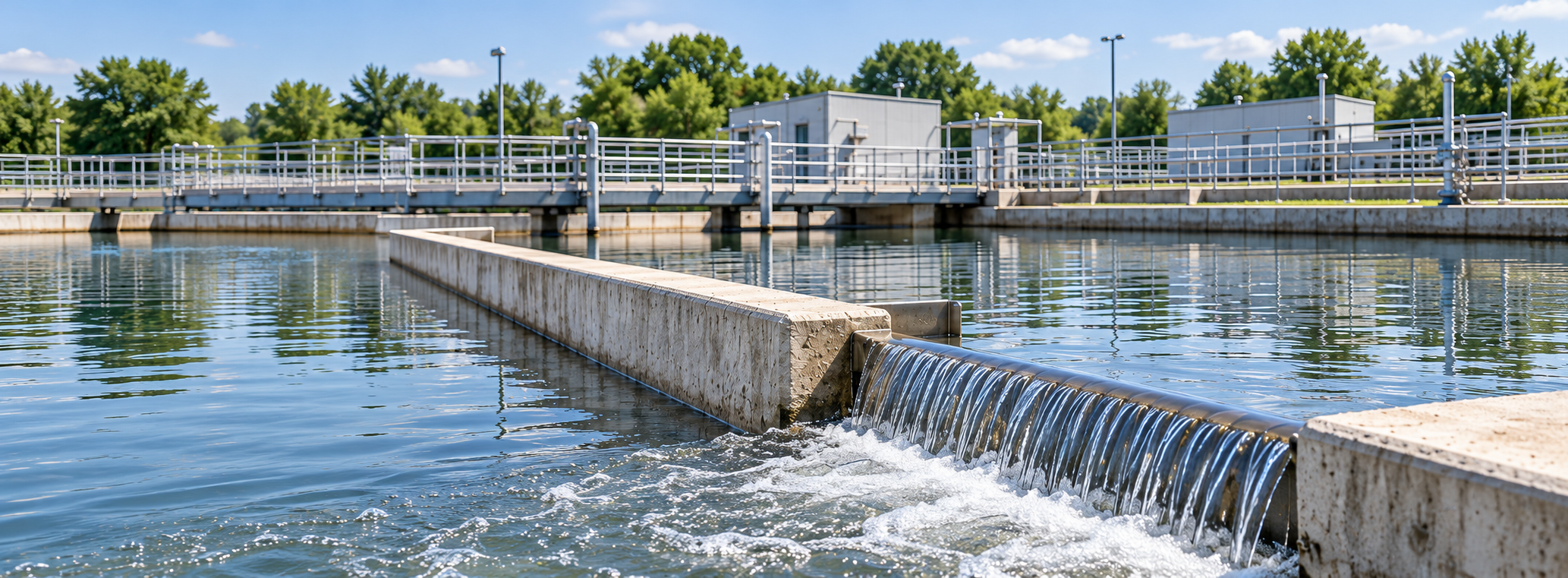
High-potency sulfur-chelated coagulant agent tailored for instantaneous heavy metal scavenging, toxic anion precipitation, and industrial effluent clarification.
Explore Formulation →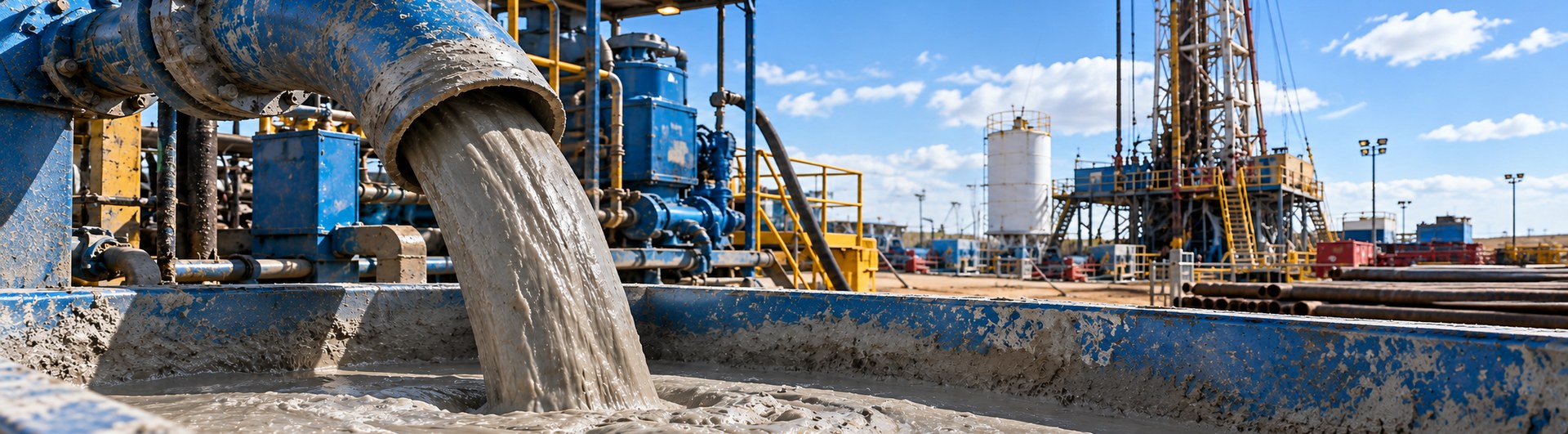
Advanced sulfonated polycarboxylate superplasticizer formulated for extreme water reduction, rheological slump retention, and dense hydration matrices.
Explore Formulation →
Micro-encapsulated sulfur liquid dispersion engineered for seamless integration into industrial biocide synthesis and polymer vulcanization.
Explore Formulation →
Next-generation sulfur-stabilized surfactant copolymer offering steric hindrance and fluidizing control in aggressive mineral slurries.
Explore Formulation →Bridging traditional sulfur chemistry with precision aqueous nanotechnology to overcome insoluble sulfur limitations in bulk chemical processing.
Elemental sulfur possesses pronounced hydrophobicity. Proprietary functionalization, sulfonation, and colloidal micelle engineering unlock 100% aqueous phase dispersibility without organic co-solvents.
Sub-micron particles and hydrophilic polar groups dramatically accelerate reaction rates, lowering activation energy requirements in downstream rubber vulcanization and synthesis.
Compliant with stringent global ESG and REACH chemical guidelines, our water-soluble sulfur formulations eliminate the need for aromatic solvent carriers and flammable liquid bases.
Historically, elemental sulfur (S8 orthorhombic crystalline allotrope) has remained one of the most widely consumed industrial minerals worldwide, serving as the cornerstone for sulfuric acid, synthetic rubbers, and agricultural fungicides. However, conventional sulfur poses severe formulation hurdles: utter insolubility in water, high hydrophobicity, abrasive crystalline morphology, and a chronic propensity to aggregate and settle out of suspension. As the global chemical process industry accelerates its pivot toward aqueous-based green synthesis, the demand for stable, chemically bio-available water-soluble sulfur has surged at a compound annual growth rate (CAGR) surpassing 7.2%.
In high-performance industrial chemical formulation, "water-soluble sulfur" encompasses micro-emulsified polysulfides, chemically modified sulfur-donor oligomers, and hydrophilic colloidal sulfur nano-suspensions. By functionalizing sulfur with hydrophilic heads (sulfonate, hydroxyl, or carboxylate moieties) or encasing sulfur nanoparticles inside aqueous polymeric surfactants, formulators can leverage the electron-rich reactivity of polysulfide chains without phase separation or equipment fouling.
Global industrial facilities are under acute regulatory pressure to eliminate volatile organic compounds (VOCs), transition from aromatic carrier solvents to aqueous solutions, and optimize wastewater circularity under Zero Liquid Discharge (ZLD) mandates. In petrochemical refineries and heavy metal remediation facilities, traditional sulfide precipitants often generate secondary hazardous hydrogen sulfide (H2S) gas surges under slight pH fluctuations. Water-soluble sulfur complexes offer buffered, controlled-release sulfur donors that capture dissolved metals (mercury, lead, cadmium, copper) through stable poly-sulfidic coordination complexes, avoiding hazardous gas emission and reducing treatment sludge volume by up to 35%.
| Formulation Metric | Conventional Insoluble Sulfur | Engineered Water-Soluble Sulfur | Industrial Benefit |
|---|---|---|---|
| Aqueous Dispersibility | < 0.005 mg/L (Phase separation) | Complete colloidal / true solubility | No nozzle clogging or phase segregation |
| Particle Size Distribution | 10 μm – 150 μm (Coarse crystalline) | 50 nm – 800 nm (Monodisperse) | 100x higher surface area and reaction rates |
| Solvent Requirement | Requires toluene, CS2, or organic bases | Pure water / mild alkaline water | Eliminates VOCs, flash points, and explosion hazards |
| Vulcanization / Chelation Speed | Diffusion-limited slow activation | Instantaneous molecular availability | Cuts process cycle times by 20% to 45% |
Examining how water-soluble sulfur alters reaction pathways across heavy industrial manufacturing, oilfield stimulation, and specialized coatings.
In modern effluent management, industrial wastewater from semiconductor fabrication, battery gigafactories, electroplating, and coal-fired flue gas desulfurization (FGD) streams contains lethal concentrations of ionic mercury (Hg2+), hexavalent chromium (Cr6+), and chelated copper (Cu2+). Traditional hydroxide precipitation fails when complexing agents like EDTA or ammonia are present.
Formulating water-soluble sulfur compounds—specifically poly-thiol and dithiocarbamate-functionalized macromolecular sulfur derivatives—allows wastewater engineers to exploit the extreme thermodynamic affinity between sulfur ligands and transition metals. The resulting metal-sulfur coordination polymers form dense, hydrophobic flocs that drop out of solution rapidly, reducing target contaminants to below parts-per-billion (ppb) regulatory thresholds without lowering system pH or emitting noxious fumes.
The construction chemicals sector relies heavily on water-reducing superplasticizers. While conventional polycarboxylate ethers (PCE) provide excellent initial fluidity, concrete slump loss in high-temperature or long-haul scenarios remains a major problem. Integrating water-soluble sulfur chains into the polymer backbone introduces stable sulfonate (-SO3-) side anchors.
These sulfur-modified polycarboxylates provide a dual-action fluidization mechanism: robust electrostatic repulsion from ionic sulfonate terminals combined with long-lasting steric hindrance from PEG side chains. Furthermore, sulfur-enhanced water reducers exhibit heightened resistance to sulfate attack in marine and underground geotechnical structures, preventing delayed ettringite formation and extending infrastructure design life.
In oilfield chemical engineering, water-soluble sulfur serves vital functions as an extreme-pressure (EP) lubricant additive in water-based drilling muds (WBM). Under extreme downhole tribological shear and temperatures exceeding 180°C, conventional surfactants thermally degrade, leading to drill pipe seizure. Water-soluble sulfur molecules react tribochemically with the steel drill string surface, forming a self-healing iron sulfide (FeS) boundary film with low shear strength, drastically reducing torque and drag in horizontal and shale drilling wells.
Moreover, during petrochemical refinery hydrotreating and cracking unit turnarounds, water-soluble sulfur formulations act as precisely dosed sulfiding agents for cobalt-molybdenum (CoMo) and nickel-molybdenum (NiMo) catalysts. Introducing water-dispersed sulfur precursors eliminates the severe toxicity, flammability, and handling hazards associated with dimethyl disulfide (DMDS) or hydrogen sulfide gas.
Dip-molded latex products, automotive tire cord adhesives, and waterborne industrial protective coatings increasingly forbid the use of volatile organic solvents. In the crosslinking (vulcanization) of waterborne polymer dispersions, solid sulfur powders inevitably settle, leading to inhomogeneous crosslink density, surface micro-porosities, and premature mechanical failure.
Water-soluble sulfur acts as an active homogeneous vulcanizing agent. In aqueous dipping baths and water-based acrylic/epoxy hybrid primers, the dissolved sulfur species diffuse evenly throughout the continuous phase. This yields higher tensile strengths, superior elongation recovery, and barrier films with enhanced resistance to chemical oxidation, UV deterioration, and acid rain corrosion.
Outside pure industrial formulations, soluble sulfur serves as a foundational building block for ultra-concentrated suspension concentrates (SC) and water-dispersible granules (WDG). By synthesizing sulfur in water-soluble complexes, formulators achieve complete droplet wetting, systemic foliar absorption, and broad-spectrum acaricidal/fungicidal efficiency at fractionally lower dosage rates compared to conventional dusting sulfur.
Formulators integrating water-soluble sulfur into specialized chemical recipes should calibrate batch compounding according to key physicochemical criteria:
JiuJiang LANZO New Materials Technology Co., Ltd. is a dynamic and innovative chemical enterprise established in 2019 and strategically located in Jiujiang City, Jiangxi Province, China – a region well-connected to major transportation networks for efficient global logistics. We specialize in the research, development, production, and sales of high-performance chemical additives, serving a diverse range of industries including oilfield exploration, water treatment, petrochemical refining, industrial manufacturing, and coatings production.
Our product portfolio encompasses oilfield chemical additives, water treatment agents, refining and fuel additives, industrial processing aids, coating auxiliaries, and advanced new materials. Beyond our standard offerings, we pride ourselves on our ability to deliver fully customized product development solutions, tailoring chemical formulations to meet the unique specifications and performance requirements of each individual client.
Our operations and business center is headquartered in Jiujiang, Jiangxi Province. From this strategic hub, we coordinate global supply chain management, order fulfillment, and technical support across our four core businesses—oilfield chemicals, water treatment, fuel, and industrial coatings.
With convenient access to major transportation networks, we ensure efficient, reliable delivery to customers worldwide. Our operational philosophy integrates smart digital supply tracking, real-time inventory management, and tailored regulatory export documentation for our global distribution partners.
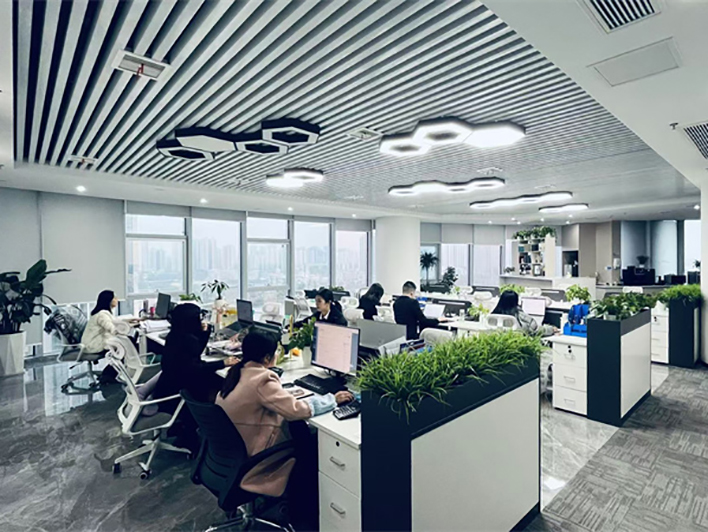
Our R&D and quality control laboratories are located in Jiangxi and Shandong provinces. Equipped with advanced testing instruments and staffed by experienced technical teams, our labs are capable of formulating and custom-developing products to meet diverse customer requirements.
From raw material evaluation to finished product performance verification, every stage of laboratory testing and analysis is carried out with scientific rigor and precision. Our specialized researchers actively formulate next-generation sulfur compounds, concrete water reducers, and wastewater clarifying agents tailored to specific water hardness, salinity, and temperature extremes.
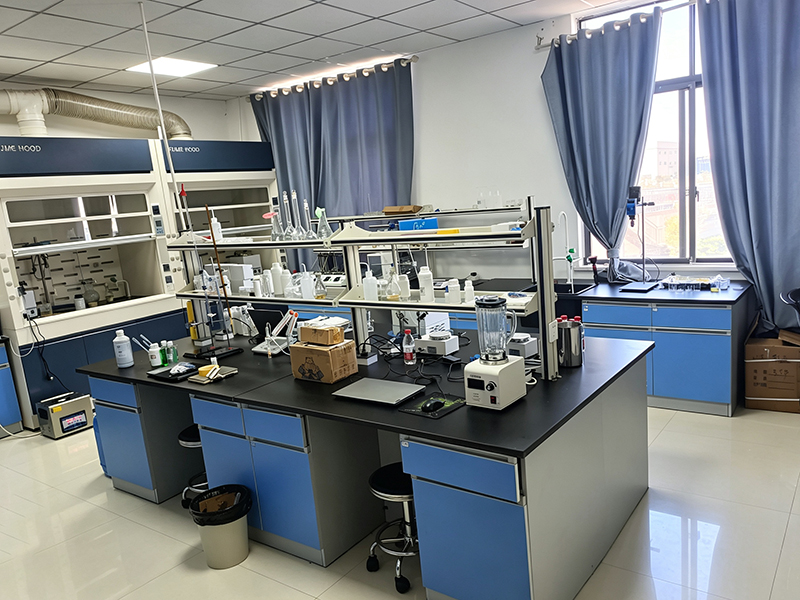
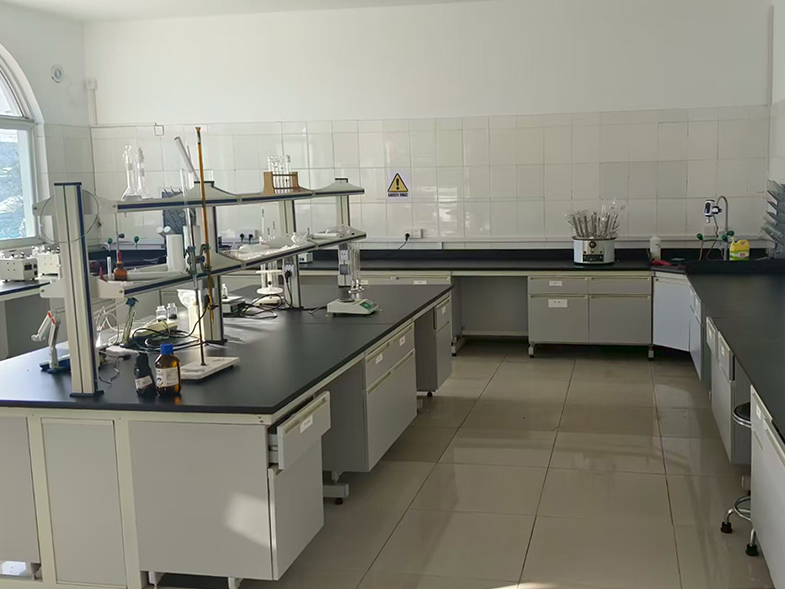
Our manufacturing facilities are located in Jiangxi and Shandong provinces, serving as our primary production centers. The Jiangxi plant is a brand-new facility equipped with state-of-the-art production lines and advanced manufacturing technologies, while our Shandong plant provides robust production capacity with years of operational excellence.
Operated by skilled manufacturing teams and adhering to strict quality management systems, our factories ensure efficient, stable, and scalable production that meets both domestic and international standards. Our automated synthesis loops ensure batch-to-batch consistency across thousands of metric tons of water-soluble formulations each year.
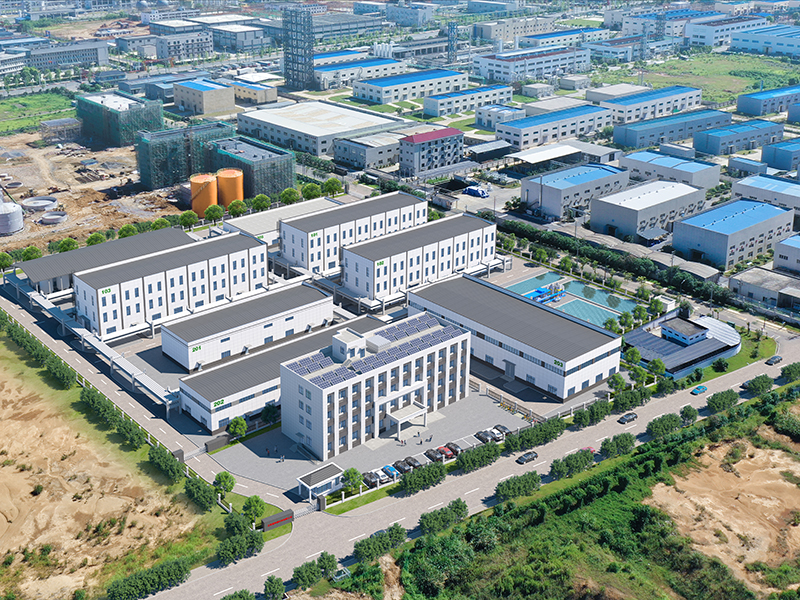
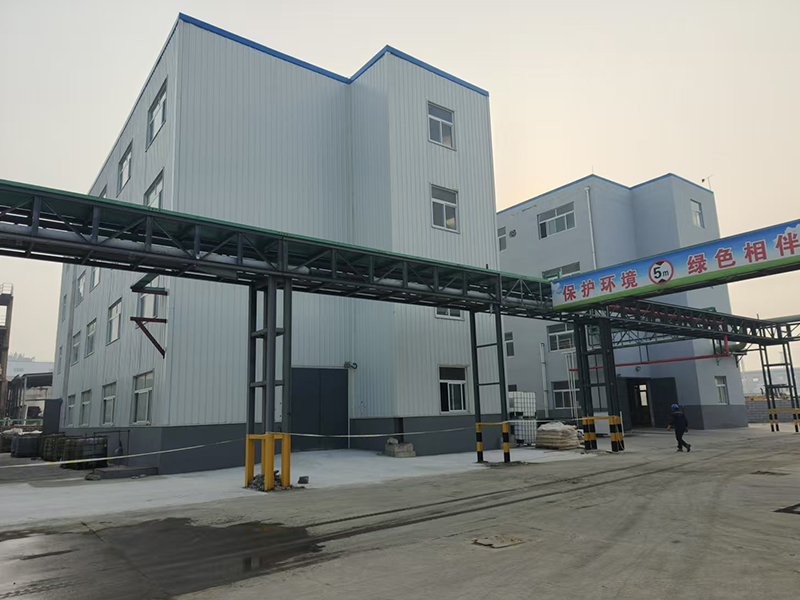
Essential formulation guidelines for chemical engineers and plant operators incorporating water-soluble sulfur solutions.
Elemental sulfur inherently forms hydrophobic octasulfur rings. Our proprietary synthesis uses targeted steric stabilizers and polar sulfonation grafting to formulate micro-droplets and nano-micelles. These polar groups form strong hydrogen bonds with surrounding water molecules, generating a repulsive hydration barrier that prevents coagulation and crystalline sedimentation.
Typical dosing ranges between 10 ppm to 150 ppm (parts per million), depending on the total concentration of dissolved heavy metals (Hg, Pb, Cu, Cd). Unlike inorganic iron or aluminum coagulants that generate high sludge weight, our sulfur-based precipitating agent forms stoichiometric, crystalline coordination complexes that settle with rapid kinetics and low water entrapment.
Yes. In fact, co-polymerizing or physically blending soluble sulfur compounds with PCE polymers imparts improved slump retention and mitigates cement slump flash setting under high-temperature casting conditions. The sulfur atoms provide additional chelating sites that regulate the early hydration kinetics of tricalcium aluminate (C3A) phases.
Water-soluble sulfur concentrates should be stored in high-density polyethylene (HDPE), polypropylene (PP), or 316L stainless steel containers. While non-corrosive to mild steel under ambient neutral conditions, avoiding brass or copper fittings is recommended due to potential sulfur-metal staining. The product remains stable within temperatures of 2°C to 45°C with a guaranteed shelf-life exceeding 12 months.
Select from our comprehensive lineup of advanced chemical additives, water treatment agents, and performance reducing compounds.
Engineered sulfur-chelate formula achieving 99.8% capture of dissolved heavy metal ions in industrial wastewater treatment plants.
View Details →
Sulfonated high-range water reducer providing extraordinary plasticizing effect, high early strength, and reduced permeability.
View Details →
Colloidal nanoscale sulfur dispersion for rapid vulcanization, biocide synthesis, and specialty crop protection compounds.
View Details →
Polycarboxylate copolymer with anchored sulfonate groups, optimizing cement flowability and extended workability windows.
View Details →
Direct donor of reactive polysulfide ions for complete decontamination of flue gas scrubbers, tailings water, and mining leachates.
View Details →
Fine mortar and self-leveling underlayment additive ensuring high water reduction, zero bleeding, and flawless surface finish.
View Details →
Safe aqueous sulfur precursor for catalyst presulfiding, refinery anti-corrosion, and coke inhibition in cracking towers.
View Details →
Custom sulfur-modified polycarboxylate delivering rapid hydration activation in blended pozzolanic and blast furnace slag concretes.
View Details →Our Jiangxi & Shandong R&D centers develop custom molecular weights, solid concentrations, and ionic charges tailored to your specific application requirements.


