Welcome to JiuJiang LANZO New Materials Technology Co., Ltd.


- Home
- Products
- About Us
- Customized Process
- Applications/Solution
- News
- Contact Us
Leave Your Message
Welcome to JiuJiang LANZO New Materials Technology Co., Ltd.
Engineered to optimize moisture retention, floc compaction, and phase separation in complex industrial effluents
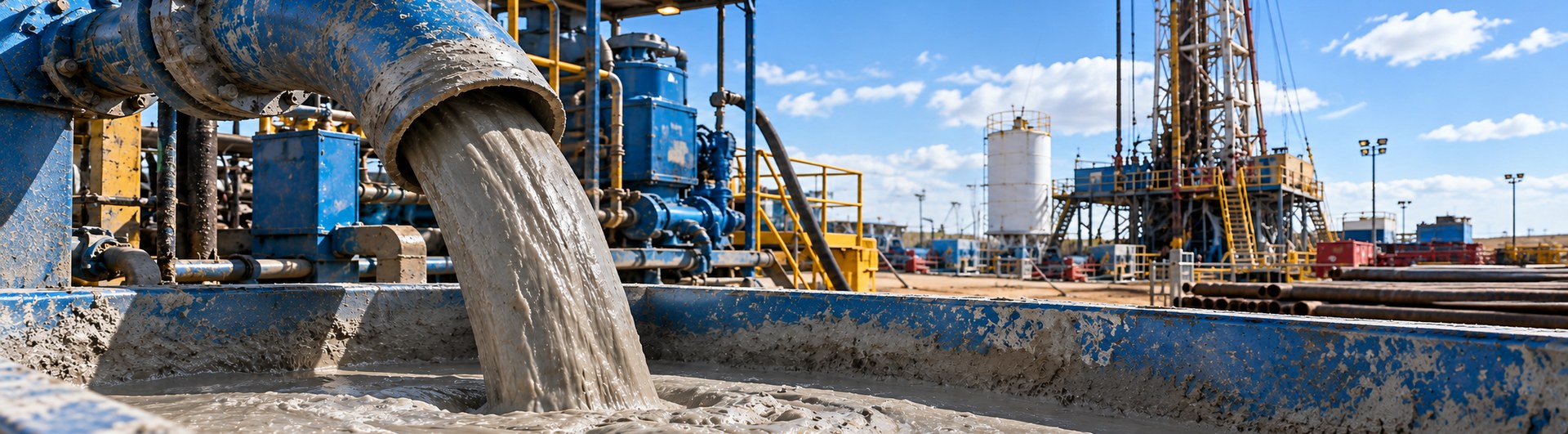
Enhances slurry liquidity and mechanical compaction during wastewater cake dewatering.
Explore Formulation →
Reduces liquid interfacial tension to accelerate hydraulic penetration and filter washing.
Explore Formulation →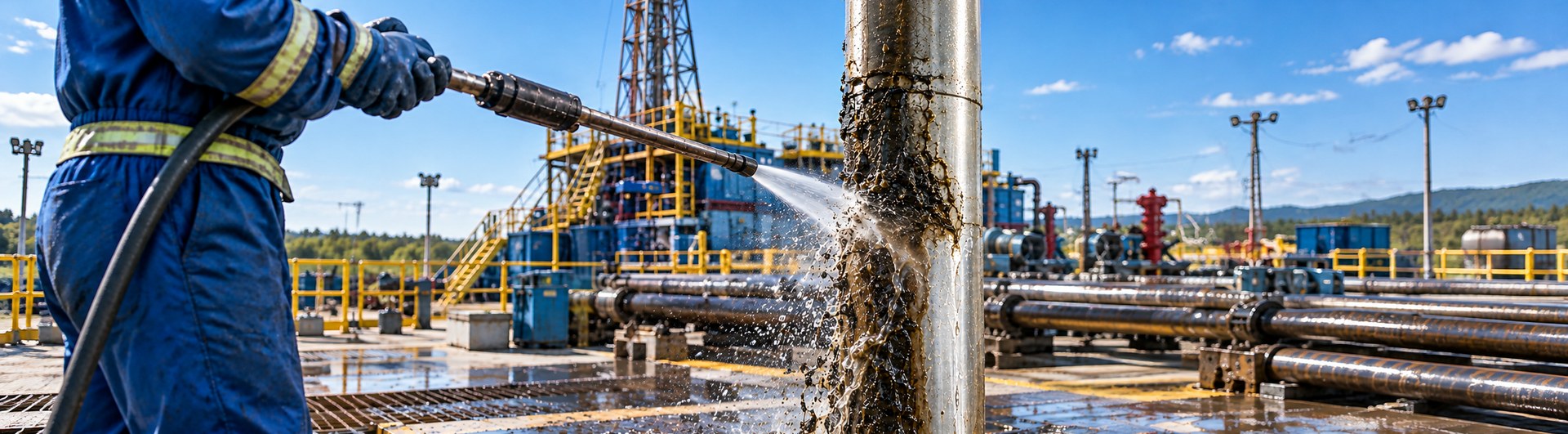
Removes persistent organic foulants and scaling from ultrafiltration and RO membranes.
Explore Formulation →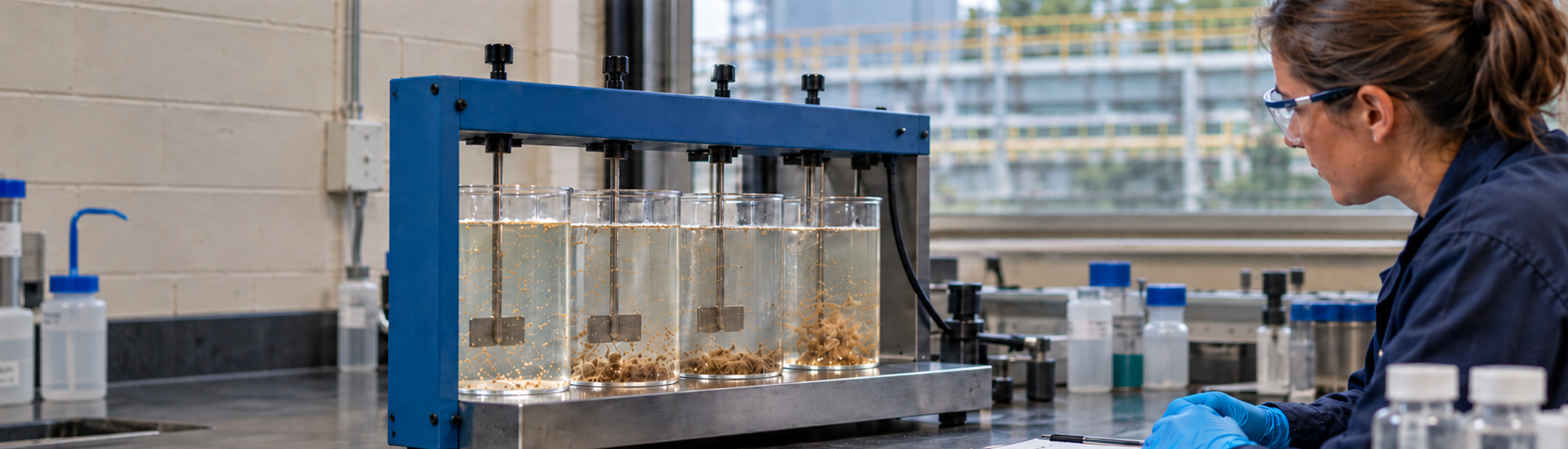
Rapidly destabilizes colloidal suspensions, building ultra-dense flocs for filtration.
Explore Formulation →Navigating global regulatory pressures, thermal evaporation economics, and advanced sludge matrix transformation
Industrial wastewater engineering historically treated water retention and mechanical dewatering as opposing phenomena. However, contemporary environmental chemistry views water retention agents as essential rheological modulators. In mega-scale effluent facilities—ranging from coal chemical processing, pharmaceutical synthesis, and electroplating complexes to petroleum refining—untreated wastewater generates heterogeneous, highly hydrated colloidal matrices. These matrices retain excessive interstitial and capillary water held firmly by extracellular polymeric substances (EPS).
By introducing targeted synthetic water retention polymers, cross-linked cellulose derivatives, and amphoteric polyelectrolytes, process engineers regulate moisture mobility within sludge cakes. During early-stage biological degradation and sedimentation, specialized water retention aids prevent localized desiccation in bio-scrubbers, preserving bacterial consortia viability under extreme salinity shocks. Conversely, when directed into chamber filter presses, decanter centrifuges, and screw extruders, these specialized conditioning agents alter the hydrophilic-lipophilic balance (HLB), converting stubborn intracellular bound water into free interstitial water, drastically lowering cake disposal weight and thermal incineration costs.
The transition toward circular industrial economies demands zero hazardous residuals in wastewater streams. Legacy polyacrylamide formulations are evolving: modern industrial facilities demand green, modified biopolymers derived from starch-graft copolymers, functionalized polyaspartates, and low-viscosity polysaccharide complexes that perform in severe pH ranges (pH 1 to 14) and ionic strengths exceeding 150,000 mg/L TDS. Coupled with real-time AI optical sensor networks, smart chemical dosing stations adjust retention agent injection rates dynamically according to incoming chemical oxygen demand (COD), zeta potential, and total suspended solids (TSS).
Precision-tailored chemistry designed for harsh effluent environments across mission-critical sectors
Petroleum refinery sludge contains emulsified hydrocarbons, refractory phenols, and heavy asphaltenes that resist conventional centrifugal separation. Water retention modifiers condition the viscoelastic boundaries, stabilizing the sludge emulsion prior to cracking. This permits controlled phase inversion, allowing clean oil recovery while trapping toxic aromatic molecules within structured, non-leaching mineral flocs ready for secure landfilling or sintering.
In hydrometallurgy and mineral tailing dams, uncontrolled moisture migration creates catastrophic liquefaction risks. Advanced high-molecular-weight retention agents bind microscopic tailings, ensuring controlled water dissipation and accelerating sediment consolidation. This enables rapid recycling of supernatant water back into flotation circuits, reducing fresh river water consumption by up to 60% in arid mining districts.
Textile finishing mills discharge massive volumes of complex chromophores, surfactants, and caustic salts. Our functional water-conditioning auxiliaries react synergistically with color-stripping polymers. By locking hydrated dye complexes into dense aggregates, they maintain optimal hydration shells during clarifier filtration without blinding filter fabrics or fouling downstream reverse osmosis (RO) membranes.
Coal-to-olefins and coal gasification facilities generate brine liquor loaded with nitrates, chlorides, and silicates. Water retention additives govern crystalline kinetics inside falling film evaporators and crystallizers. By preventing rapid, uneven flash desiccation on heat exchanger tubes, our agents suppress hard scale encrustation, extending operational cleaning intervals from weeks to months.
Kraft pulping and recycling mills generate excessive micro-fibril slurries that clog conventional dewatering equipment. Precision retention chemicals regulate hydrogen bonding between lignocellulosic fibers and water molecules, forming porous micro-channels in the filter cake. This architecture enables vacuum extractors to pull out trapped moisture effortlessly, slashing downstream gas dryer fuel costs.
Plating baths release toxic nickel, hexavalent chromium, and zinc colloids stabilized by complex chelates. When paired with heavy metal precipitants, specialized retention polymers encapsulate metal hydroxide nuclei, maintaining ideal floc moisture balance to prevent dusting during handling while halting hazardous heavy metal re-leaching into municipal aquifers.
JiuJiang LANZO New Materials Technology Co., Ltd. is a dynamic and innovative chemical enterprise established in 2019 and strategically located in Jiujiang City, Jiangxi Province, China – a region well-connected to major transportation networks for efficient global logistics. We specialize in the research, development, production, and sales of high-performance chemical additives, serving a diverse range of industries including oilfield exploration, water treatment, petrochemical refining, industrial manufacturing, and coatings production.
Our product portfolio encompasses oilfield chemical additives, water treatment agents, refining and fuel additives, industrial processing aids, coating auxiliaries, and advanced new materials. Beyond our standard offerings, we pride ourselves on our ability to deliver fully customized product development solutions, tailoring chemical formulations to meet the unique specifications and performance requirements of each individual client.
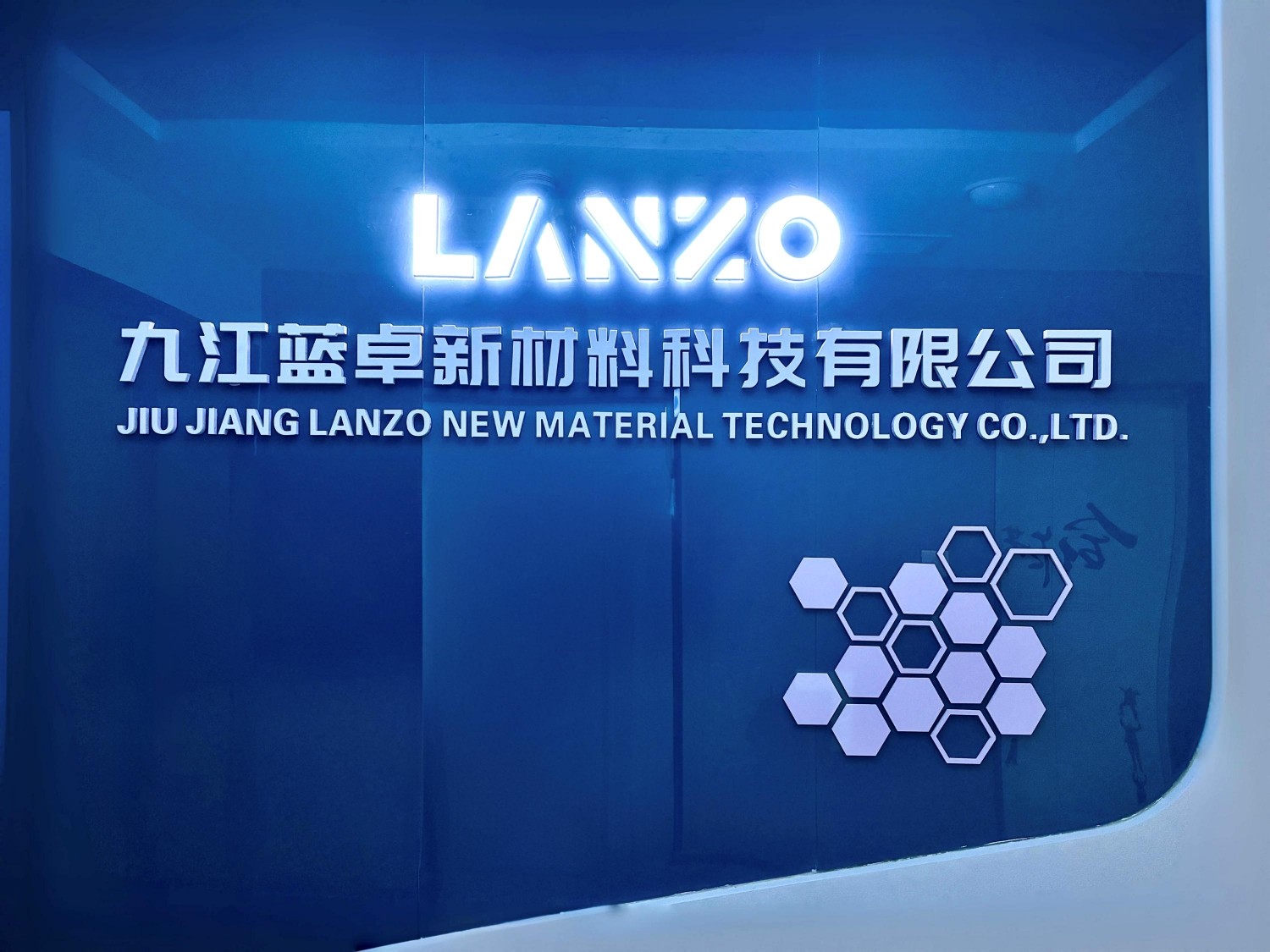
Our operations and business center is headquartered in Jiujiang, Jiangxi Province. From this strategic hub, we coordinate global supply chain management, order fulfillment, and technical support across our four core businesses—oilfield chemicals, water treatment, fuel, and industrial coatings. With convenient access to major transportation networks, we ensure efficient, reliable delivery to customers worldwide.
By integrating smart enterprise management tools, our logistics team tracks bulk chemical containers and specialized ISO-tanks in real time, delivering high-purity water retention polymers, demulsifiers, and flocculants safely to treatment facilities across Southeast Asia, the Middle East, Europe, and the Americas.
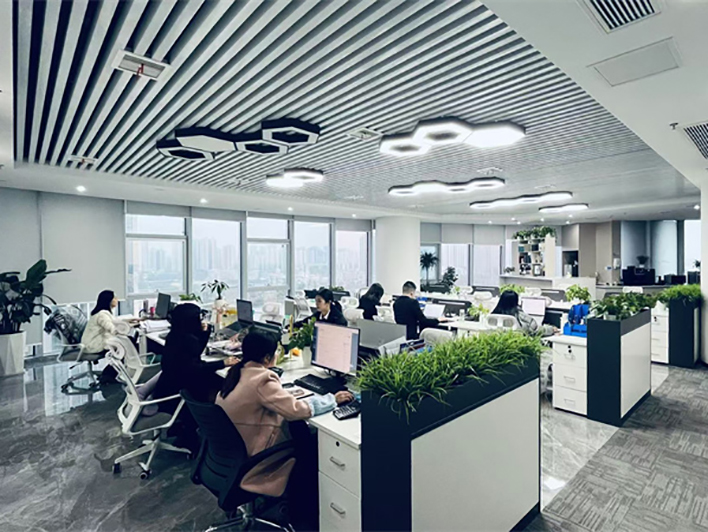
Our R&D and quality control laboratories are located in Jiangxi and Shandong provinces. Equipped with advanced testing instruments and staffed by experienced technical teams, our labs are capable of formulating and custom-developing products to meet diverse customer requirements. From raw material evaluation to finished product performance verification, every stage of laboratory testing and analysis is carried out with scientific rigor and precision.
Equipped with high-performance liquid chromatography (HPLC), Fourier-transform infrared spectroscopy (FTIR), particle size analyzers, and capillary suction time (CST) meters, our research chemists evaluate real-world industrial effluent samples, synthesizing bespoke polymer branches that optimize water retention, dewatering speed, and chemical oxygen demand reduction.
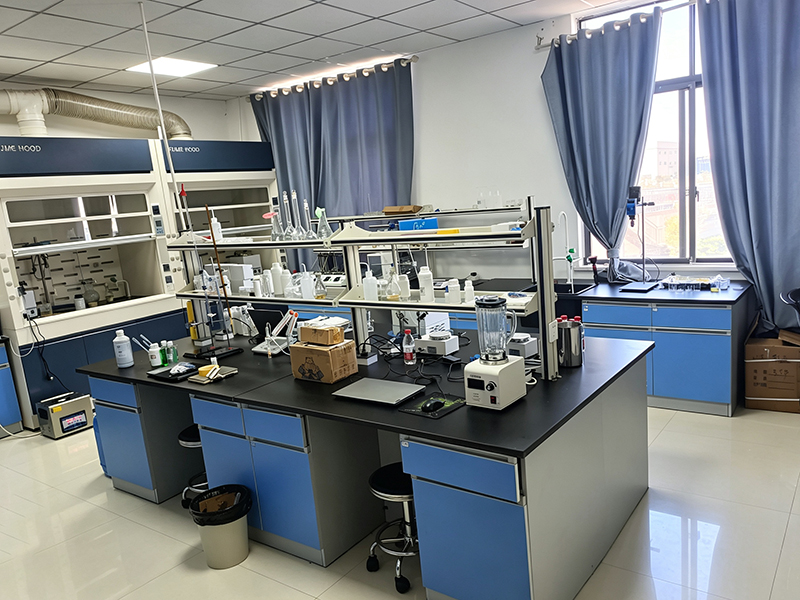
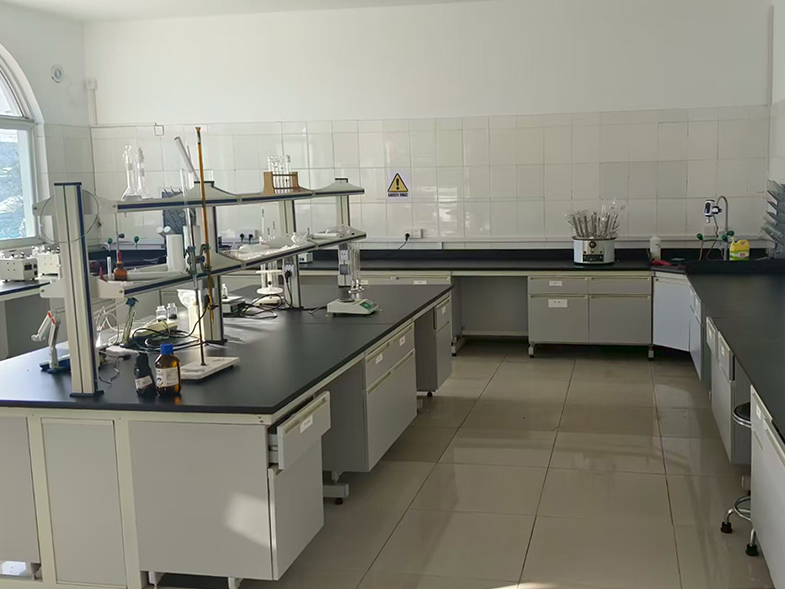
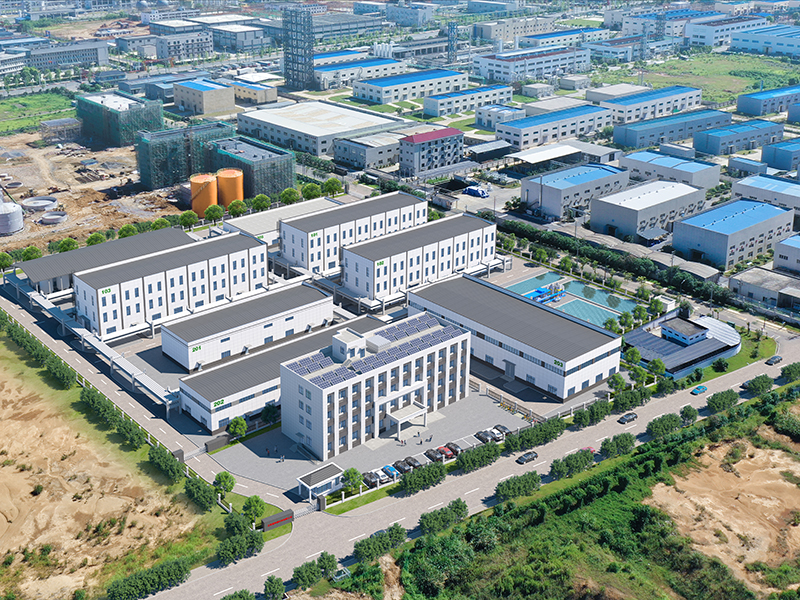
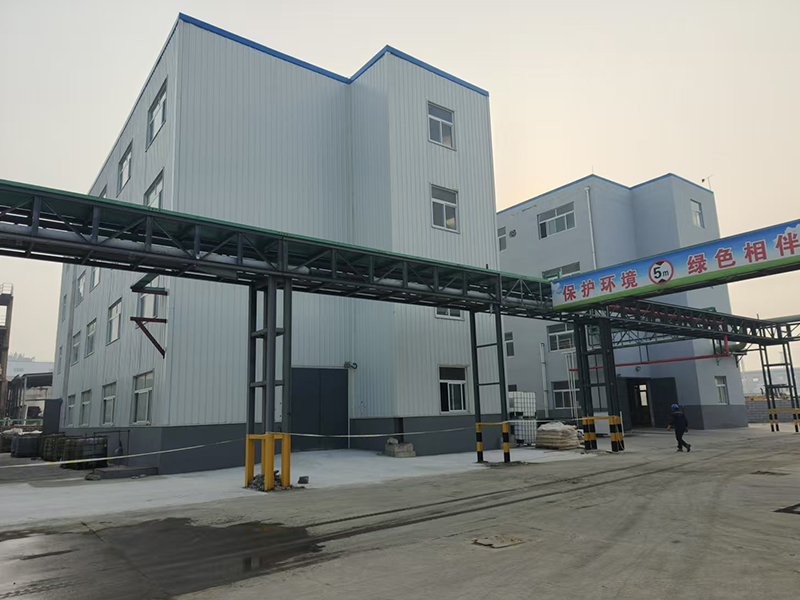
Our manufacturing facilities are located in Jiangxi and Shandong provinces, serving as our primary production centers. The Jiangxi plant is a brand-new facility equipped with state-of-the-art production lines and advanced manufacturing technologies, while our Shandong plant provides robust production capacity with years of operational excellence. Operated by skilled manufacturing teams and adhering to strict quality management systems, our factories ensure efficient, stable, and scalable production that meets both domestic and international standards.
With closed-loop automated reactors, PLC-controlled thermal jackets, and vacuum distillation trains, LANZO produces thousands of metric tons of water treatment additives each month, maintaining strict batch-to-batch consistency and zero environmental discharge in manufacturing.
Engineered chemical additives delivering synergy in wastewater clarification, sludge compaction, and pollution control
Dispersion agent minimizing slurry water consumption and enhancing cake dry-solids content.
View Details →
Surfactant formulation accelerating surface wetting, filtration efficiency, and cake washing.
View Details →
Heavy-duty industrial cleaner dissolving organic residues, oil build-ups, and pipe foulants.
View Details →
High-charge polyelectrolyte that unites fine colloidal particles into shear-resistant macro-flocs.
View Details →
High-density mineral additive accelerating gravity clarification in high-rate lamella settlers.
View Details →
Chelating macromolecule that irrevocably precipitates complexed Cu, Ni, Pb, and Cr ions.
View Details →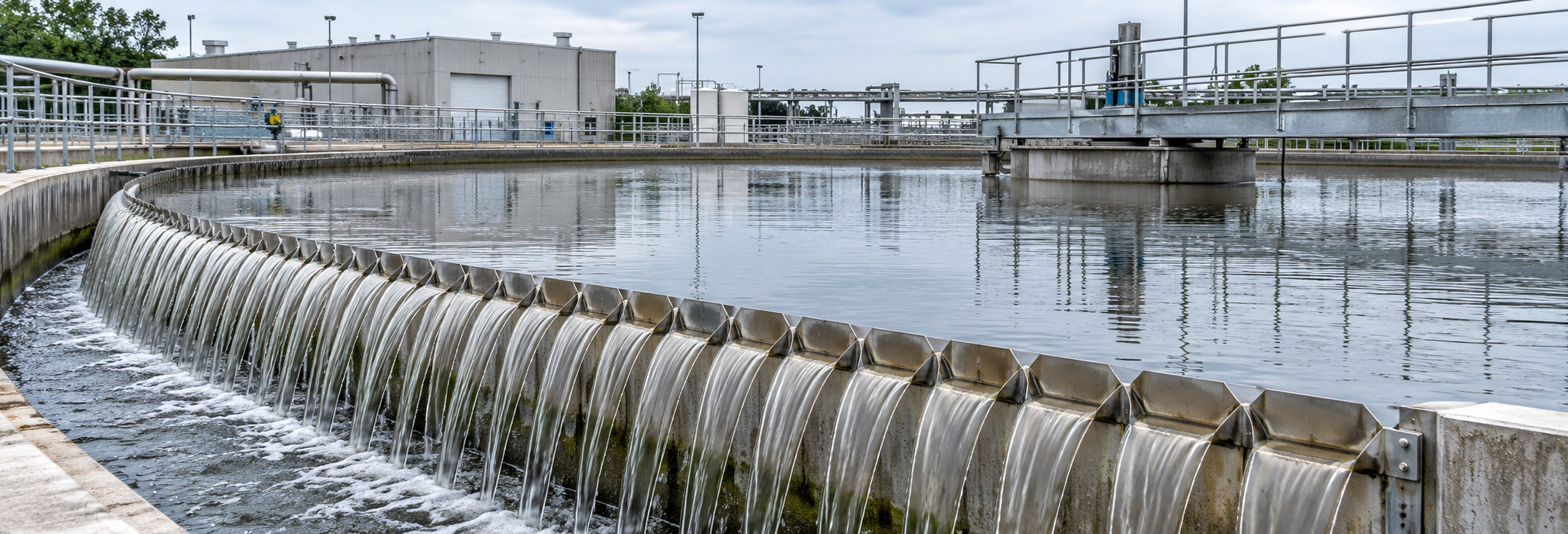
Cationic polymer targeting reactive, acid, and disperse dye chromophore destructurization.
View Details →
Formulated chelating scale dissolver disintegrating stubborn silicate, sulfate, and carbonate crusts.
View Details →


