Welcome to JiuJiang LANZO New Materials Technology Co., Ltd.


- Home
- Products
- About Us
- Customized Process
- Applications/Solution
- News
- Contact Us
Leave Your Message
Welcome to JiuJiang LANZO New Materials Technology Co., Ltd.
Engineered to optimize hydrocarbon fluids, enhance surface performance, and reinforce chemical product catalogs worldwide.
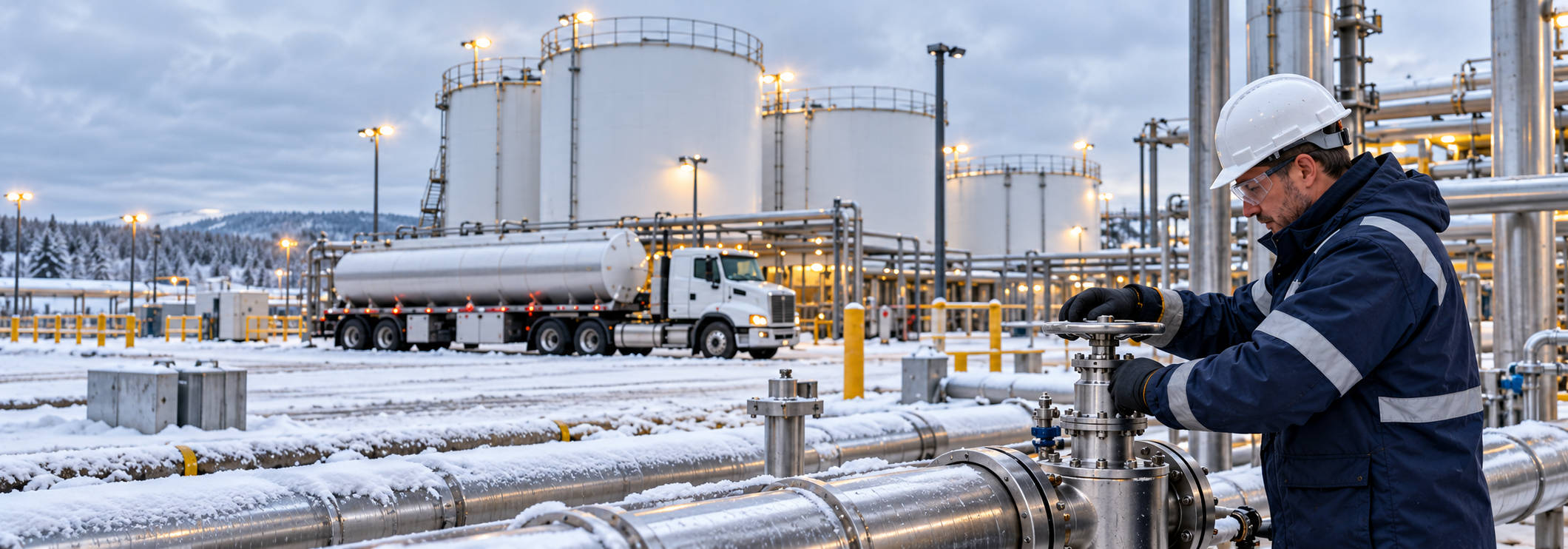
Specialty organosilicon pour point depressant delivering exceptional crystal lattice inhibition in low-temperature hydrocarbon streams.
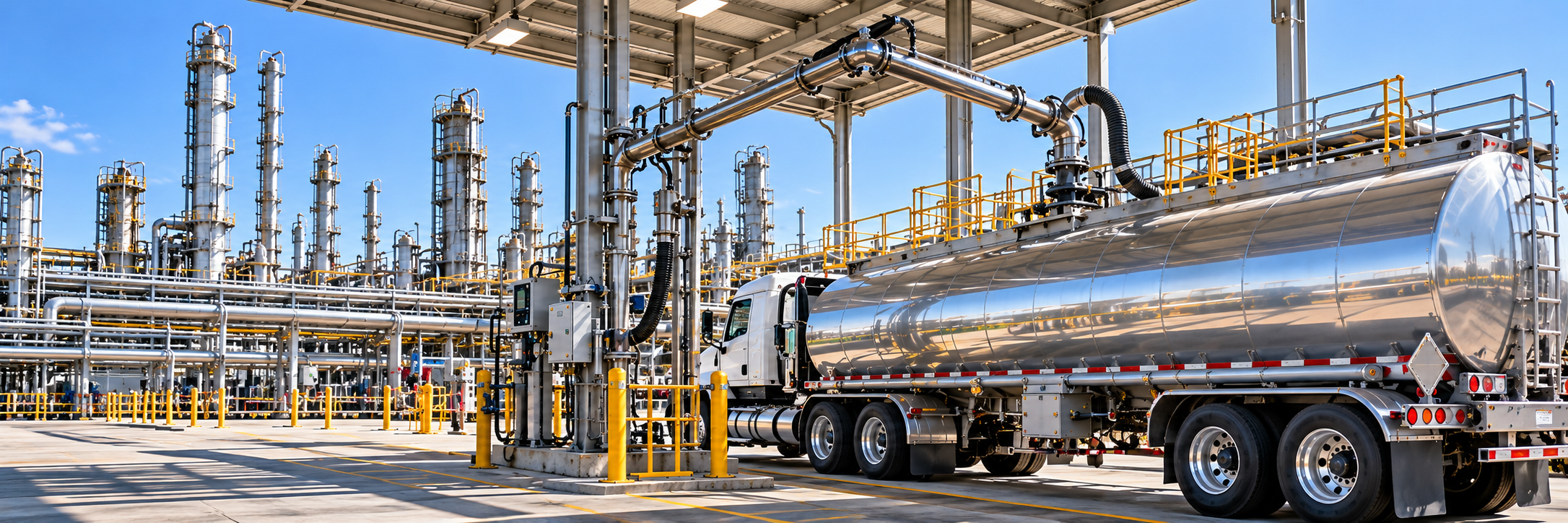
Combustion kinetics enhancer formulated with thermally stable silicon backbones to optimize flame front propagation and anti-knock indexes.
Ultra-low surface energy polyether-functionalized siloxane designed for specialty paint, ink, and protective coating distributors.
Highly shear-resistant silicone emulsion intermediate designed for severe petrochemical processing and heavy hydrocarbon distillation.
Market Drivers, High-Margin Opportunities, and Strategic Sourcing for Global Chemical Channels
In modern industrial commerce, the role of specialty chemical distributors has transitioned from simple warehouse brokers into comprehensive technical solution providers. Among the most versatile chemical classes in global demand, silicon additives represent an indispensable tier of high-performance functional chemistry. From reducing paraffin crystallization kinetics in sub-zero oilfields to eliminating micro-foam in high-solids architectural polyurethanes, silicon-based agents enable formulators to meet regulatory constraints while achieving superior physical durability.
Flexible Si-O-Si siloxane backbones offer low glass transition temperatures (-120°C) paired with high thermal dissociation limits (>450°C), outperforming standard organic polymer analogs.
Low dosage treat rates (typically 50 ppm to 0.5% wt) provide tremendous value-add, empowering regional distributors to market proprietary performance compounds with elevated profit margins.
Direct integration with primary synthesizers in China offers distributors reliable bulk monomer access, certified REACH/TSCA compliance, and stabilized inventory buffers against spot market spikes.
The global specialty chemical distribution network is experiencing a significant pivot toward advanced organosilicon polymers. As end-use manufacturers face tightening VOC (Volatile Organic Compound) limitations, traditional solvent-heavy leveling and fluidity improvers are being phased out. Silicon additives—including polyether-modified polydimethylsiloxanes (PDMS), amino-functional siloxanes, and fluorosilicone copolymers—deliver exceptional surface activity without introducing hazardous air pollutants.
Furthermore, regional blending houses and independent chemical distributors are increasingly requesting fully customized, tailor-formulated intermediates. Rather than distributing commoditized base fluids, successful channel distributors partner with advanced chemical synthesis plants that can supply customized siloxane chain lengths, controlled branching architectures, and target-specific organofunctional end-capping groups.
Targeted Cross-Sector Deployments Where Organosilicon Compounds Deliver Transformative Operational Value
In cold-climate logistics and subsea hydrocarbon pipelines, wax precipitation and high pour points threaten pipeline integrity and transportation economics. Low temperature fluidity additives engineered with silicone-acrylate grafts or organosilicone oligomers fundamentally alter paraffin crystallization kinetics. Instead of forming rigid three-dimensional wax matrices, the siloxane backbone prevents needle-like macrocrystalline agglomeration, keeping crude fractions, diesel, and intermediate fuel oils pumpable at temperatures lower by 15°C to 28°C.
Simultaneously, within the combustion segment, octane enhancing additives and combustion aids enriched with organosilicon intermediates act as flame speed moderators and cylinder deposit scavengers. By optimizing the thermodynamic propagation rate within high-compression engines, these specialized compounds mitigate knocking tendencies, protect catalyst beds, and stabilize thermal profiles during critical power phases.
For chemical distributors serving the coatings, adhesives, sealants, and elastomers (CASE) industry, silicone surface additives resolve widespread interfacial failure modes:
| Silicon Additive Chemistry | Target Industrial Segment | Primary Performance Mechanism | Typical Treat Rate |
|---|---|---|---|
| Silicone-Alkyl Copolymers | Refining & Fuel Distribution | Wax nucleator steric hindrance & pour point depression | 100 – 600 ppm |
| Polyether-Modified PDMS | Industrial Coatings & Resins | Surface tension reduction, mar resistance, slip orientation | 0.05 – 0.50% wt |
| Fluorosilicone Emulsions | Chemical Processing & Petrochemicals | Persistent defoaming under high shear and aggressive acid gas | 20 – 150 ppm |
| Organosilicon Quat Complexes | Industrial Water Treatment | Microbiological slime detachment & colloidal scale dispersal | 10 – 80 ppm |
Drilling and production environments impose extreme temperature and pressure regimes (HPHT) where conventional organic surfactants degrade. Silicon additives provide the chemical inertness demanded in modern drilling muds, acidizing fluids, and fracturing packages. Organosilicon defoamers endure extreme salt brine concentrations without breaking, while silicone friction reducers minimize pump head resistance across tortuous subterranean formations.
Municipal and industrial wastewater treatment plants consistently battle foam generation in biological aeration basins and evaporation towers. Standard mineral-oil defoamers decompose rapidly or introduce COD (Chemical Oxygen Demand) penalties. In contrast, specialized silicone emulsions provide high defoaming persistence at minute active concentrations, avoiding downstream membrane fouling in reverse osmosis (RO) systems and safeguarding microbiological integrity in active sludge units.
World-Class Production Infrastructure, Custom Formulations, and Certified Chemical Quality Control
JiuJiang LANZO New Materials Technology Co., Ltd. is a dynamic and innovative chemical enterprise established in 2019 and strategically located in Jiujiang City, Jiangxi Province, China – a region well-connected to major transportation networks for efficient global logistics. We specialize in the research, development, production, and sales of high-performance chemical additives, serving a diverse range of industries including oilfield exploration, water treatment, petrochemical refining, industrial manufacturing, and coatings production.
Our product portfolio encompasses oilfield chemical additives, water treatment agents, refining and fuel additives, industrial processing aids, coating auxiliaries, and advanced new materials. Beyond our standard offerings, we pride ourselves on our ability to deliver fully customized product development solutions, tailoring chemical formulations to meet the unique specifications and performance requirements of each individual client.

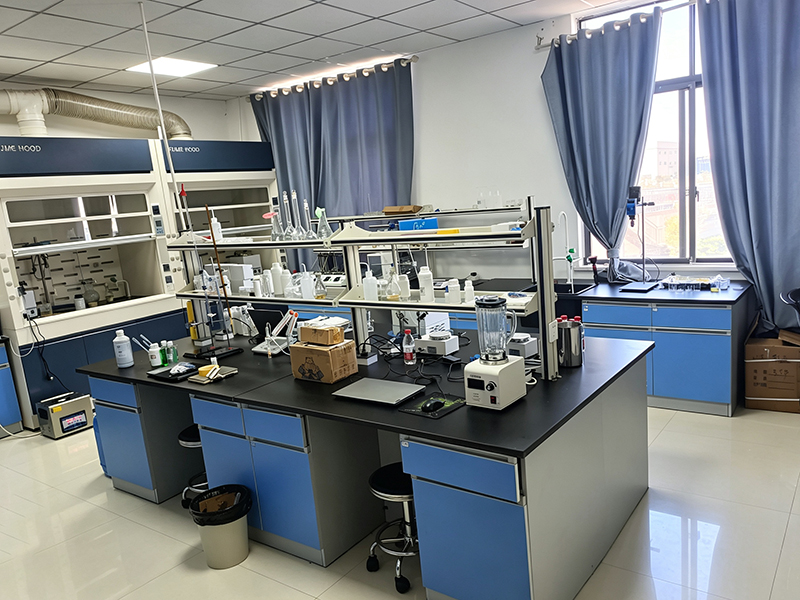
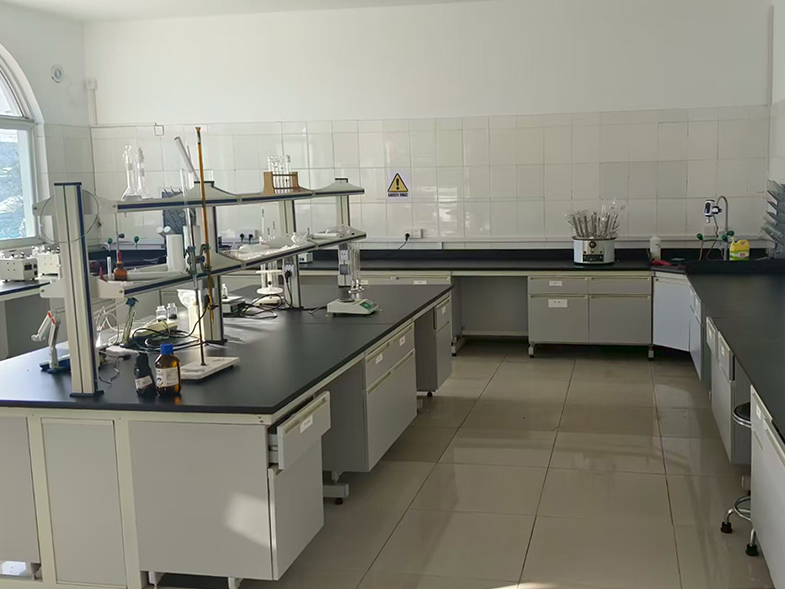
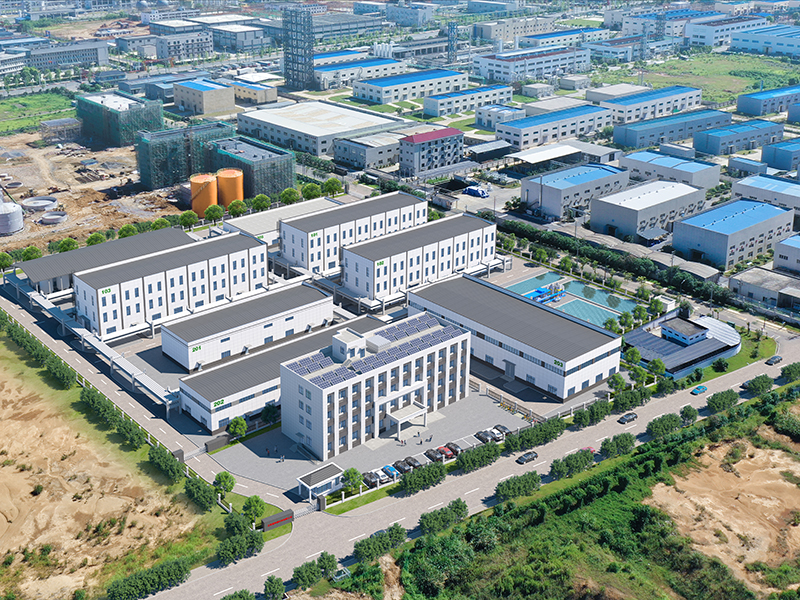
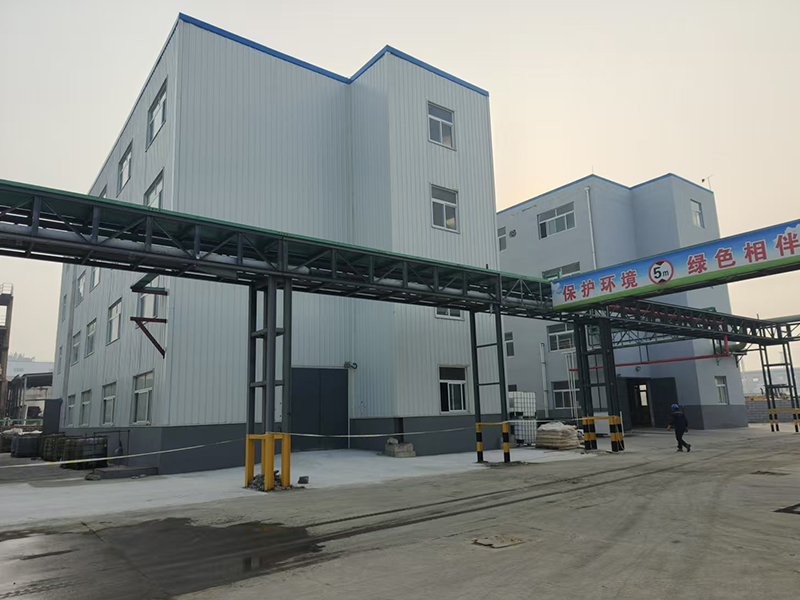
Our manufacturing facilities are located in Jiangxi and Shandong provinces, serving as our primary production centers. The Jiangxi plant is a brand-new facility equipped with state-of-the-art production lines and advanced manufacturing technologies, while our Shandong plant provides robust production capacity with years of operational excellence. Operated by skilled manufacturing teams and adhering to strict quality management systems, our factories ensure efficient, stable, and scalable production that meets both domestic and international standards.
Anticipating Regulatory Evolutions, Decarbonization Mandates, and Next-Generation Additive Architecture
The global specialty chemical distribution framework is navigating intense regulatory scrutiny concerning low-molecular-weight cyclosiloxanes (D4, D5, and D6). Forward-looking chemical distributors must strategically align with primary synthesis partners capable of providing ultra-low cyclic content siloxanes that meet stringent European Chemicals Agency (ECHA) and EPA thresholds.
Simultaneously, the industry is witnessing an acceleration in bio-hybrid silicon technology. By coupling bio-derived fatty alcohol polyethers with organomodified siloxane backbones, chemical synthesis innovators are successfully lowering non-renewable carbon footprints without surrendering the unmatched interfacial properties inherent to siloxane chemistry.
Through robust production redundancy across Jiangxi and Shandong facilities, rigorous batch chromatography characterization, and continuous technical customer support, JiuJiang LANZO New Materials Technology provides specialty chemical distributors with an ironclad competitive edge in international markets.
Standard and Tailor-Made Additive Formulations Ready for Global Bulk Logistics & Distribution
Depresses cold filter plugging points (CFPP) across light, ultra-low sulfur, and heavy marine gasoils.
High-efficiency organometallic-free anti-knock combustion package for gasoline blending terminals.
Specialized organosilicon pour point depressant formulated for high-paraffin waxy crude extraction.
Catalytic combustion enhancer designed to reduce unburned hydrocarbons and particulate emissions.
Controls low-temperature Brookfield viscosity across Group I, II, and synthetic Group III base oils.
100% active polyether-modified siloxane compound providing instantaneous knockdown and long knock-down durability.
Overcomes high cloud point challenges in FAME, HVO, and recycled fatty acid methyl ester fuels.
Ultra-fast oil-water interface separator delivering crystal-clear water effluent and low oil carryover.


