Welcome to JiuJiang LANZO New Materials Technology Co., Ltd.


- Home
- Products
- About Us
- Customized Process
- Applications/Solution
- News
- Contact Us
Leave Your Message
Welcome to JiuJiang LANZO New Materials Technology Co., Ltd.
Targeted chemical systems preventing fouling, thermal decay, and metal degradation in refinery process loops.
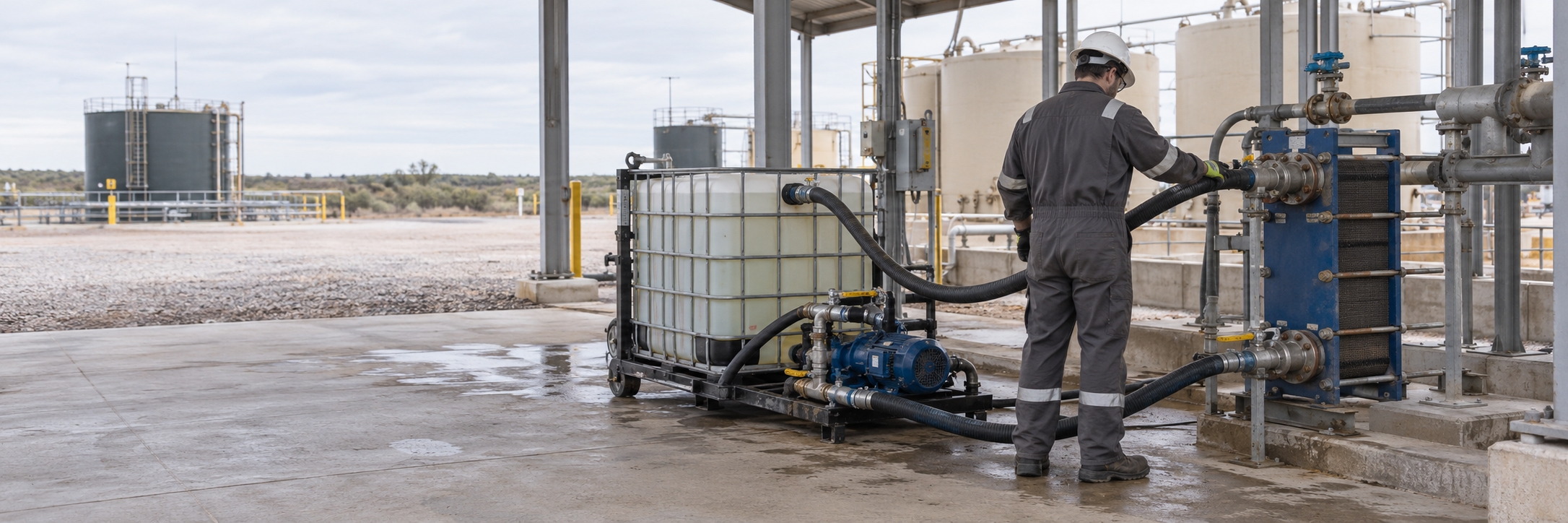
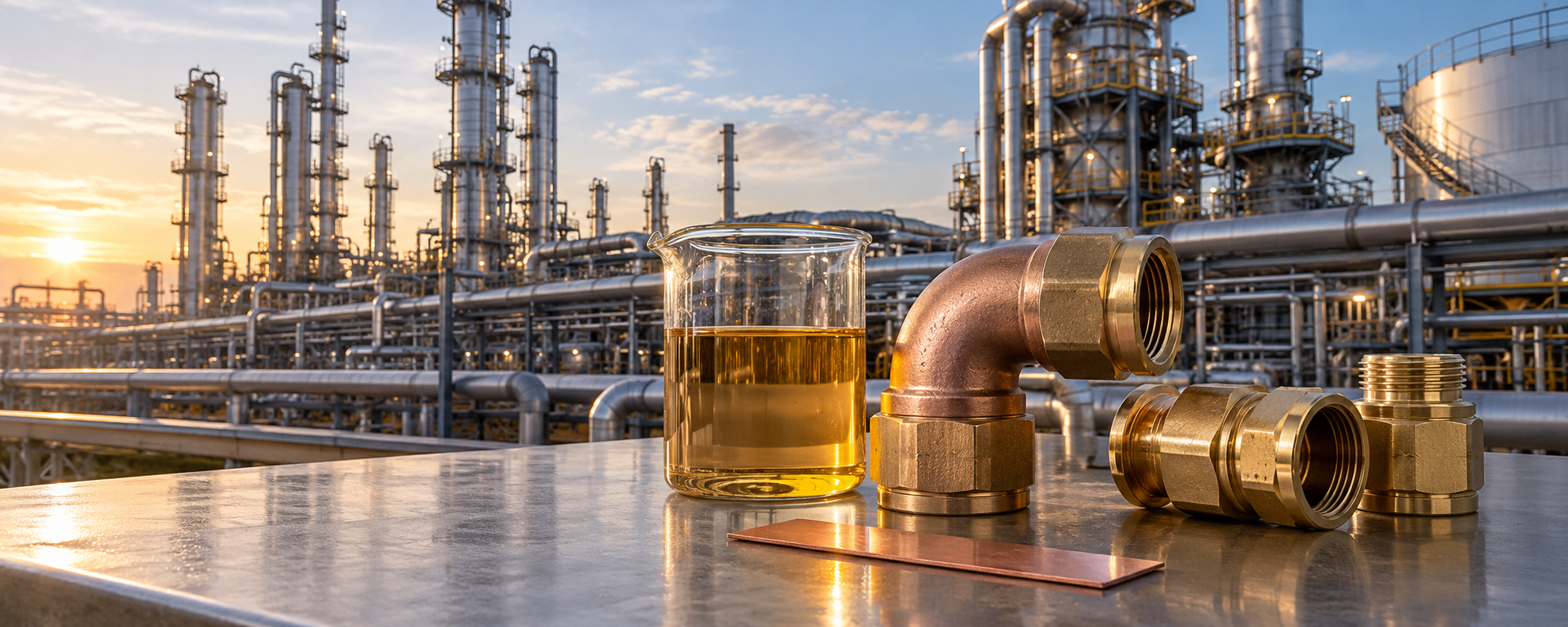
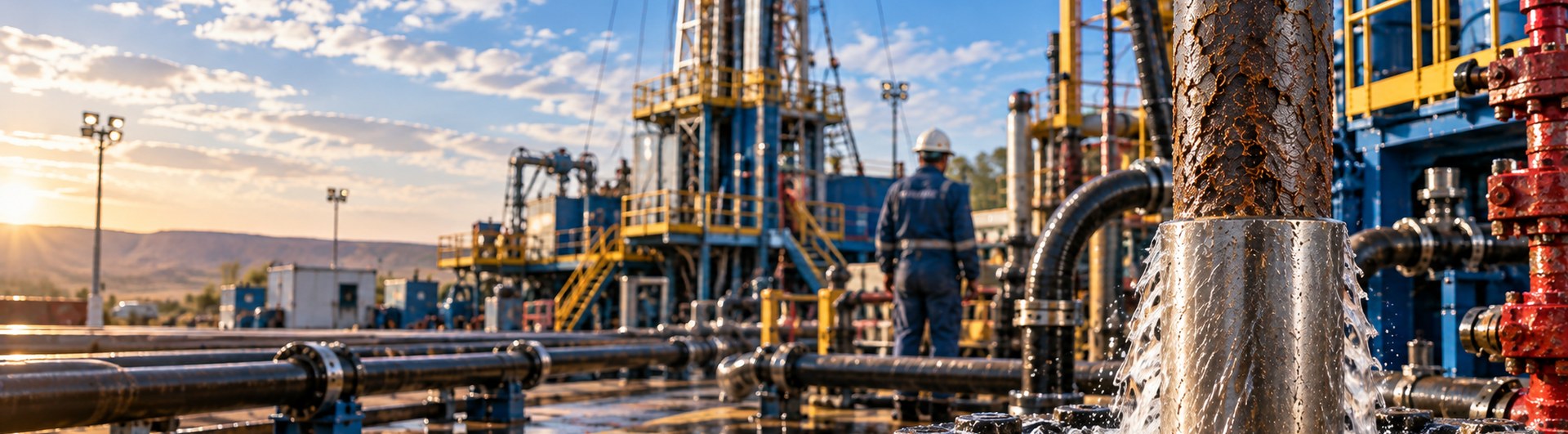
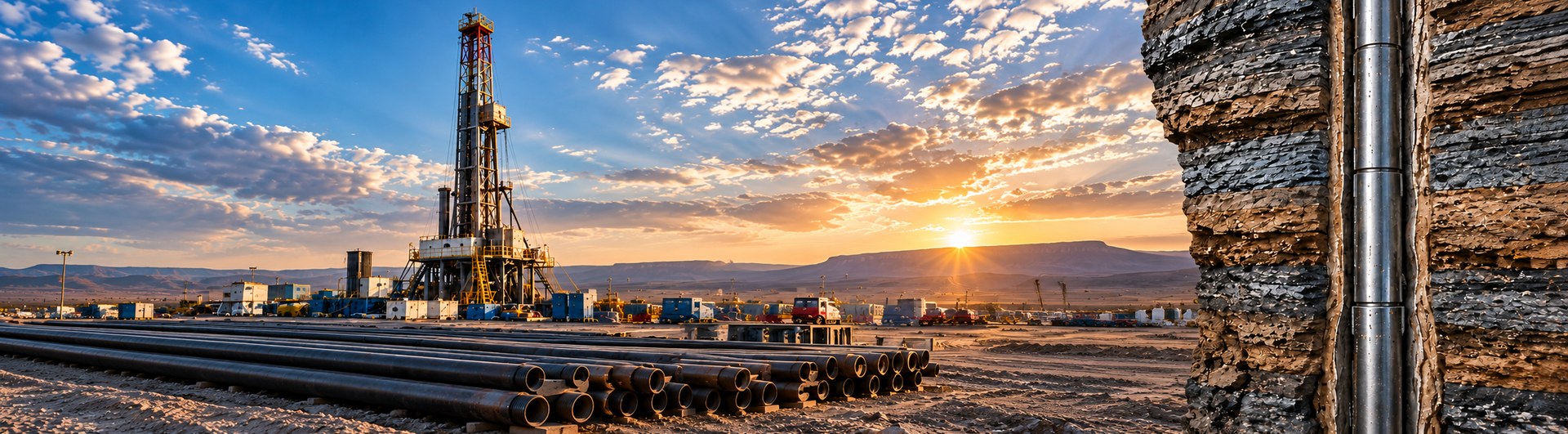
Overcoming severe thermal gradients, supersaturated brine phases, and thermodynamic precipitation in modern crude units.
Sub-stoichiometric polymer dynamics inhibit salt nucleation points at parts-per-million levels, restricting calcium carbonate and sulfate cluster propagation.
Adsorbing molecules deform regular crystal morphology into non-adherent, fragile macrostructures that wash cleanly through continuous refinery fluid currents.
Phosphonate-free and modified terpolymer matrices resist pyrolytic breakdown in reboilers, preheat trains, atmospheric towers, and hydrocracker fractionation columns.
Petrochemical refining complexes process increasingly diversified and sour crude slates, which introduces extraordinary operational challenges to heat exchangers, desalter vessels, atmospheric distillation units, and water recovery infrastructures. Inorganic mineral scaling—dominated by calcium carbonate (CaCO3), calcium sulfate (CaSO4), barium sulfate (BaSO4), strontium sulfate (SrSO4), and iron sulfide (FeS)—compromises refinery thermal efficiency, accelerates under-deposit corrosion (UDC), and causes unplanned emergency turnarounds. The implementation of high-performance Scale Inhibitors configured specifically for petrochemical refining conditions is an imperative strategy to protect capital investments and optimize unit throughput.
Modern petrochemical plants operate under tight margin environments where thermodynamic efficiency in preheat trains directly dictates overall profitability. Even a microscopic scale layer of 1 mm thickness inside a crude preheat bundle can degrade thermal conductivity by up to 40%, demanding heightened fuel consumption in fired heaters and escalating direct carbon emissions. Globally, the refining sector spends billions of dollars annually addressing fouling-related energy loss, mechanical decoking cycles, chemical cleanouts, and tube replacements.
With stringent global carbon regulations and ESG mandates taking effect, refineries are transitioning toward closed-loop water reuse and processing challenging opportunity crudes (such as tight oils, heavy bitumen blends, and high-TAN crudes). These crudes carry complex brine chemistries, higher shear factors, and volatile organic acids that destabilize mineral balances. Consequently, standard commercial polyacrylates are no longer sufficient; the industry demand has shifted decisively toward poly-functional, highly stable terpolymers and green biodegradable polymers that demonstrate resilience in multi-phase, high-temperature, and ultra-high-pressure conditions.
Petrochemical refining streams diverge significantly from municipal or low-temperature industrial circuits. Scale formation within refining units is governed by intricate physicochemical pathways:
For decades, conventional phosphonates (e.g., ATMP, HEDP, DTPMP) served as the primary defense against scaling. However, the aggressive operating parameters of contemporary petrochemical refining present significant limitations to legacy chemistry:
Thermal Hydrolysis: Traditional phosphonates experience rapid C-P bond cleavage above 140°C, precipitating insoluble calcium phosphate sludges that worsen fouling rather than mitigating it. Advanced petrochemical scale inhibitors utilize carboxylate-sulfonate terpolymers, maleic acid copolymers, and modified polyaspartic formulations capable of sustaining full operational integrity up to 260°C.
Dispersion of Heavy Metal Colloidals: Scale in refining units is rarely pure calcium carbonate; it consistently complexes with pyrophoric iron sulfides, colloidal silica, and silt. Advanced inhibitors incorporate non-ionic hydrophobic blocks that impart extreme electro-steric repulsion, suspending particles within the fluid boundary layer until discharged from the vessel.
Environmental and Regulatory Decoupling: Discharge regulations for refining effluent streams have placed strict ceilings on phosphorus loading to combat aquatic eutrophication. Next-generation refinery chemical architectures prioritize zero-phosphorus or ultra-low-phosphorus synthetic agents with high bio-degradability metrics, aligning with international regulatory guidelines.
The strategic injection of scale inhibitors spans multiple critical process nodes across the petrochemical refinery:
JiuJiang LANZO New Materials Technology Co., Ltd. is a dynamic and innovative chemical enterprise established in 2019 and strategically located in Jiujiang City, Jiangxi Province, China – a region well-connected to major transportation networks for efficient global logistics.
We specialize in the research, development, production, and sales of high-performance chemical additives, serving a diverse range of industries including oilfield exploration, water treatment, petrochemical refining, industrial manufacturing, and coatings production.
Our product portfolio encompasses oilfield chemical additives, water treatment agents, refining and fuel additives, industrial processing aids, coating auxiliaries, and advanced new materials. Beyond our standard offerings, we pride ourselves on our ability to deliver fully customized product development solutions, tailoring chemical formulations to meet the unique specifications and performance requirements of each individual client.
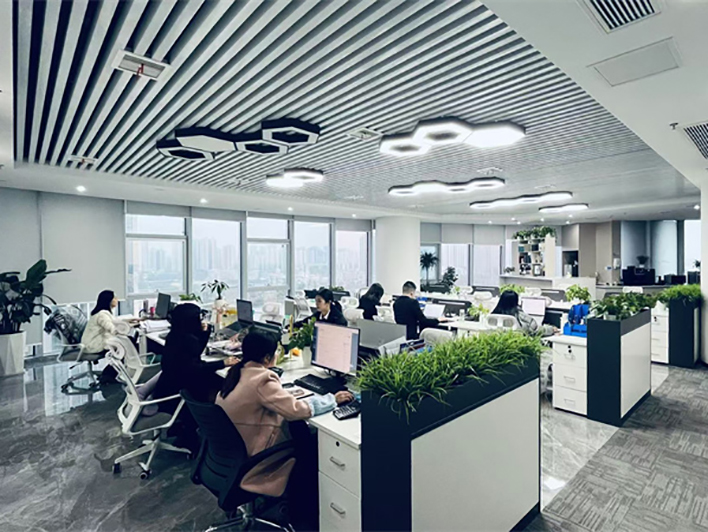
Our operations and business center is headquartered in Jiujiang, Jiangxi Province. From this strategic hub, we coordinate global supply chain management, order fulfillment, and technical support across our four core businesses—oilfield chemicals, water treatment, fuel, and industrial coatings.
With convenient access to major transportation networks, deep-water port systems, and dedicated regional rail freight lanes, we ensure efficient, reliable delivery and seamless logistics to refineries and chemical customers worldwide.
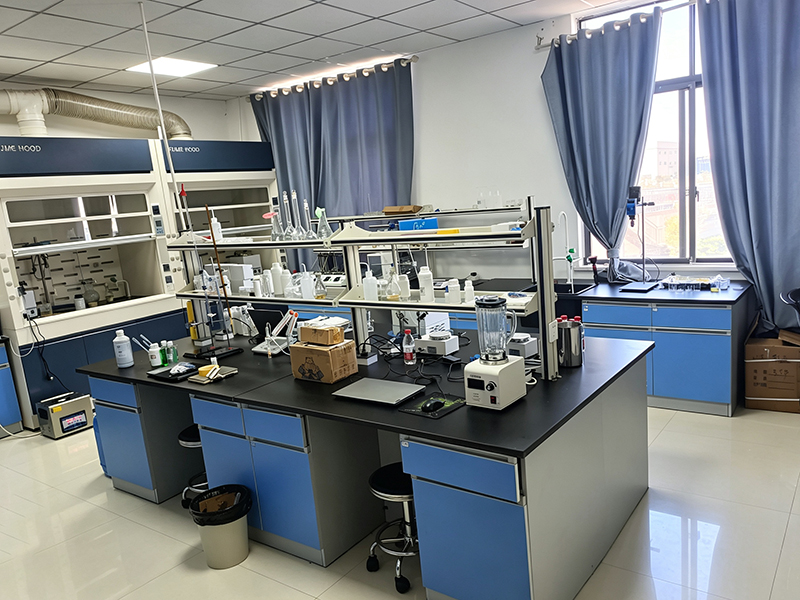
Our R&D and quality control laboratories are located in Jiangxi and Shandong provinces. Equipped with advanced testing instruments—including dynamic scale flow loops, high-pressure autoclaves, FTIR spectrophotometers, and inductively coupled plasma (ICP) analyzers—our labs are capable of formulating and custom-developing products to meet diverse customer requirements.
From raw material evaluation to finished product performance verification under simulated petrochemical refining parameters, every stage of laboratory testing and analysis is carried out with scientific rigor and precision.
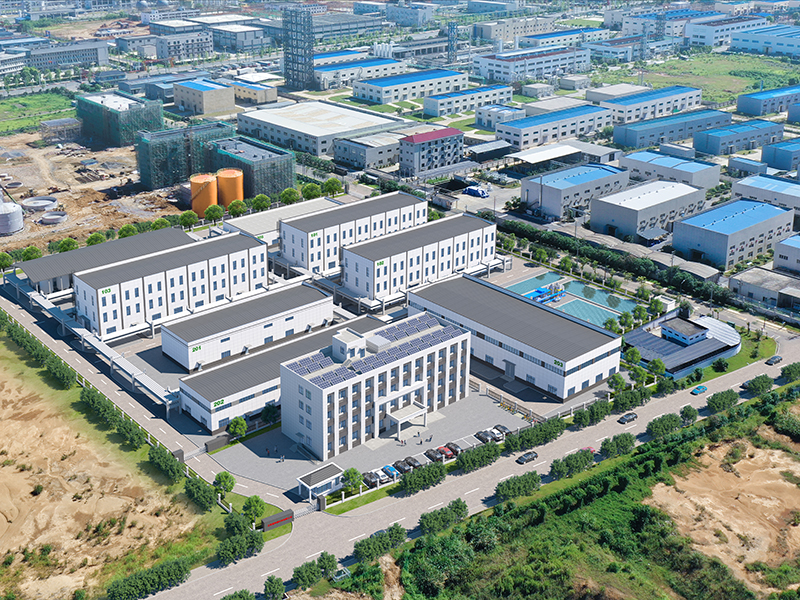
Our manufacturing facilities are located in Jiangxi and Shandong provinces, serving as our primary production centers. The Jiangxi plant is a brand-new facility equipped with state-of-the-art production lines and advanced manufacturing technologies, while our Shandong plant provides robust production capacity with years of operational excellence.
Operated by skilled manufacturing teams and adhering to strict quality management systems (ISO9001/ISO14001), our factories ensure efficient, stable, and scalable production that meets both domestic and international petrochemical refining standards.
Comprehensive corrosion and scale inhibition agents engineered for petrochemical processing, field production, and water systems.


