Welcome to JiuJiang LANZO New Materials Technology Co., Ltd.


- Home
- Products
- About Us
- Customized Process
- Applications/Solution
- News
- Contact Us
Leave Your Message
Welcome to JiuJiang LANZO New Materials Technology Co., Ltd.
Explore our flagship synthesis chemical agents deployed globally across deep exploration rigs, completion intervals, and aggressive downhole acidizing operations.
As drilling encounters unprecedented depths, ultra-high bottom-hole temperatures, and highly mineralized formations, premature mineral precipitation threatens exploration uptime, downhole tool longevity, and long-term reservoir permeability.
In global oilfield exploration and upstream drilling, the precipitation of insoluble inorganic mineral scales represents one of the most stealthy, financially destructive operational hazards encountered by drilling engineers. Hydrocarbon exploration has progressively migrated from shallow, depleted reservoirs to ultra-deep wells, deepwater fields, subsea tiebacks, and structurally complex unconventional shale plays. In these frontier exploration theaters, downhole pressures routinely exceed 15,000 psi, while bottom-hole temperatures (BHT) surge beyond 200°C (392°F). Under such extreme thermodynamics, drilling fluids, completion brines, and connate reservoir waters undergo violent equilibria shifts, driving instantaneous oversaturation of scale-forming ionic species.
Scale deposition during exploration drilling does not merely diminish tubular inner diameters; it induces severe catastrophic failures. A few millimeters of dense barium sulfate (BaSO4) or calcium carbonate (CaCO3) buildup on directional drilling bottom-hole assemblies (BHAs), measurement-while-drilling (MWD) pulse transmitters, or logging-while-drilling (LWD) sensors can blind surface monitoring operations, cause differential pipe sticking, choke mud motors, and induce unbudgeted side-tracks. The total cost of non-productive time (NPT) directly attributed to mineral scale encrustation across deep exploration campaigns is estimated across the petroleum industry in billions of dollars annually.
Modern commercial drilling mandates chemical scale inhibitors that do not function merely as generic sequestering agents, but as multi-functional rheology-stabilizing additives compatible with complex water-based drilling muds (WBM), synthetic-based muds (SBM), brine-weighted completion systems, and high-density kill fluids. Consequently, the commercial development of advanced organophosphonates, polymeric terpolymers, and environmentally benign polyaspartate chemistries has emerged as an indispensable cornerstone of modern drilling operational economics.
Operates at sub-stoichiometric ratios (1-10 ppm) to actively adsorb onto nascent embryonic crystal nuclei, elevating the activation energy barrier and arresting micro-crystal growth before phase change occurs.
Inhibitor molecules enter the regular crystal lattice planes of calcite, barite, or anhydrite, twisting the geometric lattice matrix and creating structurally brittle, non-adherent precipitates easily washed away by circulating mud.
Imparts high negative surface charges (Zeta potential shift) onto sub-micron mineral fragments, generating powerful electrostatic repulsion that keeps particulate contaminants suspended in the fluid column without agglomeration.
From mud filtrate compatibility to wellbore squeeze pre-flushes, examine how tailor-engineered scale inhibitors resolve specific petroleum engineering challenges.
In offshore and deepwater drilling operations, fluids traverse dual thermodynamic extremes: cold mud lines near the seabed where temperatures hover around 4°C (39°F), followed immediately by ultra-deep high-temperature reservoir horizons. When sulfate-rich seawater-based drilling fluids intermix with formation brines laden with high concentrations of barium (Ba2+), strontium (Sr2+), and calcium (Ca2+), catastrophic BaSO4 and SrSO4 deposition occurs almost spontaneously.
Our scale inhibitor formulations are engineered to maintain complete chemical stability and high threshold activity across this sharp thermal gradient, preventing subsea choke line plugging, subsea blowout preventer (BOP) fouling, and drill pipe inner diameter constriction.
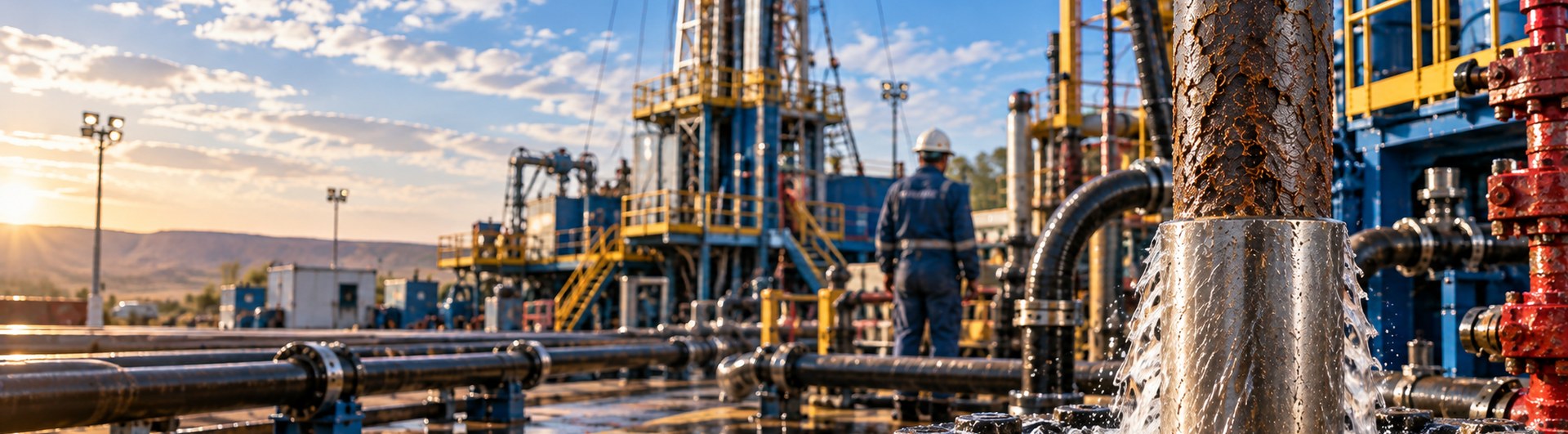
Standard phosphonates such as ATMP and HEDP undergo rapid thermal degradation, C-P bond cleavage, and orthophosphate precipitation when continuous bottom-hole temperatures exceed 160°C. In deep gas and geothermal exploration, this degradation transforms the inhibitor itself into a source of calcium phosphate sludge, exacerbating formation skin damage.
LANZO's advanced polymeric terpolymers (synthesized with AMPS, acrylic acid, and sulfonated monomers) deliver exceptional thermal resilience exceeding 220°C (428°F). These resilient macromolecules resist thermal hydrolysis, chelating divalent cations securely under ultra-high pressures and preventing severe wellbore calcification.
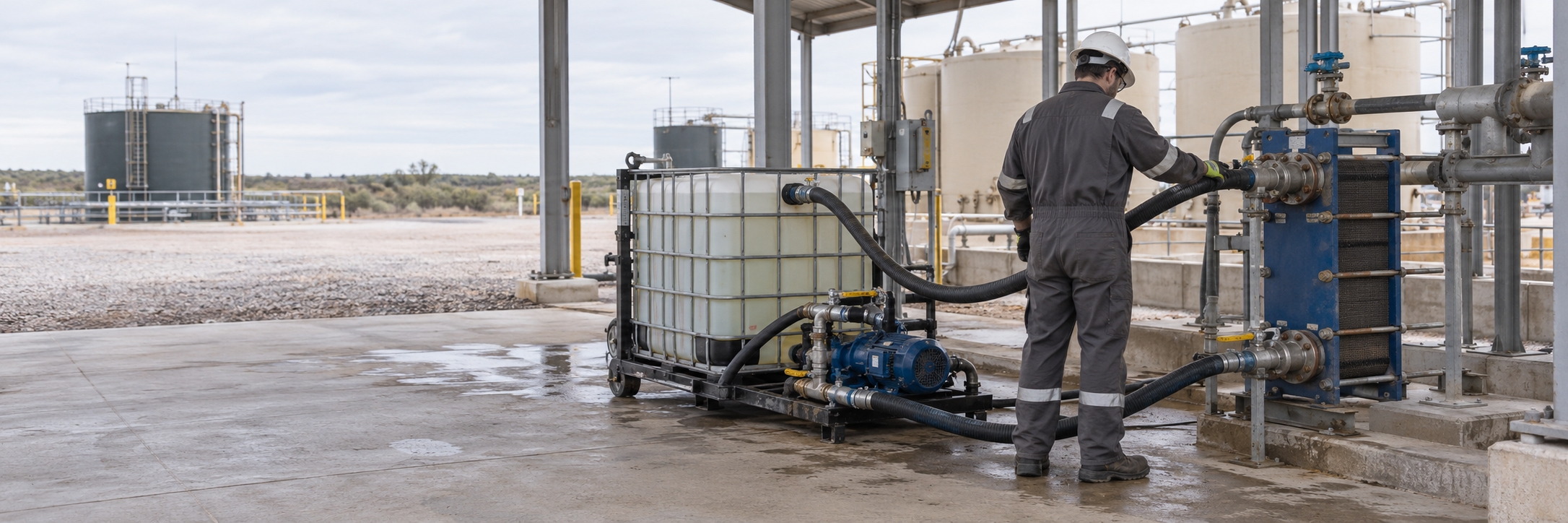
During the drilling of porous sandstone or naturally fractured carbonate pay zones, dynamic overbalance forces drilling mud filtrate deep into the formation matrix. If the filtrate chemistry is not chemically buffered with robust scale inhibitors, downhole mixing with native connate water causes immediate pore-throat plugging within a 3- to 5-foot radius of the wellbore.
Integrating our specialized scale inhibition chemicals directly into reservoir-drill-in fluids (RDF) neutralizes mineral supersaturation at the fluid-rock interface. This guarantees pristine reservoir permeability, facilitates seamless cleanup, and maximizes initial flow potential during post-drill stem testing (DST).
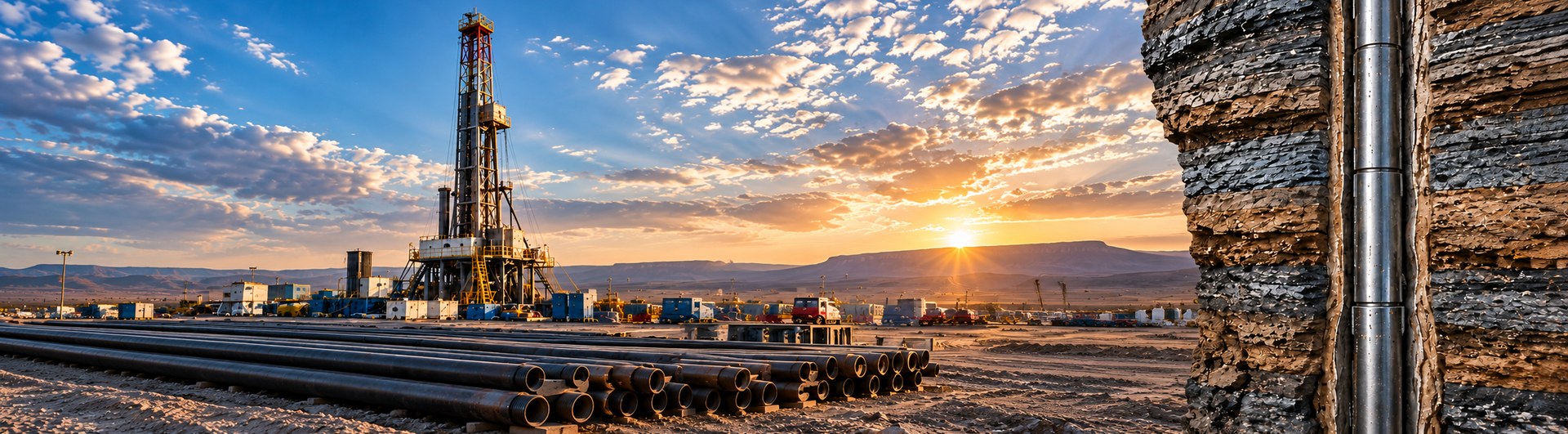
Examining how nanotechnology, zero-phosphorus polymers, and automated mud monitoring are reshaping wellbore scale control strategies worldwide.
The global exploration drilling sector is undergoing a profound paradigm shift driven by stringent environmental governance (such as OSPAR offshore regulations in the North Sea and equivalent standards in the Gulf of Mexico) and the economic necessity of extending asset lifecycles. Traditional scale inhibitor chemistries that rely on high phosphorus content are facing operational restrictions due to marine toxicity and eutrophication risks. In response, modern chemical R&D has engineered three decisive innovations:
Green chemistry initiatives have catalyzed the commercialization of polyaspartic acid (PASP), carboxymethyl inulin (CMI), and modified polyepoxysuccinic acid (PESA). These bio-based macromolecules offer rapid marine biodegradability without compromising threshold scale inhibition efficiency against CaCO3 and CaSO4. Their unique molecular geometries furnish rich electron-donating carboxylate motifs capable of chelating calcium ions even in heavy calcium chloride and calcium bromide completion fluids.
A persistent challenge in deep exploration drilling is premature chemical wash-out during squeeze treatments. By encapsulating scale inhibitor active molecules inside functionalized silica nanoparticles or crosslinked polymer nanocapsules, drillers can inject inhibitor packages deep into the formation during pre-completion phases. The nanoparticles anchor onto reservoir mineral surfaces, releasing active inhibitor molecules through controlled diffusion over months, effectively turning the formation rock into a self-protecting scale defense barrier.
Under deep exploration environments, mineral deposition and electrochemical pipe corrosion act in destructive synergy: under-deposit corrosion accelerates pitting of high-alloy drill strings and casing joints. Modern formulation science has created hybrid synergistic molecules that synthesize nitrogenous film-forming corrosion inhibitors with carboxylic/sulfonic scale inhibitors, providing complete dual-barrier metal passivation and scale crystal distortion in a single drum.
JiuJiang LANZO New Materials Technology Co., Ltd. is a dynamic and innovative chemical enterprise established in 2019 and strategically located in Jiujiang City, Jiangxi Province, China – a region well-connected to major transportation networks for efficient global logistics. We specialize in the research, development, production, and sales of high-performance chemical additives, serving a diverse range of industries including oilfield exploration, water treatment, petrochemical refining, industrial manufacturing, and coatings production.
Our product portfolio encompasses oilfield chemical additives, water treatment agents, refining and fuel additives, industrial processing aids, coating auxiliaries, and advanced new materials. Beyond our standard offerings, we pride ourselves on our ability to deliver fully customized product development solutions, tailoring chemical formulations to meet the unique specifications and performance requirements of each individual client.
Our operations and business center is headquartered in Jiujiang, Jiangxi Province. From this strategic hub, we coordinate global supply chain management, order fulfillment, and technical support across our four core businesses—oilfield chemicals, water treatment, fuel, and industrial coatings. With convenient access to major transportation networks, we ensure efficient, reliable delivery to customers worldwide.
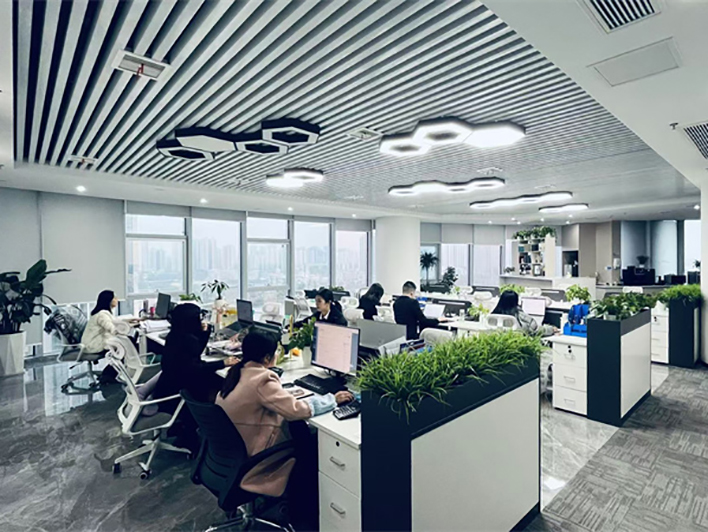
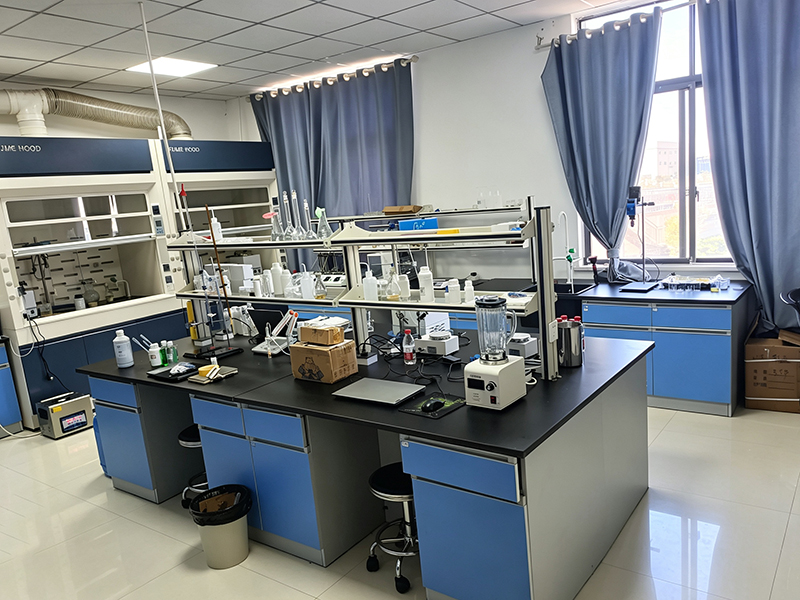
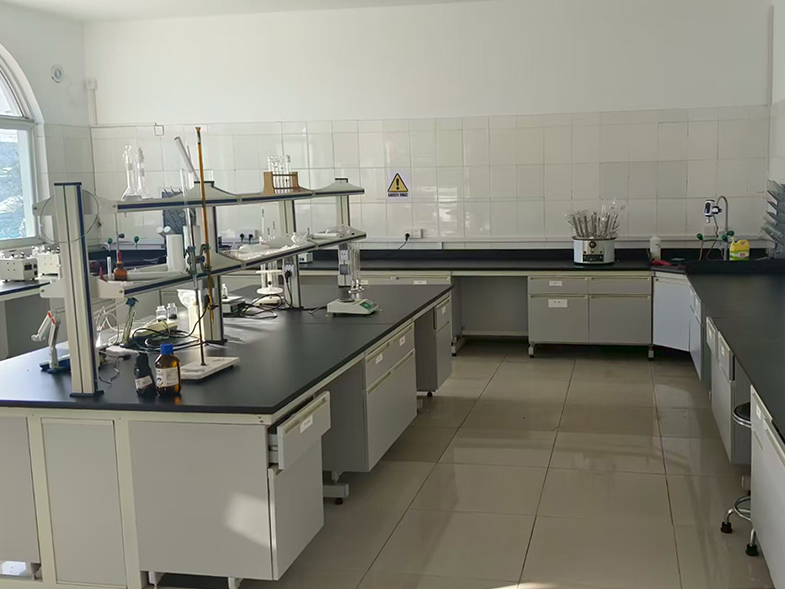
Our R&D and quality control laboratories are located in Jiangxi and Shandong provinces. Equipped with advanced testing instruments and staffed by experienced technical teams, our labs are capable of formulating and custom-developing products to meet diverse customer requirements. From raw material evaluation to finished product performance verification, every stage of laboratory testing and analysis is carried out with scientific rigor and precision.
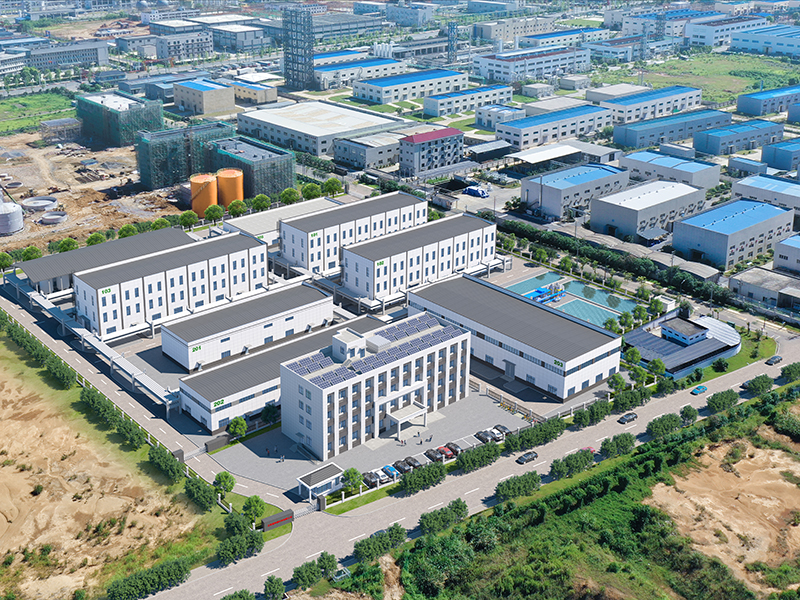
Our manufacturing facilities are located in Jiangxi and Shandong provinces, serving as our primary production centers. The Jiangxi plant is a brand-new facility equipped with state-of-the-art production lines and advanced manufacturing technologies, while our Shandong plant provides robust production capacity with years of operational excellence. Operated by skilled manufacturing teams and adhering to strict quality management systems, our factories ensure efficient, stable, and scalable production that meets both domestic and international standards.
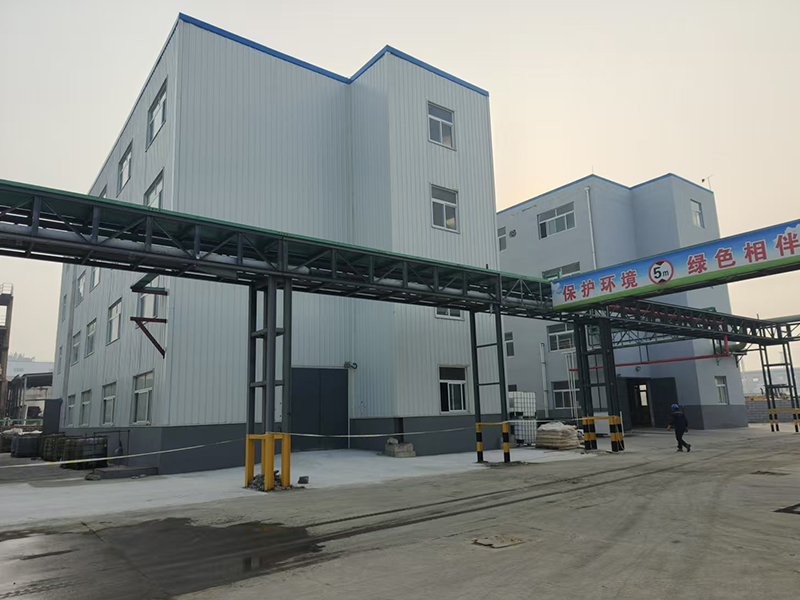
Engineered for extreme wellbore dynamics, high shear circulation, and formation matrix integrity across global drilling operations.
High-potency organic and inorganic scale dissolution chemistry designed to rapidly eliminate stubborn sulfate and carbonate deposits from exploration drill pipes and subsea tubulars.
Formulated for extreme temperature exploration wells, providing dense protective molecular films across downhole alloy tubulars during high-pressure matrix acid stimulation.
High-performance polyamine shale hydration inhibitor engineered to prevent reactive clay swelling, sloughing, and bit balling throughout complex horizontal drilling paths.
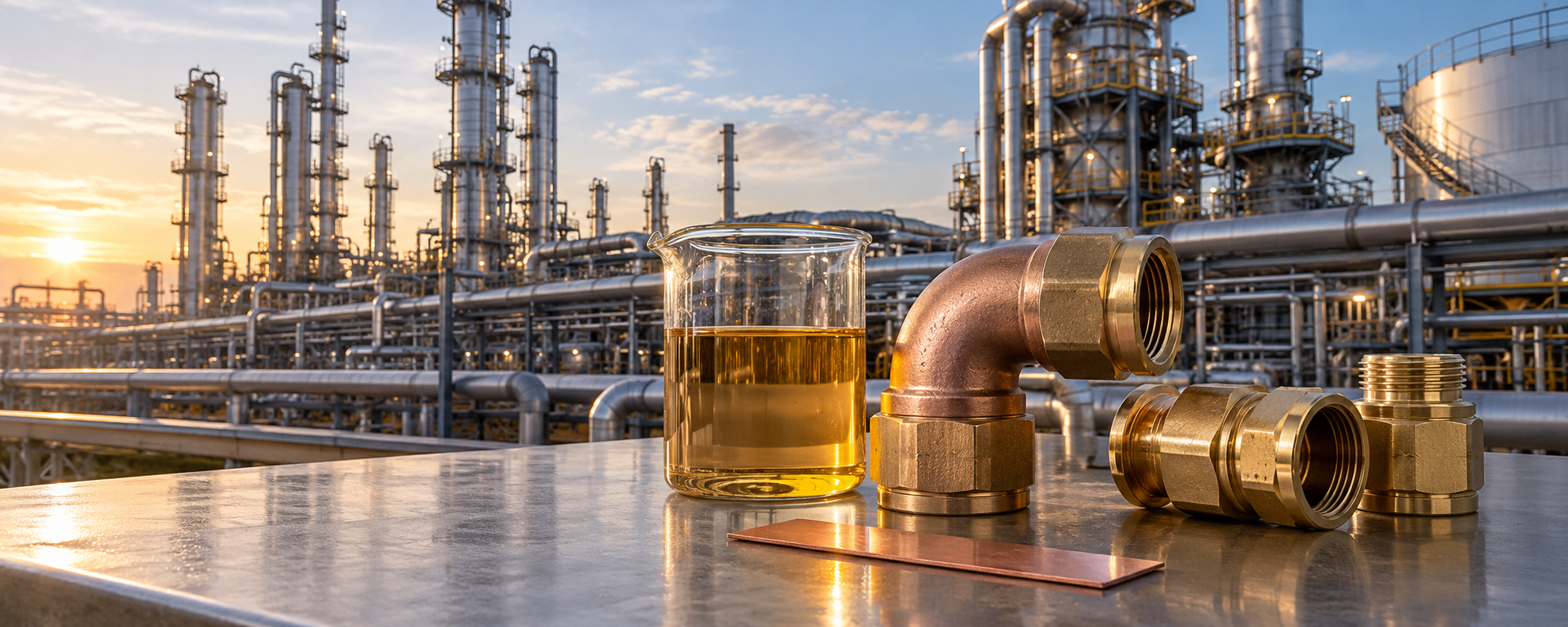
Specialized azole-based surface passivator engineered to protect downhole electronic enclosures, copper alloys, and instrumentation packages from aggressive galvanic degradation.
Thermally stabilized terpolymer system with exceptional resistance against thermal cracking and calcium crosslinking in heavy completion brines up to 220°C.
Customized surface-active formulation providing complete barrier isolation for drill stems under aerated drilling and high-salinity brine drilling mud circulation.
Targeted threshold inhibitor delivering phenomenal nucleation inhibition against recalcitrant barite and celestite crystals during deep subsea drilling operations.
Synergistic dual-function additive that stabilizes unconsolidated formation shales while suppressing interstitial pore-scale mineralization during exploratory drill-in phases.


