Welcome to JiuJiang LANZO New Materials Technology Co., Ltd.


- Home
- Products
- About Us
- Customized Process
- Applications/Solution
- News
- Contact Us
Leave Your Message
Welcome to JiuJiang LANZO New Materials Technology Co., Ltd.
Engineered to suppress crystalline fouling, metal leaching, and equipment encrustation across industrial paint production lines.
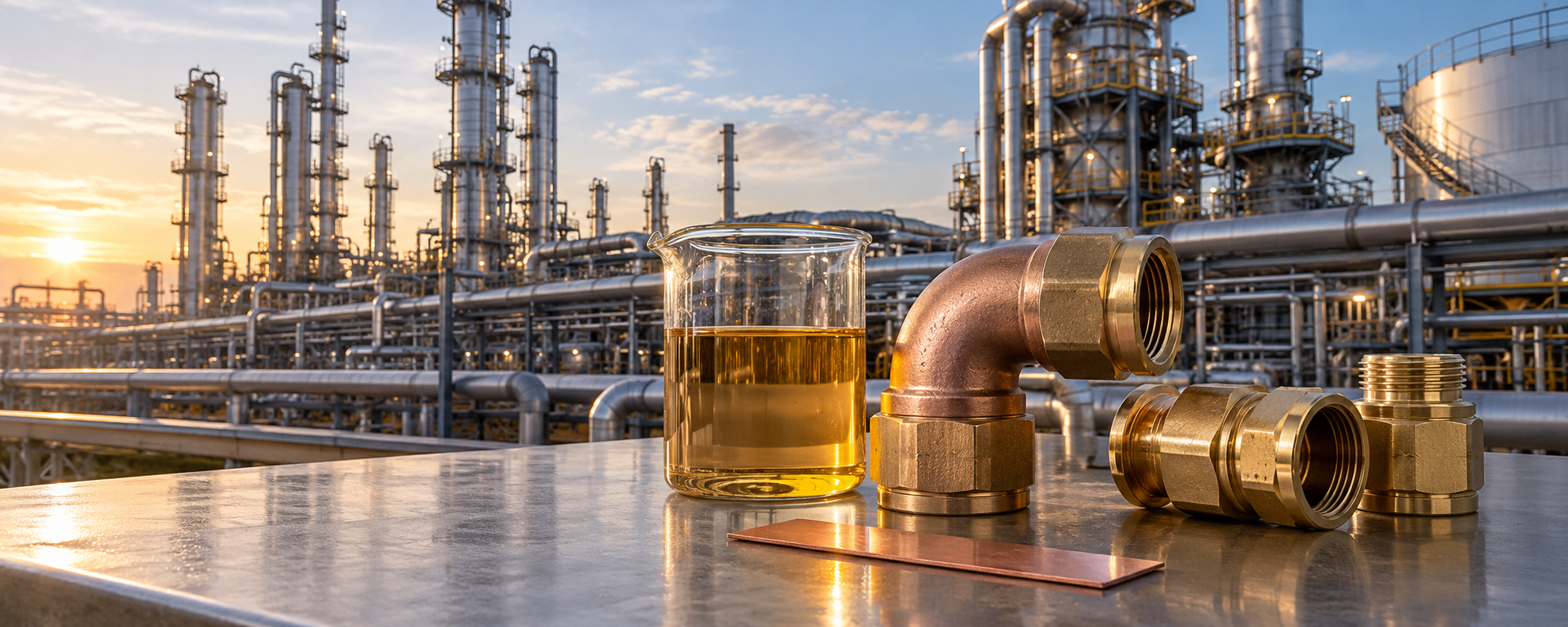
Specialized film-forming inhibitor protecting copper alloys and brass fittings in reactor cooling jackets and heat exchangers during high-shear paint milling.
Explore Chemistry →
Prevents severe swelling, hydration, and flocculation of mineral clays, talc, and silicate fillers in waterborne architectural and automotive primer recipes.
Explore Chemistry →
High-temperature protective barrier agent utilized during chemical descaling cycles in resin esterification reactors without attacking base vessel metallurgy.
Explore Chemistry →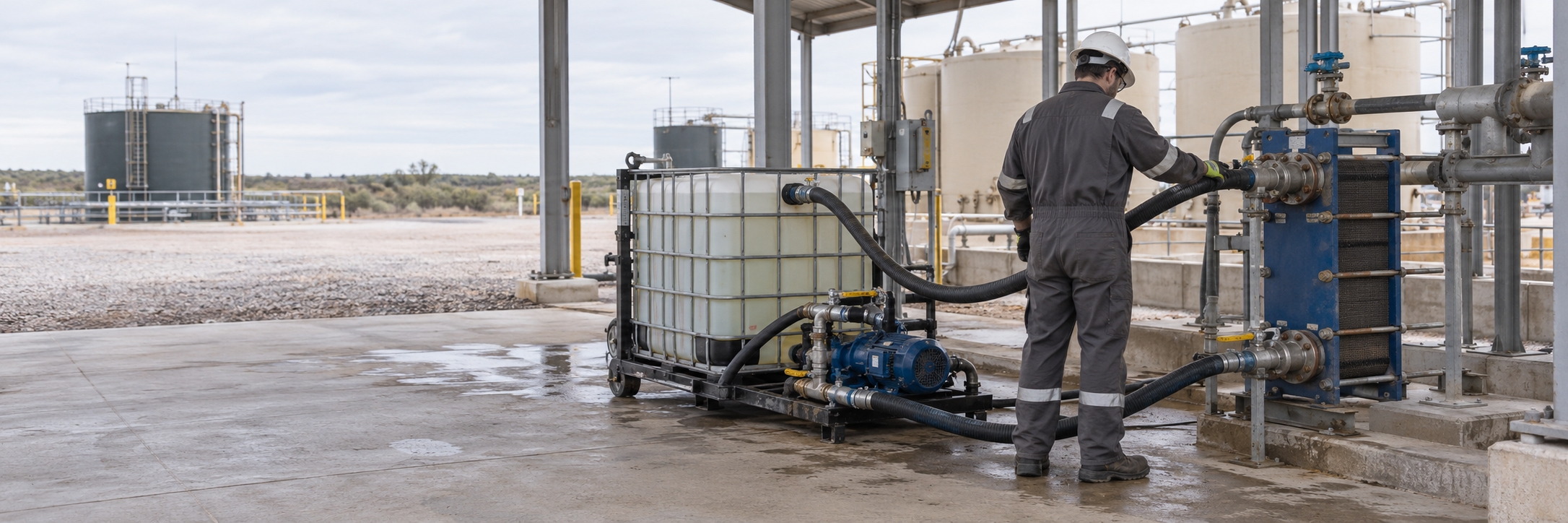
Rapidly chelates and dissolves stubborn calcium carbonate, barium sulfate, and polymer residue buildups from emulsion polymerizers and pigment wash circuits.
Explore Chemistry →Navigating the convergence of waterborne coating transformation, closed-loop sustainability, and ultra-precise thermal process controls.
The global coatings and paint manufacturing sector is undergoing an unprecedented technological transition. Stringent environmental directives like REACH, EPA Clean Air standards, and worldwide VOC reductions have accelerated the shift from solvent-borne formulations toward high-performance waterborne, radiation-curable, and powder systems. In waterborne formulations—comprising architectural emulsions, industrial acrylics, water-reducible alkyds, and automotive electrodeposition primers—process water represents between 40% and 80% of the solvent continuous phase. Consequently, raw water hardness, mineral crystallization, and fouling phenomena have emerged as severe operational bottlenecks.
Within paint production facilities, scale accumulation represents far more than an ordinary piping maintenance annoyance. Unchecked scale deposits consisting of calcium carbonate (CaCO₃), calcium sulfate (CaSO₄), magnesium silicate, and insoluble polyvalent metal soaps precipitate onto the heating and cooling jackets of resin synthesis reactors, high-speed dispersers, wet media bead mills, and recirculating chillers. A calcium carbonate scale layer as thin as 1 mm can diminish heat transfer efficiency across stainless steel reactor walls by upwards of 30% to 40%. In polycondensation reactions—such as alkyd resin cooking or polyurethane prepolymer synthesis—this thermal barrier creates uneven batch temperatures, localized overheating, extended cycle times, runaway polymerizations, and elevated energy consumption.
In response to tighter freshwater withdrawal quotas, tier-one paint manufacturers are increasingly relying on municipal reclaimed water, reverse osmosis (RO) permeate rejects, and recycled internal wash-water streams. These secondary water sources carry elevated conductivity, variable pH, and heightened concentrations of scaling cations (Ca²⁺, Mg²⁺, Ba²⁺, Sr²⁺) along with residual dispersants and ionic surfactants. Conventional polyacrylic acid (PAA) homopolymers and legacy phosphonates frequently fail under these severe cycle-up conditions, precipitating out as insoluble calcium phosphonate sludges that plug ultrafiltration membranes and fouling spray nozzles.
The contemporary coatings landscape demands multi-functional scale inhibitors that operate through a triple-action mechanism: Threshold Inhibition, Crystal Lattice Distortion, and Steric Dispersion. Advanced synthetic terpolymers, carboxylate-sulfonate-nonionic copolymers, and next-generation biodegradable polymers—such as polyaspartic acid (PASP) and polyepoxysuccinic acid (PESA)—are supplanting older chemistries. These cutting-edge molecules maintain mineral threshold suppression at low parts-per-million (ppm) dosage rates while demonstrating total non-interference with downstream coating rheology, pigment dispersion stability, film dry times, and final dry-film optical gloss.
Sub-stoichiometric binding blocks active nucleation sites on microcrystalline seed nuclei, arresting mineral crystal growth before visible scale matrices can assemble on heat transfer surfaces.
Adsorbs directly onto expanding crystalline faces, warping rhombic calcite into friable, amorphous, non-adherent spherulites that are easily swept away by bulk turbulent flow.
Imparts high negative surface electrostatic charge onto inorganic particulates, preventing agglomeration of titanium dioxide (TiO₂), calcium carbonate, and barytes in slurry loops.
Detailed technical analysis of scaling mechanisms across key process units and formulation phases.
In the production of pure acrylic, styrene-acrylic, and vinyl acetate-ethylene (VAE) polymer emulsions, exothermic runaway control is a fundamental safety and quality imperative. Polymerization reactions release substantial heat (typically 60 to 90 kJ/mol of converted vinyl monomer). Reactor jackets circulate treated cooling water at elevated velocity to maintain precise isothermal conditions, usually between 75°C and 88°C. At the jacket wall interface, thermal boundary layers cause immediate localized evaporation and temperature spikes. This triggers the inverse solubility precipitation of calcium carbonate, calcium phosphate, and magnesium hydroxide.
When scale deposits form inside these jackets, the overall heat transfer coefficient (U-value) plummets precipitously. The reactor's automated control loops compensate by throttling chilled water valves wide open, which destabilizes polymerization kinetics, yields broader molecular weight distributions (polydispersity index increase), causes batch-to-batch viscosity variance, and increases internal reactor wall skin fouling (micro-gel deposition). By dosing specialized phosphorus-free carboxylic sulfonate copolymers into the jacket loops, plants maintain design U-values across thousands of batch cycles, eliminating unplanned chemical descaling downtime.
Pigment grinding represents the most energy-intensive mechanical stage of coatings preparation. During the dispersion of titanium dioxide, carbon black, iron oxides, and organic pigments, horizontal sand mills and pearl bead mills dissipate over 90% of electrical energy input directly as kinetic frictional heat. Mill grinding chambers feature narrow annular cooling jackets with tight clearances. Hard water scaling in these jacket channels leads to sudden temperature excursions in the grinding chamber.
Thermal excursions beyond 55°C can cause binder pre-gelation, thermal shock shock-flocculation of wetting dispersants, solvent flash-off, and mechanical seal face blistering. In addition, mineral scale build-up inside mechanical seal barrier fluid reservoirs causes rapid catastrophic face wear, allowing process pigments to infiltrate external seal parts. Implementing advanced non-foaming scale inhibitors ensures pristine heat transfer across the mill stator shell while maintaining barrier fluid clarity.
| Process Unit | Primary Scaling Stressors | Target Chemical Mechanism | Operational Consequence Without Treatment |
|---|---|---|---|
| Emulsion Polymerizers | Exothermic heat flux, elevated wall skin temp, cyclic thermal stress | High-calcium tolerance carboxylate/sulfonate terpolymers | Batch thermal runaway, runaway gel formation, prolonged cycle times |
| Bead Mill Jackets & Seals | Frictional shear heating, stagnant low-velocity dead zones | Thermally stable organophosphonate / dispersant blends | Mechanical seal failure, binder scorching, pigment shock-flocculation |
| Wash-Water Recovery RO | High silica, multivalent ion concentration, surfactant carryover | Threshold polymeric silica & sulfate antiscalants | Membrane irreversible scaling, premature module replacement |
| Cathodic E-Coat Rinse Systems | Low pH immersion, acidic cross-contamination, high voltage | Non-ionic bio-compatible scale inhibitors | Pinholing, surface craters, electrical crater defects in automotive coatings |
Modern paint production generates significant volumes of wash-water containing rinse residues of latexes, pigments, coalescing solvents (e.g., Texanol, dipropylene glycol ethers), biocide packages, and defoamers. Paint manufacturers utilize physical-chemical coagulation, biological oxidation, ultrafiltration (UF), and reverse osmosis (RO) trains to recover up to 90% of this wash water for plant utilities. However, concentrating these rinses magnifies the risk of barium sulfate (BaSO₄), strontium sulfate (SrSO₄), and colloidal silica scaling on membrane leaves.
Silica and barium scales are notoriously intractable, often resisting aggressive acid or alkaline caustic cleanings and mandating premature membrane replacement. Incorporating targeted polymeric scale inhibitors with specialized silica-dispersing functionalities into the RO feed stream permits higher membrane recovery ratios (often increasing from 70% to 85%), significantly slashing wastewater generation and utility water costs.
Beyond process equipment, scale inhibition chemistry bridges into architectural paint formulations characterized by high Pigment Volume Concentrations (PVC 65–80%), such as interior matte latex coatings and exterior masonry finishes. These paints utilize extensive volumes of ground calcium carbonate (GCC), precipitated calcium carbonate (PCC), and calcined clay. Over prolonged shelf storage or during freeze-thaw cycles, free multivalent calcium ions (Ca²⁺) can leach from mineral pigment surfaces into the aqueous serum phase.
These liberated Ca²⁺ ions bind with carboxylate-stabilized acrylic latex particles, collapsing the electrical double layer and initiating syneresis, viscosity creeping, in-can phase separation, and grit formation. Utilizing sub-stoichiometric scale inhibitor-derived sequestering dispersants halts the dissolution of calcium ions and suppresses the secondary re-crystallization of mineral salts, guaranteeing a minimum of 24 months of stable can shelf-life.
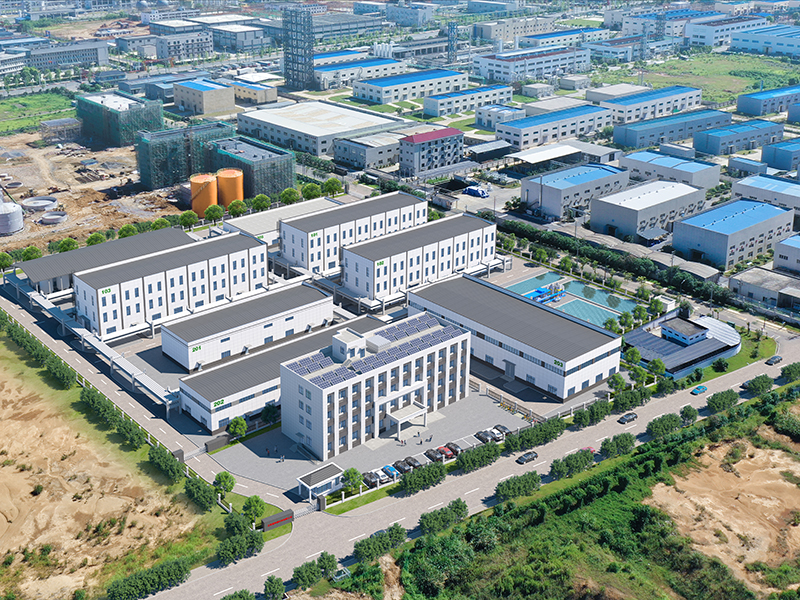
JiuJiang LANZO New Materials Technology Co., Ltd. is a dynamic and innovative chemical enterprise established in 2019 and strategically located in Jiujiang City, Jiangxi Province, China – a region well-connected to major transportation networks for efficient global logistics. We specialize in the research, development, production, and sales of high-performance chemical additives, serving a diverse range of industries including oilfield exploration, water treatment, petrochemical refining, industrial manufacturing, and coatings production.
Our product portfolio encompasses oilfield chemical additives, water treatment agents, refining and fuel additives, industrial processing aids, coating auxiliaries, and advanced new materials. Beyond our standard offerings, we pride ourselves on our ability to deliver fully customized product development solutions, tailoring chemical formulations to meet the unique specifications and performance requirements of each individual client.
Our operations and business center is headquartered in Jiujiang, Jiangxi Province. From this strategic hub, we coordinate global supply chain management, order fulfillment, and technical support across our four core businesses—oilfield chemicals, water treatment, fuel, and industrial coatings. With convenient access to major transportation networks, we ensure efficient, reliable delivery to customers worldwide.
Integrated ERP infrastructure and direct data integration with port hubs ensure complete shipment traceability, customized export packaging, and reliable cold-chain or climate-controlled transport tailored to heat-sensitive specialty paint auxiliaries and polymer inhibitors.
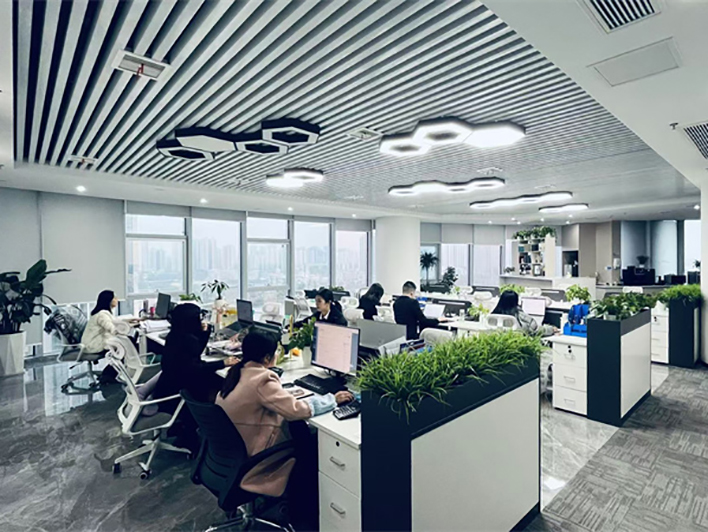
Our R&D and quality control laboratories are located in Jiangxi and Shandong provinces. Equipped with advanced testing instruments and staffed by experienced technical teams, our labs are capable of formulating and custom-developing products to meet diverse customer requirements. From raw material evaluation to finished product performance verification, every stage of laboratory testing and analysis is carried out with scientific rigor and precision.
Specialized instrumental platforms—including High-Pressure Liquid Chromatography (HPLC), Gel Permeation Chromatography (GPC) for polymer molecular weight distribution analysis, Dynamic Mechanical Analyzers, and dynamic pipe-loop fouling simulators—allow our chemists to replicate exact paint manufacturing temperatures, shear fields, and water chemistries for flawless antiscalant selection.
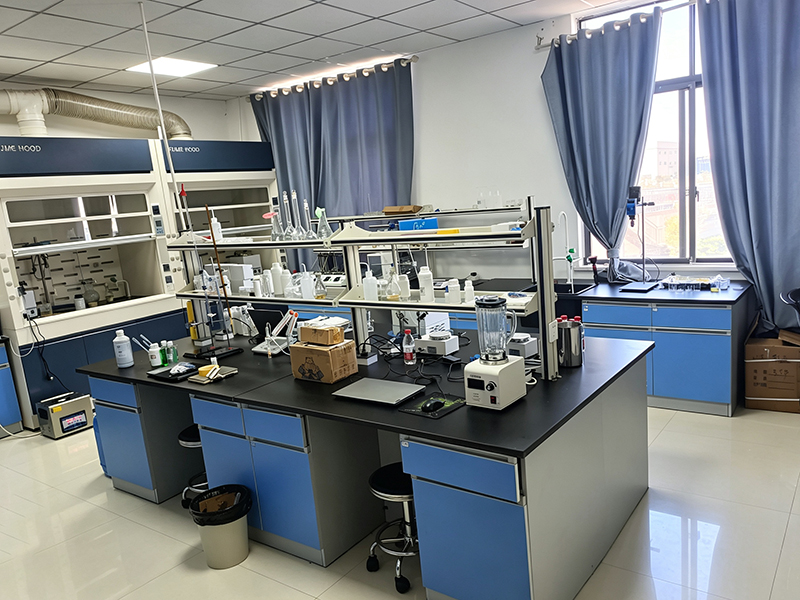
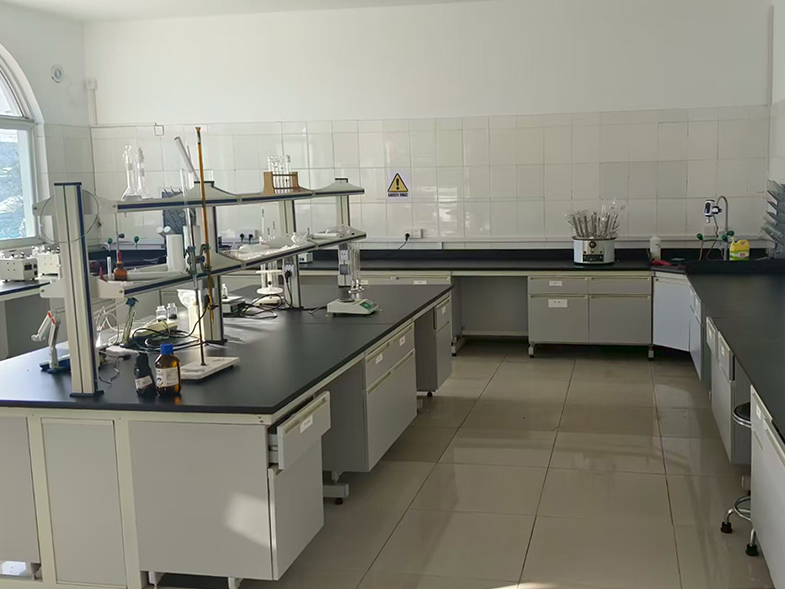
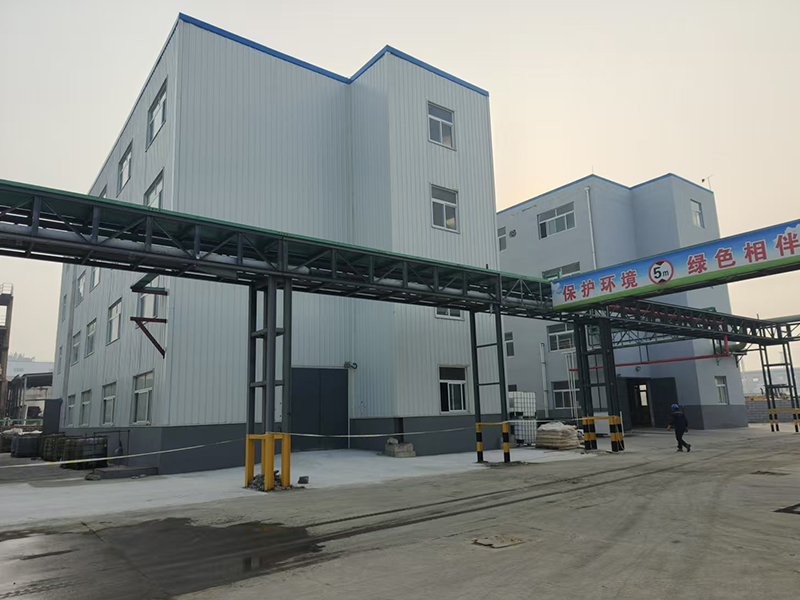
Our manufacturing facilities are located in Jiangxi and Shandong provinces, serving as our primary production centers. The Jiangxi plant is a brand-new facility equipped with state-of-the-art production lines and advanced manufacturing technologies, while our Shandong plant provides robust production capacity with years of operational excellence. Operated by skilled manufacturing teams and adhering to strict quality management systems, our factories ensure efficient, stable, and scalable production that meets both domestic and international standards.
With automated multi-stage polymerization reactors, computerized continuous addition systems, and strict zero-discharge internal wastewater scrubbing, LANZO fulfills large-scale bulk metric-ton requirements while retaining agile modularity for specialized, small-batch customer synthesis.
How digital automation and bio-inspired molecular engineering are redefining process efficiency in high-volume paint facilities.
The intersection of artificial intelligence and chemical engineering is pioneering autonomous water condition monitoring within tier-one coatings plants. Modern smart paint factories employ real-time sensor matrices measuring oxidation-reduction potential (ORP), high-frequency impedance, dissolved ion speciation, and localized heat transfer rates across milling machines and reactor skins. Machine learning algorithms analyze these telemetry streams to dynamically adjust scale inhibitor dosing in response to raw water hardness swings, eliminating costly chemical over-dosing and scale breakthroughs before they occur.
Furthermore, structural molecular modeling powered by computational chemistry allows LANZO chemists to simulate the binding affinity of polymer chains to specific crystal facets (e.g., calcite {104} face versus aragonite {110} face) in silico. This drastically accelerates the discovery of eco-friendly, fully bio-based scale inhibitors synthesized from modified carbohydrates, lignin derivatives, and polyamino acids, ensuring that modern coatings plants meet strict ESG mandates while elevating production output.
Explore our complete spectrum of corrosion control, mineral inhibition, and equipment restoration solutions engineered for industrial coatings and chemical processing.
High-affinity heterocyclic azole formula safeguarding copper and bronze alloy components in recirculating paint manufacturing chillers.
View Specifications →
Advanced polyamine-based clay stabilization additive suppressing mineral swelling and rheological drift in mineral coating formulations.
View Specifications →
Formulated organic inhibitor ensuring zero base-metal pitting during aggressive chemical acid cleanouts of resin cooking vessels.
View Specifications →
Fast-acting chelation chemistry eliminating stubborn insoluble scale conglomerates and mineral deposits across process flow paths.
View Specifications →
Specialized molecular film inhibitor providing yellow metal protection under high-velocity coolant conditions in milling machinery.
View Specifications →
Targeted dispersion and swelling control agent ensuring stable hydration volume of kaolin and bentonite in architectural slurries.
View Specifications →
Thermally stable acidic flushing additive engineered for zero vessel loss during restorative jacket cleaning operations.
View Specifications →
Concentrated neutral-to-alkaline formulation stripping heavy crystalline crusts, phosphate films, and binder scales safely.
View Specifications →


