
 EN
EN
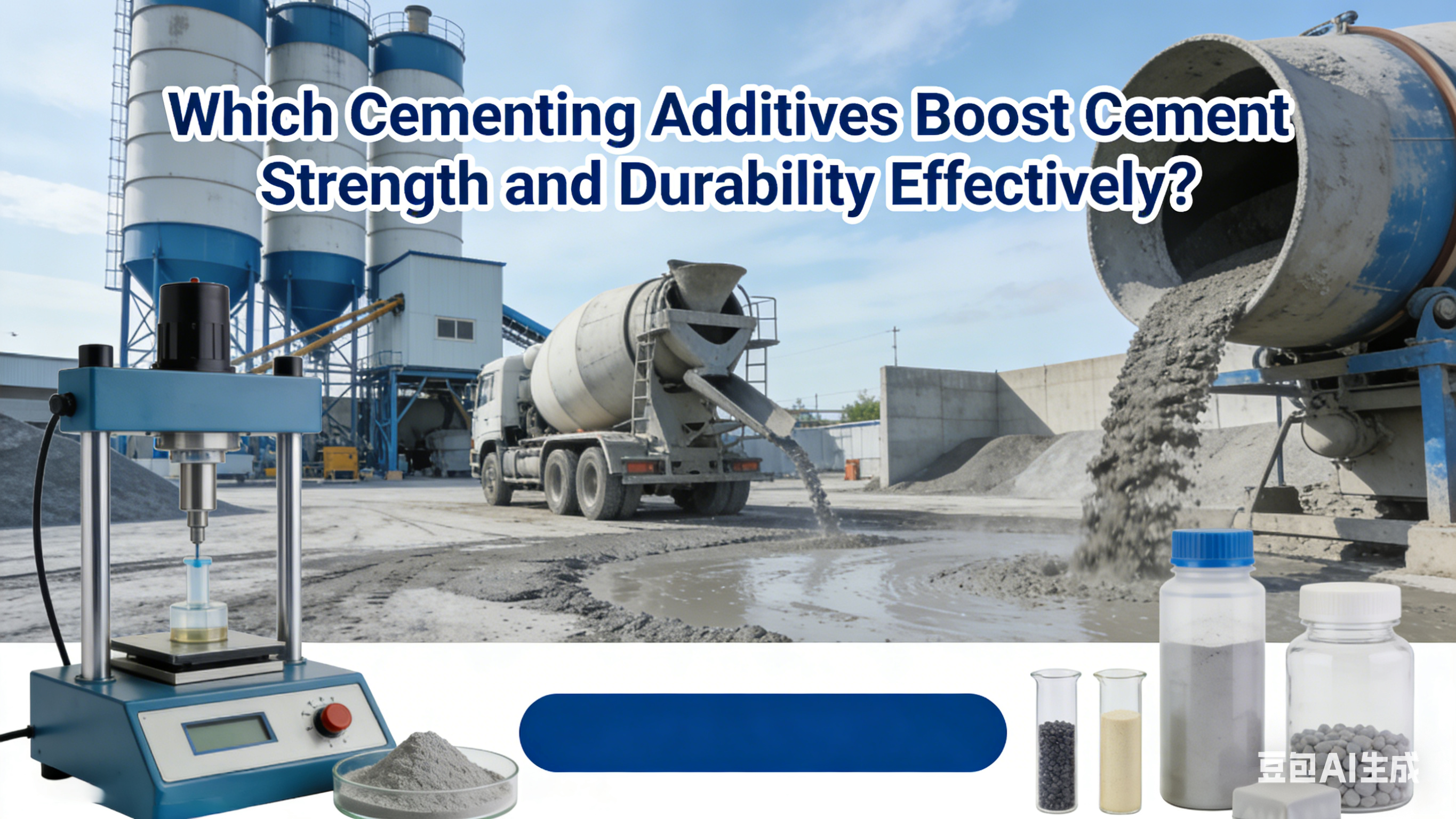
Tajuk: Bagaimana Aditif Pengikat Meningkatkan Kekuatan dan Ketahanan – Panduan Lengkap
Meta Description: Ketahui aditif pengikat manakah yang secara berkesan meningkatkan kekuatan mampatan, menghalang migrasi gas, dan memastikan pengasingan zon jangka panjang. Pelajari bagaimana aditif pengikat yang sesuai menyelesaikan cabaran bawah lubang.
Dalam pembinaan telaga minyak dan gas, lapisan simen merupakan barisan pertahanan terakhir anda. Namun, simen Portland tulen sahaja jarang dapat bertahan dalam keadaan bawah lubang yang keras. Di sinilah bahan tambahan pembasmian masuk.
Bahan tambah pengikat simen adalah bahan kimia khas dan bahan-bahan yang dicampurkan ke dalam slurri simen untuk mengubah sifat-sifatnya—sama ada masa pekatan, kehilangan cecair, ketumpatan, atau ciri-ciri set akhir. Apabila dipilih dengan betul, bahan tambah ini bukan sahaja membantu simen menetap; malah secara ketara meningkatkan kekuatan dan ketahanan Jangka Panjang .
Jadi, bahan tambah pengikat simen manakah yang perlu anda utamakan? Di bawah ini adalah jenis-jenis yang paling berkesan, dikategorikan mengikut cabaran yang diselesaikannya.
1. Tepung Silika – Bahan Tambah Pengikat Simen untuk Suhu Tinggi
Apabila suhu melebihi 230°F (110°C), simen konvensional mengalami regresi kekuatan —ia menjadi lemah dan rapuh.
-
Fungsi: Tepung silika bertindak balas dengan kapur untuk membentuk hidrat silikat kalsium yang stabil (tobermorit/xonotlit).
-
Kekuatan & Ketahanan: Mencegah penurunan kekuatan pada suhu tinggi dan mengurangkan ketelapan.
-
Terbaik Untuk: Lubang bor tekanan-tinggi-suhu-tinggi (HPHT), lubang bor geoterma, lubang bor gas dalam.
Jika anda beroperasi dalam persekitaran suhu tinggi, berasaskan silika bahan tambahan pembasmian adalah tidak boleh dirundingkan.
2. Mikrosilika (Debu Silika) – Penyusun Mikrostruktur
Mikrosilika merupakan salah satu bahan tambah pengikat simen yang paling berkesan untuk meningkatkan sifat mekanikal dan mengurangkan ketelapan.
-
Fungsi: Zarah ultra-halus mengisi ruang kosong di antara butiran simen, membentuk matriks yang padat.
-
Kekuatan & Ketahanan: Meningkatkan kekuatan mampatan sehingga 30%, mengurangkan ketelapan hampir kepada sifar, dan menghalang pemisahan pepejal dalam slurri berketumpatan tinggi.
-
Terbaik Untuk: Pengikatan simen di kawasan air dalam, formasi gas ketat, dan sebarang aplikasi yang memerlukan ikatan unggul.
3. Bahan Tambah Lateks (Polimer) – Pencegah Penghijrahan Gas
Penghijrahan gas merupakan punca utama tekanan selubung berterusan (SCP). Bahan tambah pengikat simen berbasis lateks menyediakan halangan yang fleksibel dan tidak telap.
-
Fungsi: Membentuk lapisan polimer di dalam matriks simen, merentasi ruang pori dan menghalang kehilangan cecair.
-
Kekuatan & Ketahanan: Meningkatkan kekuatan tegangan dan kekuatan lekatan; memberikan kelenturan untuk menahan beban kitaran.
-
Terbaik Untuk: Lubang gas, anulus di mana risiko penghijrahan gas adalah tinggi.
4. Bahan Tambahan Kawalan Kehilangan Cecair – Memastikan Integriti Sluri
Jika sluri simen kehilangan air ke formasi telap, nisbah air-kepada-simen berubah secara tidak dapat diramalkan, menyebabkan simen yang lemah dan tidak seragam.
-
Fungsi: Polimer membentuk lapisan penapis bertelap rendah untuk mengekalkan air dalam sluri.
-
Kekuatan & Ketahanan: Menjamin pembangunan kekuatan mampatan yang konsisten dan menghilangkan saluran.
-
Terbaik Untuk: Formasi telap, lajur simen yang panjang, lubang mengufuk.
5. Elastomer & Pelentur – Penyelesaian Sedia-Frak
Penyelesaian moden kerap melibatkan frak hidraulik dan pengeluaran kadar tinggi, yang memberikan kesan hentakan mekanikal teruk terhadap selubung simen.
-
Fungsi: Zarah getah atau polimer lentur bertindak sebagai penyerap hentakan di dalam simen yang telah mengeras.
-
Kekuatan & Ketahanan: Memberikan kelenturan, membolehkan simen mengembang dan mengecut tanpa retak—penting untuk mengekalkan pengasingan zon sepanjang hayat lubang.
-
Terbaik Untuk: Lubang sumur serpih tidak konvensional, fraktur berperingkat banyak, dan suntikan stim uap berkala.
6. Perencat Korosi & Penangkap CO₂ – Ketahanan Jangka Panjang
Dalam persekitaran yang mengandungi CO₂ atau H₂S, simen tanpa perlindungan akan terdegradasi seiring masa, menyebabkan kehilangan pengasingan zon.
-
Fungsi: Bahan tambah hidrofobik (contohnya lateks, resin) membentuk halangan; penangkap kimia meneutralkan gas berasid.
-
Kekuatan & Ketahanan: Mencegah karbonasi dan serangan sulfida, memastikan sarung simen tahan selama beberapa dekad.
-
Terbaik Untuk: Lubang sumur penangkapan karbon, medan gas masam, projek pemulihan minyak lanjutan (EOR).
Memilih Bahan Tambah Simen yang Sesuai untuk Sumur Anda
Reka bentuk slurri yang berkesan memerlukan penyesuaian kombinasi bahan tambah simen yang tepat dengan keadaan bawah permukaan khusus anda:
| Jenis Lobang | Bahan Tambah Simen yang Disyorkan |
|---|---|
| Deepwater | Kawalan kehilangan cecair, perencat hidrat gas, mikrosilika |
| HPHT | Tepung silika, perencat, bahan tambah kehilangan cecair suhu tinggi |
| Tak Konvensional (Serpih) | Elastomer, pelentur, lateks |
| Perkhidmatan Masam (CO₂/H₂S) | Perencat kakisan, lateks, sistem resin |
Fikiran Akhir
Bahan tambah simen bukanlah pilihan tambahan—ia adalah alat penting untuk kejuruteraan selubung simen yang memberikan kekuatan, ketahanan, dan pengasingan zon sepanjang hayat sumur sepenuhnya. Sama ada anda sedang menangani migrasi gas, suhu tinggi, atau tekanan retakan, bahan tambah yang sesuai menentukan perbezaan antara penyelesaian yang boleh dipercayai dengan kerja pemulihan yang mahal.
Perlukah bantuan memilih bahan tambah simen yang sesuai untuk sumur seterusnya?
[Hubungi pasukan teknikal kami] untuk merekabentuk campuran berprestasi tinggi yang disesuaikan dengan keadaan bawah lubang anda.
Kandungan
- 1. Tepung Silika – Bahan Tambah Pengikat Simen untuk Suhu Tinggi
- 2. Mikrosilika (Debu Silika) – Penyusun Mikrostruktur
- 3. Bahan Tambah Lateks (Polimer) – Pencegah Penghijrahan Gas
- 4. Bahan Tambahan Kawalan Kehilangan Cecair – Memastikan Integriti Sluri
- 5. Elastomer & Pelentur – Penyelesaian Sedia-Frak
- 6. Perencat Korosi & Penangkap CO₂ – Ketahanan Jangka Panjang
- Memilih Bahan Tambah Simen yang Sesuai untuk Sumur Anda
- Fikiran Akhir