Welcome to JiuJiang LANZO New Materials Technology Co., Ltd.


- Home
- Products
- About Us
- Customized Process
- Applications/Solution
- News
- Contact Us
Leave Your Message
Welcome to JiuJiang LANZO New Materials Technology Co., Ltd.
Engineered chemical formulations designed to enhance hydrodesulfurization unit kinetics, suppress refractory organosulfur compounds, and boost cetane quality in continuous refining streams.
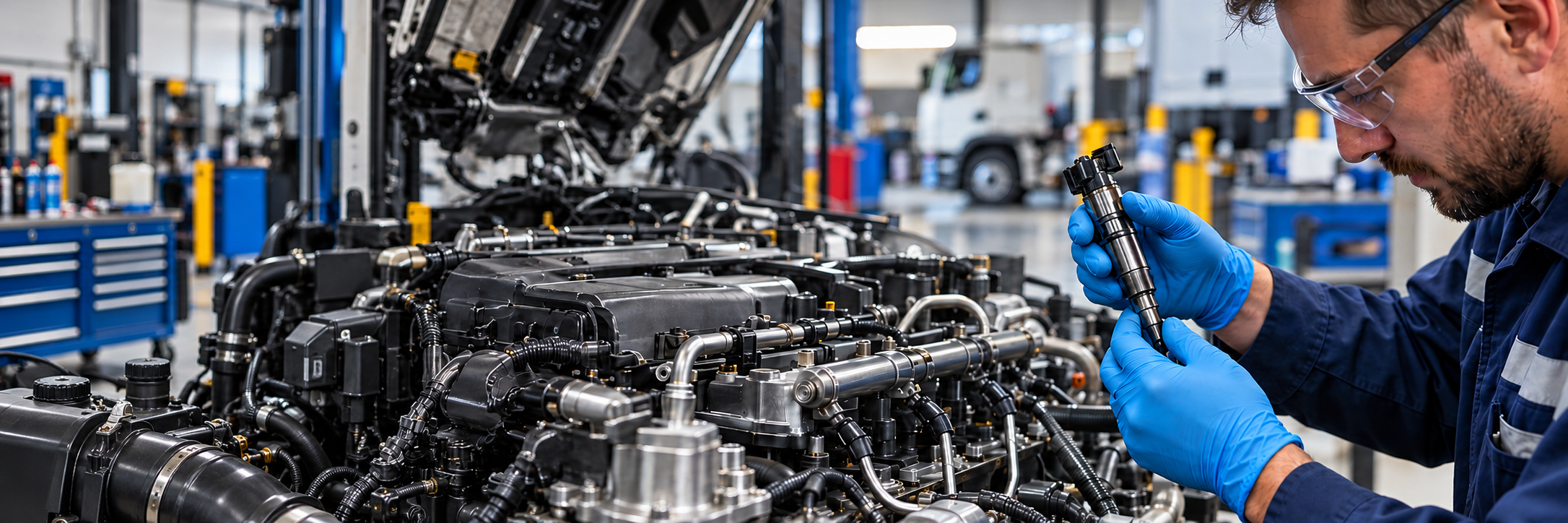
High-performance detergent and dispersant preventing injector carbonization and gummy deposits while stabilizing desulfurized fuel blends against thermal degradation.
Improves hydrogenation kinetics over CoMo and NiMo catalyst beds, dramatically lowering the steric hindrance of 4,6-dimethyldibenzothiophene during ULSD processing.
Facilitates deep non-hydrogen oxidation of refractory cyclic sulfones under atmospheric temperatures and pressures, ideal for modular refining operations.
Compensates for the extreme loss of natural polar lubricating film in ultra-low sulfur diesel, safeguarding common-rail fuel injection pumps from premature wear.
Navigating regulatory pressures, heavier crude slates, and environmental decarbonization in modern refinery operations.
The global refining industry is operating within an era defined by stringent fuel quality specifications and strict decarbonization policies. Across North America, the European Union, China, and Asia-Pacific, statutory requirements such as Euro VI, China VI, and US EPA Tier 3 have mandated that maximum sulfur concentrations in on-road automotive diesel fuel must not exceed 10 parts per million (ppm). Furthermore, the International Maritime Organization (IMO 2020) sulfur cap of 0.50% m/m for marine distillates has exerted monumental pressure on petrochemical plants to treat heavier gas oils, vacuum gas oils (VGO), and blended middle distillates.
Historically, straight-run gas oils (SRGO) derived from sweet crude could be desulfurized under moderate operating pressures (3.0 to 5.0 MPa) and standard hydrotreating catalysts. However, the depletion of light, sweet crude reserves has forced petrochemical complexes to process heavier, sour, and unconventional crude slates. These feeds are characterized by substantial fractions of aromatic hydrocarbons, polycyclic structures, nitrogen compounds, and refractory organosulfur species. As refiners incorporate larger proportions of cracked feedstocks—such as light cycle oil (LCO) from fluid catalytic cracking (FCC) units and coker diesel from delayed coking facilities—the chemical complexity of the hydrotreating reactor feed increases exponentially.
Refractory compounds like 4,6-dimethyldibenzothiophene (4,6-DMDBT) present methyl groups that physically obstruct sulfur atoms from contacting catalytic active sites, necessitating severe temperature and pressure regimes.
Severe deep hydrotreating consumes vast quantities of hydrogen (H2) and triggers undesirable secondary saturation of aromatic rings, leading to elevated refinery carbon emissions and soaring utility overheads.
High nitrogen contents and heavy polyaromatic resins in cracked diesel blends induce competitive adsorption on catalyst acid sites, accelerating coke deposition and shortening turnaround cycles.
Examining catalytic hydrodesulfurization (HDS), oxidative transformation (ODS), and selective adsorption mechanisms.
Conventional Hydrodesulfurization remains the technological backbone of global middle distillate hydroprocessing. Operating within fixed-bed trickle-phase reactors at temperatures between 320°C and 390°C and pressures spanning 4.0 to 10.0 MPa, sulfur atoms within mercaptans, sulfides, disulfides, and simple thiophenes are readily cleaved via direct desulfurization (DDS). The reaction yields hydrogen sulfide (H2S), which is subsequently stripped out and converted into elemental sulfur within Claus gas recovery units.
However, when sulfur is embedded in refractory dibenzothiophenes, the Direct Desulfurization pathway is severely restricted. In these instances, sulfur extraction must proceed through the Hydrogenation (HYD) pathway, wherein one or both adjacent aromatic rings are pre-hydrogenated to eliminate steric resistance before C-S bond cleavage occurs. This step demands state-of-the-art multi-metallic catalysts—predominantly cobalt-molybdenum (CoMo/Al2O3) or nickel-molybdenum (NiMo/Al2O3) promoted by titanium or phosphorus oxides—and specialized chemical additive promoters that boost localized hydrogen partial pressure and surface dispersion.
To overcome the excessive CAPEX and hydrogen dependency of high-pressure HDS, petrochemical engineers have commercialized Oxidative Desulfurization (ODS). Under mild operating conditions (50°C to 80°C, atmospheric pressure), sulfur species are selectively converted by liquid-phase oxidants (such as hydrogen peroxide, organic peracids, or tert-butyl hydroperoxide) in the presence of transition metal catalysts (phosphotungstic acid, titanosilicates). Because sulfur atoms have high electron density in thiophenic compounds, they oxidize into polar sulfoxides and sulfones. These oxidized species can then be extracted via green solvent partitioning or selective polar adsorbent matrices without degrading fuel volume yield.
Reactive adsorption desulfurization utilizes engineered metal-promoted sorbents (such as zinc oxide supported on mesoporous silica-alumina). In this system, sulfur atoms chemically bond with the metal sorbent while the hydrocarbon portion is released back into the diesel matrix. The spent sorbent continuously transfers to an oxygenated regenerator where sulfur is burned off as sulfur dioxide (SO2) and the metal oxide is restored. This chemical route avoids severe olefin or aromatic saturation, preserving octane/cetane profiles while saving valuable hydrogen.
In modern integrated refinery flowsheets, crude distillation units (CDU) deliver Straight Run Gas Oil (SRGO), which is blended with severe secondary streams such as Light Cycle Oil (LCO) from catalytic crackers and Coker Gas Oil (CGO) from coking units. LCO contains up to 80% aromatic hydrocarbons and elevated levels of basic organic nitrogen (quinolines, indoles, and carbazoles), which poison catalytic hydrogenation sites.
JiuJiang LANZO provides high-performance chemical additives that act as phase-transfer catalysts, demulsifiers, and fouling inhibitors. These specialized auxiliaries prevent gum formation in heat exchangers, disperse heavy organosulfur complexes, and facilitate smoother catalyst-feed interfaces, ensuring consistent desulfurization performance below the 10 ppm ULSD barrier.
Transitioning toward bio-feedstock co-processing, AI-driven digital catalyst monitoring, and zero-carbon emissions.
As the petrochemical industry balances fuel supply mandates with net-zero roadmaps, diesel desulfurization technology is undergoing rapid transformation across three primary technological frontiers:
1. Co-Processing Renewable Feeds with Petroleum Middle Distillates: Refineries are increasingly feeding Hydrotreated Vegetable Oils (HVO), used cooking oil (UCO), and animal tallows into existing gas oil hydrotreaters. The co-processing of triglycerides alongside fossil diesel alters reaction thermodynamics, producing high yields of water, carbon dioxide, and carbon monoxide that compete with sulfur removal reactions. Advanced chemical stabilizers and surfactant additives prevent organic phase separation and suppress side reactions.
2. Artificial Intelligence and Predictive Kinetic Modeling: Advanced petrochemical complexes are deploying neural-network-based digital twins to monitor catalyst bed temperatures, bed pressure drops, and sulfur slip in real time. AI algorithms dynamically adjust hydrogen-to-oil ratios, quench gas flows, and additive dosage rates to match fluctuating feedstock densities, maximizing bed service life by up to 25%.
3. Biodesulfurization (BDS) and Enzymatic Pathways: Biotechnology has introduced non-destructive desulfurization routes utilizing biocatalytic strains (such as Rhodococcus erythropolis) through the "4S metabolic pathway." These microbial biocatalysts specifically excise sulfur atoms from refractory thiophenes without burning the carbon backbone or requiring high-pressure thermal inputs, providing a green alternative for low-footprint downstream refining.
Global leader in custom chemical auxiliaries, fuel additives, and advanced petrochemical process engineering.
JiuJiang LANZO New Materials Technology Co., Ltd. is a dynamic and innovative chemical enterprise established in 2019 and strategically located in Jiujiang City, Jiangxi Province, China – a region well-connected to major transportation networks for efficient global logistics. We specialize in the research, development, production, and sales of high-performance chemical additives, serving a diverse range of industries including oilfield exploration, water treatment, petrochemical refining, industrial manufacturing, and coatings production.
Our product portfolio encompasses oilfield chemical additives, water treatment agents, refining and fuel additives, industrial processing aids, coating auxiliaries, and advanced new materials. Beyond our standard offerings, we pride ourselves on our ability to deliver fully customized product development solutions, tailoring chemical formulations to meet the unique specifications and performance requirements of each individual client.

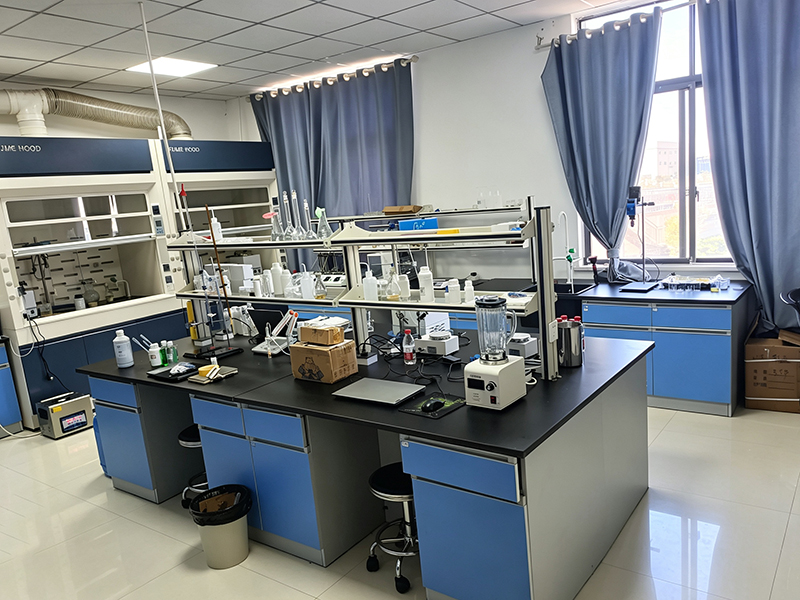
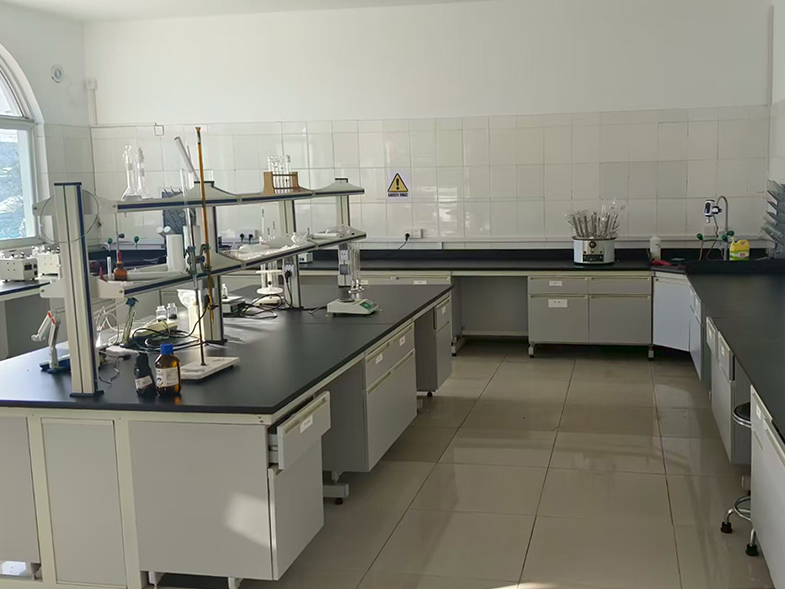
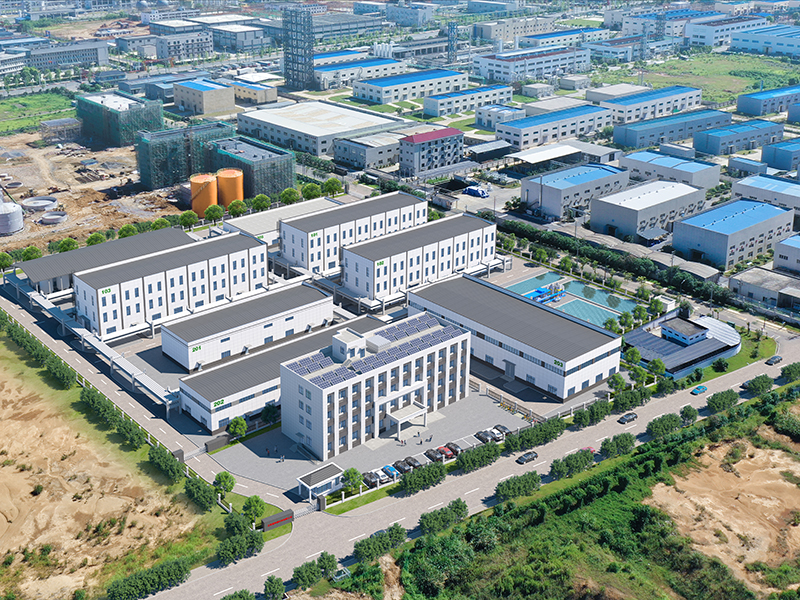
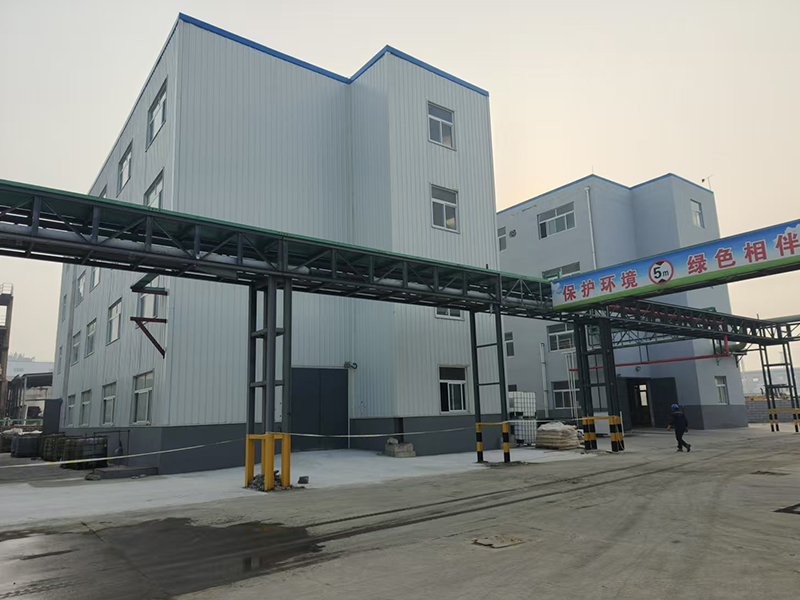
Our manufacturing facilities are located in Jiangxi and Shandong provinces, serving as our primary production centers. The Jiangxi plant is a brand-new facility equipped with state-of-the-art production lines and advanced manufacturing technologies, while our Shandong plant provides robust production capacity with years of operational excellence. Operated by skilled manufacturing teams and adhering to strict quality management systems, our factories ensure efficient, stable, and scalable production that meets both domestic and international standards.
Explore our complete catalog of industrial refining agents, fuel conditioners, and desulfurization boosters designed for harsh processing environments.
Essential additive formulated to disperse polar contaminants, prevent deposit accumulation, and stabilize hydrotreated diesel blends.
Rapidly neutralizes toxic H2S vapors in crude distillation overheads, diesel stripper columns, and storage tanks.
Traps trace nickel, vanadium, and silicon from feedstocks before reaching the main desulfurization catalytic bed.
Enhances diesel ignition delay characteristics and combustion efficiency following severe hydrotreating saturation.
Prevents polythionic acid and ammonium bisulfide stress corrosion cracking in reactor effluent air coolers and piping.
Modifies paraffin crystal growth in deep-desulfurized diesel, lowering cold filter plugging points (CFPP) significantly.
Inhibits peroxide formation, discoloration, and sediment generation during extended storage of cracked fuel blends.
Restores electrical conductivity to ultra-low sulfur diesel, eliminating dangerous electrostatic discharge hazards during fuel handling.


