Welcome to JiuJiang LANZO New Materials Technology Co., Ltd.


Leave Your Message
0%

In industrial applications, corrosion rarely arrives with a warning. It starts beneath insulation, inside a heat exchanger, or around a threaded joint. A small rust spot can signal thinning metal, leaking process fluid, and an unplanned shutdown. Corrosion Inhibitor helps slow these electrochemical reactions. It may form a protective film or change the local chemical environment. This protection can extend equipment life and support stable production. It does not repair damaged steel. That distinction matters.

Selecting an inhibitor requires field evidence, not a generic promise. Engineers examine water chemistry, temperature, flow velocity, metallurgy, and contaminant levels. A product that works in a closed-loop cooling system may fail in an acidic cleaning line. Operators should review dosage records, inspection readings, and compatibility data before full-scale use. Coupons, probes, and laboratory tests can reveal performance under actual conditions. Yet testing has limits. Field conditions change, and deposits can hide developing attack. Good corrosion management combines inhibitor treatment with monitoring, maintenance, and sound operating practices. Suppliers should provide clear technical data and safety guidance. Plant teams should verify results independently. The goal is not to eliminate every risk. It is to control measurable risk before corrosion becomes an expensive incident. In practice, the best program may change after the first inspection. That is not failure. It is responsible engineering.
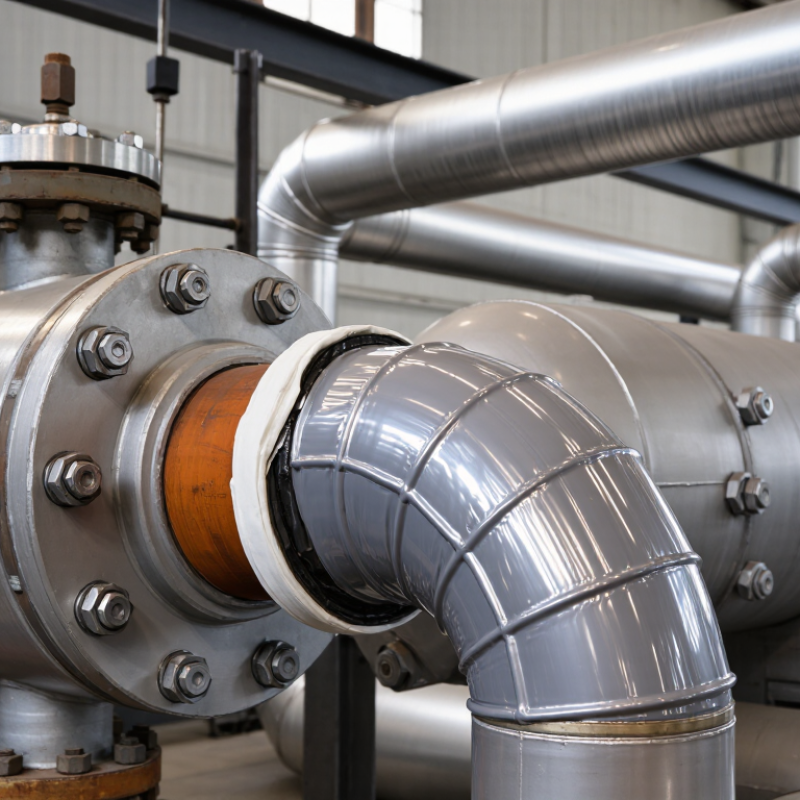
Why Use Corrosion Inhibitor for Industrial Applications?

What Corrosion Inhibitors Are and How They Work

Corrosion inhibitors are chemicals added in small, controlled amounts to reduce metal damage. They are used in cooling systems, pipelines, boilers, storage tanks, and process equipment. An inhibitor does not make steel permanently immune. Instead, it changes the metal’s contact with water, oxygen, salts, or acidic compounds.

Many inhibitors work by forming a thin protective film on the metal surface. Some attach directly to the surface and block aggressive ions. Others slow the reactions at the anode or cathode, where corrosion develops.

Oxygen scavengers remove dissolved oxygen from water. Film-forming compounds can also reduce friction between metal and flowing liquid. In practice, performance depends on concentration, temperature, pH, flow speed, and water quality. A product that works well in a quiet tank may fail inside a fast pipeline. That detail is easy to miss.

Tips: Test the water first. Check metal compatibility. Measure inhibitor levels regularly. Keep records of pH, temperature, and corrosion rates. Do not assume more chemical means better protection. Excess dosing can increase costs, disturb wastewater treatment, or create unexpected deposits. Field testing remains important because laboratory results cannot reproduce every industrial condition. Recheck the system after maintenance, process changes, or unusual water contamination.

Which Industrial Materials and Systems Need Corrosion Protection

Industrial corrosion protection starts with identifying where metal, water, oxygen, and contaminants meet. Carbon-steel pipelines are especially vulnerable, particularly at welds, dead legs, and low-flow sections. Storage tanks also require protection because settled water can create aggressive conditions beneath sediments. Heat exchangers, boilers, and cooling-water circuits face another risk: warm, moving water accelerates electrochemical attack and deposits.

A practical corrosion inhibitor can support these systems by forming a protective film on exposed metal. It may also reduce pitting inside narrow tubes and under deposits. Field maintenance teams should evaluate carbon steel, copper alloys, stainless steel, galvanized components, and mixed-metal assemblies separately. One formulation rarely protects every material equally well. Compatibility matters.

The NACE IMPACT Study estimated that corrosion costs the global economy about 2.5 trillion dollars annually, equal to roughly 3.4% of global GDP. It also reported that 15–35% of corrosion costs could be avoided through better management practices. These figures are broad estimates, not plant-specific guarantees. Monitoring remains essential.

Operators should combine inhibitor treatment with water analysis, corrosion coupons, inspection data, and dosage control. A perfect inhibitor does not exist. Overdosing can increase cost, complicate wastewater management, or damage sensitive equipment. Under-dosing may leave hidden pitting untouched. The difficult part is not selecting a chemical alone; it is matching protection to operating temperature, flow, metallurgy, and contamination levels.

How Corrosion Damages Equipment, Operations, and Product Quality

Why Use Corrosion Inhibitor for Industrial Applications?

How Corrosion Damages Equipment, Operations, and Product Quality

Corrosion often begins quietly inside carbon steel pipes, tanks, and heat exchangers. Small pits can deepen beneath deposits, weakening metal without obvious surface damage. During field inspections, technicians may find rusty flakes blocking strainers and narrowing flow paths. A suitable corrosion inhibitor forms a protective film on exposed metal surfaces. This reduces electrochemical reactions caused by water, oxygen, salts, and process chemicals. Protection must match the system’s temperature, metallurgy, pH, and operating conditions.

The operational impact can be severe. Corroded heat exchanger tubes transfer heat poorly and consume more energy. Leaking lines can force unplanned shutdowns, delayed deliveries, and expensive emergency repairs. Corrosion debris may also damage pumps, valves, and instrumentation. These failures rarely appear alone. One weakened component can disturb an entire production schedule. Regular inspection helps, but inspection alone cannot prevent ongoing metal loss.

Product quality suffers when corrosion particles enter the process. Brown discoloration, metallic odors, blocked filters, and unstable formulations can trigger rejected batches. In food, pharmaceutical, and chemical production, even trace contamination deserves careful investigation. Operators should verify inhibitor concentration through documented sampling, corrosion coupons, or electronic probes. More inhibitor is not always better. Overdosing can create foam, deposits, or unwanted chemical residues. A practical program combines treatment, monitoring, and periodic laboratory testing. It also requires honest review when results do not match expectations.

What Types of Corrosion Inhibitors Suit Different Applications

Why Use Corrosion Inhibitor for Industrial Applications?

Industrial corrosion is not merely a maintenance issue; it threatens safety, efficiency, and asset life. The NACE IMPACT study estimated global corrosion costs at US$2.5 trillion annually, equal to 3.4% of global GDP. It also reported that 15–35% of these costs could be reduced through effective corrosion management. In real plants, the correct inhibitor can protect pipe walls, heat exchangers, storage tanks, and process equipment.

Different applications require different inhibitor chemistries. Anodic inhibitors help form protective films at metal oxidation sites. Cathodic inhibitors reduce hydrogen evolution or oxygen reduction. Filming amines suit many closed-loop systems because they create a thin barrier on steel surfaces. Oxygen scavengers are useful in boiler feedwater, where dissolved oxygen accelerates pitting. Volatile corrosion inhibitors can protect enclosed equipment during storage or shipment. The choice depends on temperature, pH, flow velocity, metallurgy, and water chemistry. No universal formula exists.

For cooling-water systems, operators often monitor inhibitor residuals, conductivity, and corrosion coupons together. Oil and gas facilities may require film-forming products that tolerate hydrocarbons and high salinity. Pickling operations need carefully controlled inhibitors to limit acid attack without slowing cleaning. AMPP guidance emphasizes testing under actual operating conditions. Laboratory results can mislead. Field trials matter. A practical weakness remains: overdosing may increase cost, wastewater loading, or process instability. Regular inspection and data review are still necessary.

Why Use Corrosion Inhibitor for Industrial Applications? - What Types of Corrosion Inhibitors Suit Different Applications

Corrosion Inhibitor Type Typical Chemistry Primary Protection Mechanism Best-Fit Industrial Applications Suitable Materials Main Advantages Important Limitations Key Control Parameters
Anodic Inhibitors Chromate-free molybdates, phosphates, nitrites, and silicates Promote or reinforce a passive oxide film at anodic sites Closed-loop cooling water, chilled-water systems, hydronic heating systems, and some process-water circuits Carbon steel, cast iron, and selected stainless steels Effective for reducing general corrosion when concentration and water chemistry are controlled Insufficient concentration can cause localized attack; some chemistries may contribute to nutrient discharge or toxicity concerns Inhibitor residual, pH, conductivity, alkalinity, dissolved oxygen, and microbiological activity
Cathodic Inhibitors Zinc salts, polyphosphates, and selected oxygen-reduction control chemicals Reduce the cathodic reaction, such as oxygen reduction or hydrogen evolution Industrial cooling-water systems, water-treatment circuits, and selected aqueous process systems Carbon steel and iron-based alloys Can provide stable protection over a broad surface area and may complement anodic inhibitors May increase sludge or scale formation; performance depends strongly on pH, hardness, and water turnover Residual concentration, pH, calcium hardness, suspended solids, and blowdown rate
Organic Film-Forming Inhibitors Imidazolines, amines, amidoamines, fatty-acid derivatives, and surfactant-based formulations Adsorb onto the metal surface and create a hydrophobic protective film Oil and gas production, pipelines, gathering systems, refineries, and multiphase hydrocarbon transport Carbon steel and low-alloy steel Useful in systems containing water, carbon dioxide, hydrogen sulfide, or acidic production fluids Film stability can be affected by flow rate, temperature, solids, emulsions, and chemical compatibility Injection rate, iron content, water cut, temperature, pressure, flow regime, and corrosion rate
Volatile Corrosion Inhibitors Volatile amines and vapor-phase organic inhibitor compounds Vaporize and condense on metal surfaces, forming a protective adsorbed layer Temporary protection of stored equipment, enclosed vessels, packaged components, and idle pipelines Steel, iron, copper, and selected nonferrous components, depending on formulation Protects difficult-to-reach internal surfaces without direct liquid contact Requires an enclosed or sufficiently confined space; effectiveness decreases with ventilation and moisture ingress Enclosure integrity, humidity, exposure time, temperature, and inhibitor distribution
Oxygen Scavengers Sulfite or bisulfite compounds, hydrazine alternatives, and certain organic reducing agents Remove dissolved oxygen that accelerates cathodic corrosion Boiler feedwater, deaeration systems, steam condensate protection, and some closed water loops Carbon steel, low-alloy steel, and boiler-system components Reduces oxygen-related pitting risk when properly dosed and mixed Excess chemical can affect water quality; some compounds decompose at elevated temperature or may create additional treatment requirements Dissolved oxygen, scavenger residual, feedwater temperature, pH, and system pressure
Pickling and Acid-Cleaning Inhibitors Organic adsorption compounds used with hydrochloric, sulfuric, sulfamic, or other cleaning acids Limit acid attack on the base metal while allowing scale and oxide removal Descaling heat exchangers, boiler cleaning, maintenance shutdowns, and metal pickling operations Carbon steel, stainless steel, copper alloys, and other metals compatible with the selected acid Reduces unnecessary metal loss, hydrogen uptake, and surface damage during cleaning Must be matched to acid type, temperature, exposure time, and alloy; it does not replace safe acid-handling procedures Acid concentration, inhibitor concentration, temperature, cleaning time, iron loading, and post-cleaning neutralization
Condensate-Line Inhibitors Neutralizing amines and filming amines, selected according to steam-cycle requirements Neutralize acidic condensate or form a protective film on return-line surfaces Steam distribution, condensate return lines, heat-transfer systems, and industrial boiler networks Carbon steel condensate piping and associated ferrous components Helps control corrosion caused by carbon dioxide and low-pH condensate Incorrect volatility or partitioning can leave some system areas under-protected; treatment must meet steam and process-contact requirements Condensate pH, iron transport, carbon dioxide, amine residual, steam load, and return temperature
Microbiological Corrosion Control Additives Biocides and biodispersants used as part of a water-management program Control microorganisms and biofilms that produce corrosive metabolites or create differential-aeration cells Cooling towers, recirculating water systems, water treatment, and industrial process-water circuits Carbon steel, stainless steel, copper alloys, and mixed-metal systems Reduces microbiologically influenced corrosion, deposits, slime, and heat-transfer losses Not a substitute for scale or corrosion control; discharge, resistance, safety, and compatibility requirements must be managed Dip-slide or ATP results, microbiological counts, oxidation-reduction potential, contact time, and residual
Selection principle: The most suitable corrosion inhibitor depends on the metal or alloy, water or process chemistry, temperature, pressure, flow conditions, corrosion mechanism, environmental requirements, and the ability to monitor treatment performance. Laboratory testing, compatibility checks, and field monitoring should be completed before full-scale implementation.

How to Select and Apply an Industrial Corrosion Inhibitor

Selecting an industrial corrosion inhibitor starts with the metal, fluid, and operating conditions. Carbon steel in a cooling loop needs different treatment from copper alloys in a closed heating system. Record water chemistry, temperature, flow rate, dissolved oxygen, and chloride levels before choosing a product. pH matters, but it is not the whole story. Ask for laboratory compatibility data with coatings, seals, biocides, and heat-transfer fluids. An inhibitor that protects steel may accelerate attack on another alloy. That mistake can be expensive.

Use field evidence, not only a supplier’s brochure. Coupon tests, electrochemical measurements, and inspection records can reveal performance under realistic conditions. Test at the lowest expected flow and highest expected temperature. Real plants are rarely tidy. Sediment changes results. Old welds behave differently. Apply the selected inhibitor at a measured concentration, following technical safety documentation and site procedures. Clean heavily fouled surfaces when possible, because deposits can hide active corrosion. Introduce the chemical where mixing is strong, then verify concentration downstream. Keep records of dosage, pH, conductivity, temperature, and corrosion readings.

Small changes often appear before a visible leak. Do not assume more inhibitor means more protection. Excess treatment may create deposits or disturb process chemistry. Recheck conditions after shutdowns, makeup-water changes, and seasonal temperature shifts. I have seen a sound trial fail because operators stopped monitoring after one good month. That was preventable. Review the data with maintenance and process teams, then adjust slowly when evidence supports it.

How Corrosion Inhibitors Improve Safety, Efficiency, and Operating Costs

In industrial plants, corrosion inhibitors add a protective layer to cooling systems, pipelines, boilers, and storage tanks. They reduce electrochemical reactions that gradually weaken metal surfaces. This protection matters near high-pressure lines, hot process water, and difficult-to-reach equipment. Small leaks can become serious hazards when corrosion remains unnoticed. Safer systems need fewer emergency repairs and shutdowns.

Corrosion control also supports operating efficiency. Cleaner heat-transfer surfaces help exchangers maintain stable performance and reduce energy waste. Protected pipes can preserve flow rates and limit unexpected pressure changes. Maintenance teams may spend less time replacing valves, gaskets, and damaged sections. The savings are practical, not imaginary. However, inhibitor selection must match the metal, water chemistry, temperature, and operating conditions.

Experienced engineers usually combine treatment with corrosion coupons, inspection points, and regular water testing. They monitor pH, conductivity, concentration, and visible deposits instead of trusting dosage alone. In practice, dosing errors happen. Overdosing can increase costs or create water-quality problems, while underdosing offers false confidence. That is where careful records and periodic testing become essential. A useful program also reviews changing production loads and seasonal water conditions. Corrosion inhibitors are not a magic shield. They work best as part of disciplined maintenance, realistic inspections, and continuous adjustment.

Shale Inhibitor Solutions for Safer, More Efficient Drilling Operations

Shale instability remains a major challenge in drilling operations, particularly when water-based fluids come into contact with reactive clay formations. A shale inhibitor limits water penetration into clay structures, helping control hydration, swelling, and dispersion. By reducing the tendency of shale particles to absorb water and weaken, it supports a more stable wellbore and helps maintain smoother drilling progress in sensitive formations.

Effective inhibition can be achieved at relatively low concentrations, allowing operators to improve formation control without significantly changing the drilling fluid’s designed properties. The inhibitor is formulated to work with common mud systems while minimizing its effect on viscosity, filtration, and overall fluid performance. This balance helps preserve rheological control, maintain efficient cuttings transport, and reduce the risk of excessive solids generation caused by shale disintegration.

With better control of shale-water interactions, drilling teams can help limit wellbore enlargement, reduce instability-related interruptions, and improve operational consistency. The resulting fluid performance supports safer handling of challenging intervals while contributing to more efficient circulation, hole cleaning, and solids management throughout the drilling process.

FAQS

Which industrial equipment commonly needs corrosion protection?

Carbon-steel pipelines, storage tanks, boilers, and heat exchangers often need protection. Welds, dead legs, and low-flow sections are especially vulnerable. Settled water beneath tank sediments can create aggressive conditions. Small pits may deepen unnoticed.

How does corrosion damage equipment and operations?

Corrosion can narrow pipes, block strainers, and weaken metal walls. Damaged heat-exchanger tubes transfer heat poorly and consume more energy. Leaking lines may cause shutdowns and emergency repairs. One failed component can disrupt production.

Can corrosion affect product quality?

Yes. Rust particles may enter products through process lines or equipment. Operators might notice brown discoloration, metallic odors, or blocked filters. Unstable formulations can also create rejected batches. Trace contamination deserves investigation.

How do corrosion inhibitors protect metal surfaces?

Many inhibitors form a thin protective film on exposed metal. This film reduces reactions involving water, oxygen, salts, and process chemicals. Some products also limit pitting beneath deposits. Protection is not permanent or universal.

Which inhibitor types suit different industrial systems?

Filming products may suit many closed-loop systems. Oxygen scavengers can help boiler feedwater with dissolved oxygen. Volatile inhibitors may protect enclosed equipment during storage. Acid-cleaning operations need carefully controlled inhibitors.

Does one inhibitor protect every metal equally?

No. Carbon steel, copper alloys, stainless steel, and galvanized parts may respond differently. Mixed-metal assemblies need compatibility checks. Temperature, pH, flow, and water chemistry also affect performance. One formula cannot solve everything.

How should operators monitor corrosion inhibitor performance?

They should combine water analysis, dosage records, corrosion coupons, and inspection data. Cooling systems may also require residual and conductivity checks. Electronic probes can provide additional evidence. A single test is not enough.

Is using more inhibitor always better?

No. Overdosing can increase costs, foam, deposits, or wastewater loading. Underdosing may leave hidden pitting untreated. The right dose depends on actual operating conditions. More chemical is not automatically more protection.

Why are field trials important before full application?

Laboratory results may not reflect real temperature, flow, contamination, or metallurgy. A field trial reveals practical compatibility and dosage needs. Results can disappoint. That uncertainty matters. Operators should review assumptions and adjust carefully.

Conclusion

Corrosion inhibitors are chemical substances designed to reduce or prevent the deterioration of metals and other industrial materials exposed to water, chemicals, oxygen, heat, or contaminants. A Corrosion Inhibitor works by forming a protective film, changing the chemical conditions at the material’s surface, or slowing electrochemical reactions that cause rust and other forms of corrosion. These products are useful in pipelines, storage tanks, cooling systems, boilers, processing equipment, and metal components used in manufacturing, energy, transportation, and water treatment.

Without effective protection, corrosion can weaken equipment, cause leaks, contaminate products, interrupt production, and increase maintenance expenses. Different systems require different inhibitor types, depending on the material, fluid chemistry, temperature, pressure, and operating conditions. Proper selection should include compatibility testing, accurate dosage control, monitoring, and safe application procedures. When correctly applied, corrosion inhibitors extend equipment life, improve operational reliability, support workplace safety, maintain product quality, reduce unplanned downtime, and lower long-term operating and replacement costs.

Blog Tags:

    Clara

    Clara

    Clara is a professional marketing specialist at JiuJiang LANZO New Materials Technology Co., Ltd., bringing strong expertise in chemical additives, market analysis, customer communication, and technical content development. With a deep understanding of product performance, application requirements,......
    Previous Top China Water Treatment Chemicals Suppliers?