
Title: How Cementing Additives Boost Strength and Durability – A Complete Guide
Meta Description: Discover which cementing additives effectively improve compressive strength, prevent gas migration, and ensure long-term zonal isolation. Learn how the right cementing additives solve downhole challenges.
In oil and gas well construction, the cement sheath is your last line of defense. But neat Portland cement alone rarely survives harsh downhole conditions. That’s where cementing additives come in.
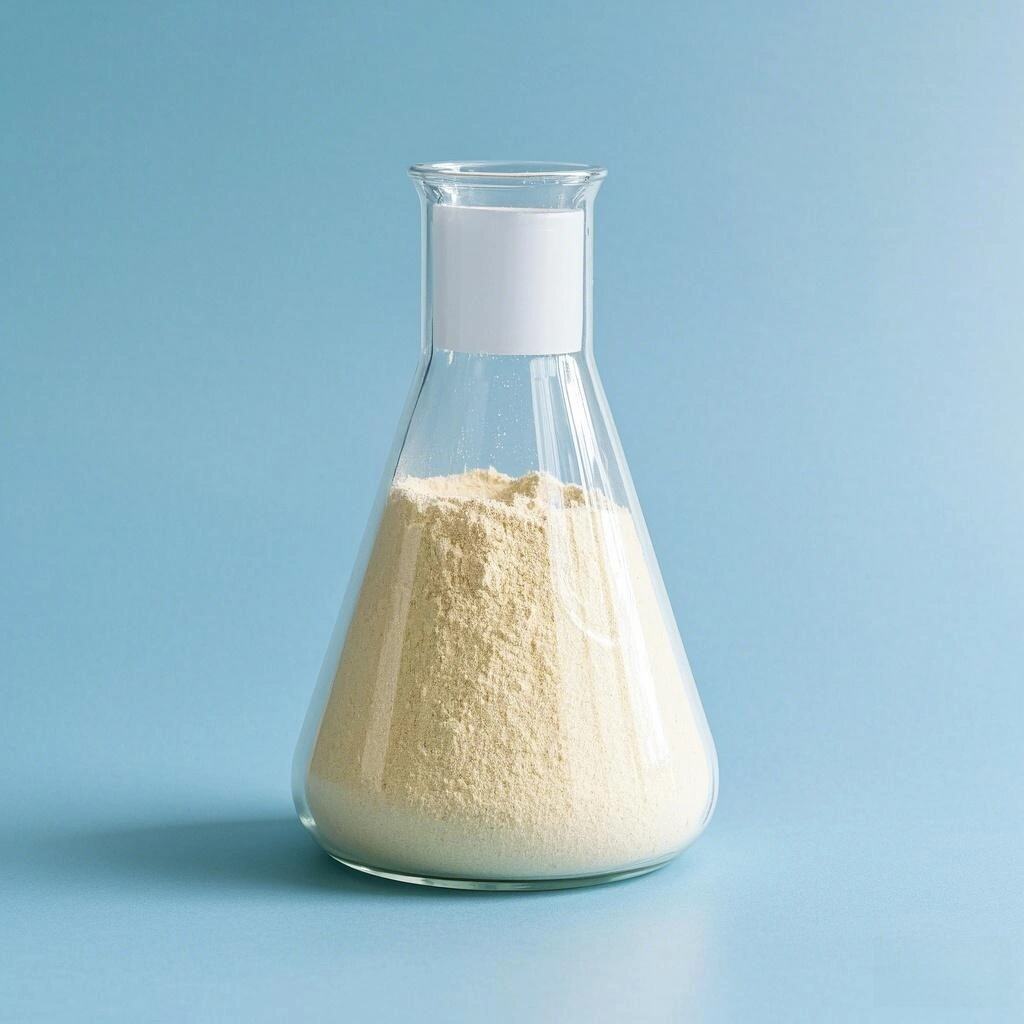
Cementing additives are specialty chemicals and materials blended into cement slurries to modify their properties—whether it’s thickening time, fluid loss, density, or final set characteristics. When chosen correctly, these additives don’t just help the cement set; they dramatically boost strength and long-term durability.
So, which cementing additives should you prioritize? Below are the most effective types, categorized by the challenges they solve.
1. Silica Flour – The High-Temperature Cementing Additive
When temperatures exceed 230°F (110°C), conventional cement suffers from strength retrogression—it becomes weak and brittle.
-
Function: Silica flour reacts with lime to form stable calcium silicate hydrates (tobermorite/xonotlite).
-
Strength & Durability: Prevents strength decline at high temperatures and reduces permeability.
-
Best for: HPHT wells, geothermal wells, deep gas wells.
If you’re operating in high-temperature environments, silica-based cementing additives are non‑negotiable.
2. Microsilica (Silica Fume) – The Microstructure Optimizer
Microsilica is one of the most powerful cementing additives for improving mechanical properties and reducing permeability.
-
Function: Ultra-fine particles fill the voids between cement grains, creating a densely packed matrix.
-
Strength & Durability: Increases compressive strength by up to 30%, lowers permeability to near zero, and prevents solids segregation in high‑density slurries.
-
Best for: Deepwater cementing, tight gas formations, and any application requiring superior bonding.
3. Latex (Polymer) Additives – The Gas Migration Preventer
Gas migration is a primary cause of sustained casing pressure (SCP). Latex-based cementing additives provide a flexible, impermeable barrier.
-
Function: Forms a polymer film within the cement matrix, bridging pore spaces and preventing fluid loss.
-
Strength & Durability: Enhances tensile strength and bond strength; provides flexibility to withstand cyclic loading.
-
Best for: Gas wells, annulus where gas migration risk is high.
4. Fluid Loss Control Additives – Ensuring Slurry Integrity
If a cement slurry loses water to a permeable formation, the water‑to‑cement ratio changes unpredictably, leading to weak, non‑uniform cement.
-
Function: Polymers form a low‑permeability filter cake to retain water in the slurry.
-
Strength & Durability: Guarantees consistent compressive strength development and eliminates channeling.
-
Best for: Permeable formations, long cement columns, horizontal wells.
5. Elastomers & Flexibilizers – The Frac‑Ready Solution
Modern completions often involve hydraulic fracturing and high‑rate production, which subject the cement sheath to severe mechanical shocks.
-
Function: Rubber particles or flexible polymers act as shock absorbers within the set cement.
-
Strength & Durability: Provides elasticity, allowing the cement to expand and contract without cracking—critical for maintaining zonal isolation through the life of the well.
-
Best for: Unconventional shale wells, multi‑stage fracturing, and cyclic steam injection.
6. Corrosion Inhibitors & CO₂ Scavengers – Long‑Term Durability
In environments with CO₂ or H₂S, unprotected cement will degrade over time, leading to loss of zonal isolation.
-
Function: Hydrophobic additives (e.g., latex, resins) create a barrier; chemical scavengers neutralize acidic gases.
-
Strength & Durability: Prevents carbonation and sulfide attack, ensuring the cement sheath lasts decades.
-
Best for: Carbon capture wells, sour gas fields, enhanced oil recovery (EOR) projects.
Choosing the Right Cementing Additives for Your Well
Effective slurry design requires matching the right combination of cementing additives to your specific downhole conditions:
| Well Type | Recommended Cementing Additives |
|---|---|
| Deepwater | Fluid loss control, gas hydrate inhibitors, microsilica |
| HPHT | Silica flour, retarders, high‑temperature fluid loss additives |
| Unconventionals (Shale) | Elastomers, flexibilizers, latex |
| Sour Service (CO₂/H₂S) | Corrosion inhibitors, latex, resin systems |
Final Thoughts
Cementing additives are not optional extras—they are essential tools for engineering a cement sheath that delivers strength, durability, and zonal isolation over the full life of the well. Whether you’re fighting gas migration, high temperatures, or fracturing stresses, the right additives make the difference between a reliable completion and a costly remedial job.
Need help selecting the right cementing additives for your next well?
[Contact our technical team] to design a high‑performance slurry tailored to your downhole conditions.
Table of Contents
- 1. Silica Flour – The High-Temperature Cementing Additive
- 2. Microsilica (Silica Fume) – The Microstructure Optimizer
- 3. Latex (Polymer) Additives – The Gas Migration Preventer
- 4. Fluid Loss Control Additives – Ensuring Slurry Integrity
- 5. Elastomers & Flexibilizers – The Frac‑Ready Solution
- 6. Corrosion Inhibitors & CO₂ Scavengers – Long‑Term Durability
- Choosing the Right Cementing Additives for Your Well
- Final Thoughts
