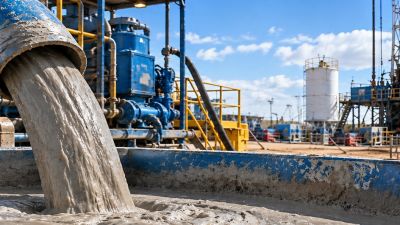
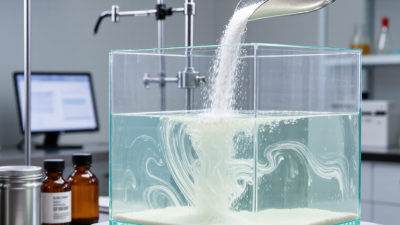
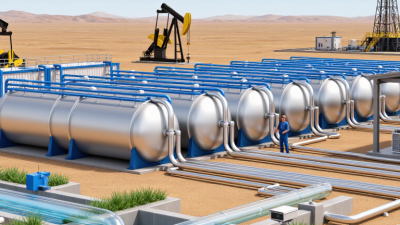
Welcome to JiuJiang LANZO New Materials Technology Co., Ltd.


Picking the right China water treatment chemicals supplier? It’s not just about price tags or who has the biggest catalog. You’ve got to look at how consistent the products are, the technical docs behind them, production capacity, and whether after-sales support actually shows up when you need it. A supplier worth trusting should be able to explain clearly how their chemicals behave in cooling towers, wastewater plants, boilers, or municipal systems—not just hand you a spec sheet.
Dr. Ashok Gadgil, an environmental engineer and water-treatment researcher, has often put it simply: "The best solutions are affordable, reliable, and easy to use." That idea still holds up. Maybe a supplier offers polyaluminum chloride, ferric chloride, biocides, antiscalants, or ion-exchange resins. Fine. But every performance claim should have lab data behind it. And site conditions? They matter a lot.
Companies like Shandong Taihe Water Treatment Technologies Co., Ltd., Henan Qingshuiyuan Technology Co., Ltd., and Jiangsu Jiuwu Hi-Tech Co., Ltd. are worth a look when you’re doing supplier research. Whether they fit depends on your application, export experience, certifications, and how well they communicate. Product names by themselves don’t prove much.
So look closely at batch records, safety data sheets, test methods, and packaging details. Even a twenty-five-kilogram bag tells you something about handling, storage, and transport. Water treatment chemicals also need to match local water chemistry, discharge standards, and equipment materials.
There’s no perfect ranking.
A supplier that works great in one factory might disappoint another. That’s where a lot of comparisons get too simple. Independent sampling, pilot testing, and reference checks can cut down that uncertainty. The strongest shortlist usually combines verified experience, measurable quality, transparent communication, and realistic technical advice. Price still matters, sure—but unstable quality can cost way more through scaling, corrosion, downtime, or rejected wastewater.
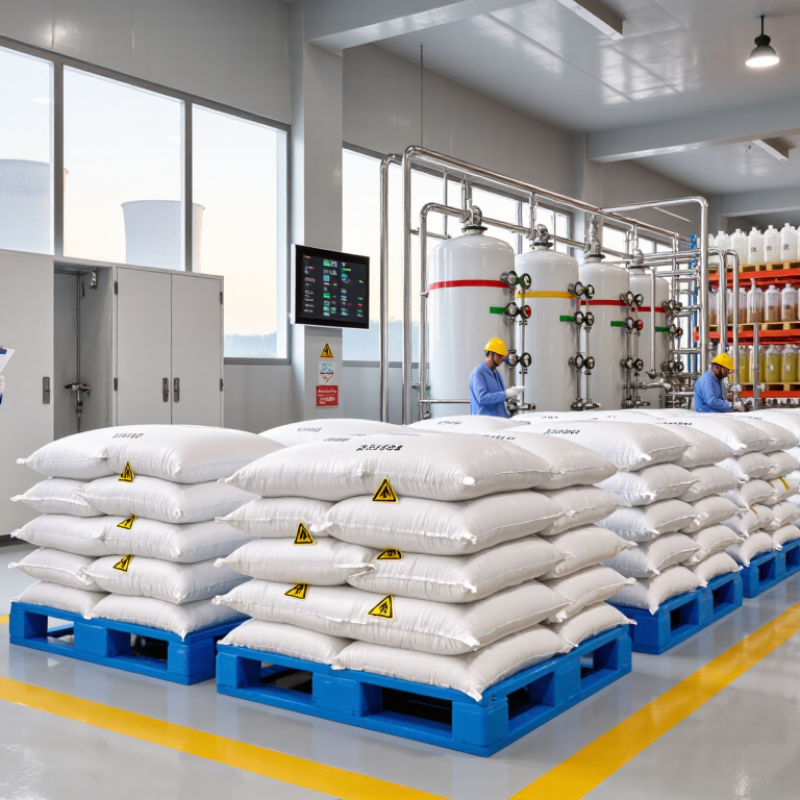
Water treatment chemicals control impurities that physical equipment cannot remove alone. Common examples include coagulants, flocculants, disinfectants, corrosion inhibitors, and pH adjusters. Each chemical targets a different problem. Coagulants gather fine particles into visible flocs. Disinfectants reduce harmful microorganisms. pH adjustment protects pipes and improves treatment performance.
The need is substantial. The WHO/UNICEF Joint Monitoring Programme reported that 2.2 billion people lacked safely managed drinking water in 2022. The UNESCO World Water Development Report 2024 also states that agriculture uses about 70% of global freshwater withdrawals. These figures make efficient treatment essential, especially where water supplies face pollution or seasonal stress. Too little chemical leaves contaminants behind. Too much creates waste, higher costs, and possible residual risks.
Chemical selection should match laboratory results, temperature, alkalinity, and local discharge rules. A product that performs well in one plant may fail elsewhere. This is often overlooked. Reliable suppliers should provide safety data sheets, batch records, dosage guidance, and independent performance testing. Operators should run jar tests before full-scale dosing and monitor turbidity, residual disinfectant, pH, and conductivity. Water quality changes daily, so a fixed formula is rarely perfect. Careful adjustment matters more than impressive claims.
China’s leading water treatment chemical suppliers usually provide products for municipal, industrial, and process-water applications. Common coagulants include polyaluminum chloride, ferric chloride, and aluminum sulfate. These chemicals help remove suspended solids, color, and some organic matter.
Suppliers also offer anionic, cationic, and nonionic flocculants. These polymers gather fine particles into larger, easier-to-settle masses. Scale inhibitors support boiler and cooling-tower systems. Biocides help control microbial growth when used under approved operating procedures. Activated carbon, ion-exchange resins, and membrane-cleaning chemicals are also widely available.
Product quality can vary between batches. That matters. Experienced buyers should request technical data sheets, safety documents, test reports, and batch certificates. Jar testing is essential before large orders. A chemical that performs well in one river may fail in another. I have seen dosage estimates change after temperature, pH, and turbidity shifted.
Tips: Compare active content, not just price. Check packaging, storage life, and delivery conditions. Ask for a small trial batch. Keep treatment records. Suppliers with laboratory support can help adjust dosage, but operators should verify every recommendation on site. Clear documentation builds trust.
| Chemical Product | Chemical Formula or Active Ingredient | Primary Treatment Function | Common Commercial Form | Typical Commercial Specification | Main Target Contaminants | Typical Applications |
|---|---|---|---|---|---|---|
| Polyaluminium Chloride (PAC) | Aln(OH)mCl3n-m | Coagulation and destabilization of suspended particles | Powder or liquid solution | Powder grades commonly contain about 28–31% Al2O3; basicity varies by grade | Turbidity, colloids, color, phosphorus and some organic matter | Municipal drinking water, wastewater, industrial process water |
| Ferric Chloride | FeCl3 | Coagulation, precipitation and chemical phosphorus removal | Liquid solution or solid crystals | Liquid products are commonly supplied at approximately 30–45% FeCl3 | Suspended solids, phosphate, sulfide and some dissolved metals | Municipal sewage, industrial wastewater and sludge conditioning |
| Ferrous Sulfate | FeSO4·7H2O or FeSO4·H2O | Coagulation, phosphorus precipitation and reduction | Blue-green heptahydrate crystals or dry monohydrate powder | Heptahydrate products commonly contain about 19–20% elemental iron | Phosphate, sulfide, chromate and suspended solids | Wastewater treatment, odor control and sludge conditioning |
| Aluminum Sulfate | Al2(SO4)3·xH2O | Coagulation and floc formation | Granules, powder or liquid solution | Water-treatment grades are often specified by Al2O3 content, commonly around 15–17% | Turbidity, suspended solids, natural organic color | Drinking-water clarification, paper production and industrial water |
| Polyacrylamide (PAM) | Acrylamide-based polymer; anionic, cationic or nonionic grades | Flocculation, particle bridging and sludge dewatering | Dry powder, emulsion or aqueous dispersion | Grade selection depends on charge density, molecular weight and hydrolysis level | Fine suspended solids, colloids and sludge particles | Municipal sewage, mining, mineral processing and paper wastewater |
| Polydiallyldimethylammonium Chloride (PolyDADMAC) | Cationic quaternary ammonium polymer | Charge neutralization, coagulation and color removal | Liquid polymer solution | Common solutions contain approximately 20–40% active polymer, depending on grade | Color, colloids, organic matter and negatively charged particles | Drinking-water clarification, textile wastewater and papermaking |
| Sodium Hypochlorite | NaOCl | Oxidation and disinfection | Aqueous liquid solution | Commercial solutions are commonly supplied at several percent to about 12.5% available chlorine | Bacteria, viruses, algae and oxidizable compounds | Drinking-water disinfection, swimming pools and industrial reuse systems |
| Calcium Hypochlorite | Ca(ClO)2 | Disinfection and oxidation | Granules or tablets | Common commercial grades contain approximately 65–70% available chlorine | Bacteria, viruses, algae and biofilm-forming organisms | Emergency water treatment, pools and small water systems |
| Activated Carbon | Porous carbon with high internal surface area | Adsorption of dissolved contaminants | Powdered, granular or extruded carbon | Performance is commonly described by iodine number, ash content and particle size | Taste, odor, residual chlorine, pesticides and many organic compounds | Drinking water, wastewater polishing and industrial process water |
| Sodium Metabisulfite | Na2S2O5 | Dechlorination and oxygen scavenging | White crystalline powder | Industrial grades are commonly supplied at about 97–99% purity | Free chlorine, chloramine and dissolved oxygen | Reverse-osmosis pretreatment, boiler systems and treated-water discharge |
Specifications and dosage requirements vary by raw-water quality, process design and applicable local standards; product selection should be confirmed through laboratory or pilot testing.
China’s water treatment chemical suppliers are best classified by product function, technical depth, and service capability. Commodity suppliers produce inorganic coagulants, flocculants, disinfectants, and pH adjusters. Specialty suppliers focus on scale inhibitors, membrane cleaners, corrosion inhibitors, and biological treatment aids. Integrated suppliers add laboratory testing, dosing equipment, and wastewater process design.
Market size supports this layered view. MarketsandMarkets reported that the global water treatment chemicals market was valued at about USD 35.7 billion in 2023 and may reach USD 42.6 billion by 2028. China’s large industrial base creates demand from municipal plants, power stations, textile mills, and electronics factories.
However, supplier classification is not always consistent. A producer may manufacture chemicals but rely on an external laboratory for application testing.
Look closely at evidence. A reliable supplier should provide batch records, safety data sheets, specification limits, and traceable samples. For flocculants, buyers should compare charge density, molecular weight, and sludge moisture after jar testing. For membrane chemicals, compatibility data matters more than a low quoted price. ISO 9001 certification can indicate process control, but it does not prove field performance. The 2024 UNESCO World Water Development Report also highlights rising pressure on water quality and industrial efficiency. That pressure favors suppliers offering measurable results, not only large catalogs.
Small details matter. A clear dosage curve can reveal more than a polished website.
China’s water treatment chemical suppliers serve far more than municipal plants. Their products support drinking-water clarification, industrial wastewater treatment, cooling towers, boilers, and membrane systems. Common products include coagulants, flocculants, scale inhibitors, corrosion inhibitors, disinfectants, and activated carbon.
The main customers are power stations, petrochemical facilities, mining operations, paper mills, food processors, and semiconductor plants. Reverse osmosis systems require antiscalants and careful pretreatment. Cooling systems need corrosion and biological control. Wastewater plants often combine coagulation, biological treatment, filtration, and sludge conditioning.
UNESCO’s United Nations World Water Development Report 2024 states that industry accounts for roughly 20% of global freshwater withdrawals. That figure explains the demand for recycling and process-water recovery.
Desalination operators also purchase specialized chemicals for membranes, intake systems, and cleaning cycles. The International Desalination Association reports that global desalination capacity has continued expanding, especially in water-stressed regions.
Supplier selection should include jar-test results, compatibility data, dosing records, and onsite technical support. Price alone is a weak measure. A low-cost chemical can increase sludge, membrane fouling, or corrosion. That risk is often underestimated.
Treatment results also depend on raw-water chemistry, temperature, and operator discipline. No supplier can guarantee identical performance everywhere. Actual pilot testing remains necessary, even when a laboratory report looks convincing.
A serious evaluation starts with evidence, not a polished website. Mordor Intelligence estimates the global water treatment chemicals market could reach about USD 46.7 billion by 2029. This growth increases supplier choices, but also increases verification pressure. Buyers should request recent certificates of analysis, safety data sheets, batch numbers, and production dates. Every document should match the quoted product and factory address.
Technical fit matters more than the lowest price. Ask for dosage ranges, active content, pH limits, storage conditions, and compatible equipment. Require a small pilot test using your actual wastewater. Measure turbidity, sludge volume, residual metals, and treatment cost per cubic metre. China’s national environmental statistics show continuing pressure on wastewater control, so reliable performance should be tested under changing loads. Laboratory results alone are not enough.
Audit the supplier’s quality system and traceability process. Check whether samples come from routine production, not a special batch. Request independent testing when the chemical affects discharge compliance. International market reports offer useful benchmarks, but they do not replace site-level verification. A cheaper chemical may create more sludge or shorten membrane life. That mistake is easy to miss. I would also challenge my own assumptions: one successful trial does not prove stable supply, consistent purity, or responsive technical support. Evaluate delivery records, complaint handling, export documentation, and emergency communication before signing a long-term contract.
Choosing among China water treatment chemicals suppliers requires more than comparing prices or product names. Quality control should follow documented systems, often aligned with ISO 9001, while environmental management may reference ISO 14001. Workplace protection is commonly assessed through ISO 45001 principles. Suppliers should also provide current safety data sheets, hazard labels, transport information, and batch-specific certificates of analysis. These documents should match the delivered drum, not a sample from last year.
Practical checks reveal more. Ask for active content, pH, moisture, density, and heavy-metal results where relevant. For chemicals used in drinking-water systems, confirm applicable national standards, permitted substances, and independent testing requirements. Export shipments may also require GHS communication and destination-market chemical rules. Chinese GB standards can apply, but the correct standard depends on the chemical and its intended use. A knowledgeable supplier explains this clearly.
Environmental compliance needs site evidence. Review wastewater controls, emission records, hazardous-waste handling, and emergency procedures. Visit the plant if possible. Look for sealed floors, labeled storage, spill kits, and clean sampling areas. A certificate alone can hide weak batch control. Even a polished audit may miss seasonal problems. Buyers should verify production dates, retain samples, test critical batches independently, and check whether corrective actions were completed. Reliable suppliers accept these questions without becoming defensive. That response is useful evidence too.
Water-reducing agents are becoming increasingly important in the concrete admixture market as construction projects demand higher performance, improved efficiency, and more durable structures. Industry analysis highlights the growing need for admixtures that can reduce water consumption without compromising workability. By lowering the water-to-cement ratio, these solutions can support higher strength, better durability, and more consistent concrete quality while helping producers optimize material use and meet increasingly demanding project specifications.
A high-performance powdered water reducer is designed to improve concrete fluidity, slump retention, and pumpability across a wide range of applications. It also helps reduce segregation and bleeding, promoting a more uniform mix and smoother placement. The powder format enables low dosage rates, broad compatibility with different cementitious materials, and convenient storage and handling. Compared with liquid alternatives, it can simplify logistics while reducing packaging requirements and transportation costs, making it suitable for ready-mix concrete, precast components, infrastructure projects, and demanding construction environments.
From a market perspective, powdered admixtures offer practical advantages for manufacturers and contractors seeking reliable performance with greater operational flexibility. Their easier dosing, efficient transport, and adaptability to varied formulations can support streamlined production and more predictable concrete performance. As construction continues to prioritize resource efficiency, durability, and pumping performance, advanced water-reducing technologies are positioned to play a larger role in modern concrete mix design.
They control impurities that equipment cannot remove alone. Common functions include particle removal, disinfection, corrosion control, and pH adjustment.
Coagulants gather tiny particles. Flocculants help form larger, visible clusters that settle or filter more easily.
Suitable pH protects pipes and improves treatment performance. Incorrect pH can reduce chemical efficiency and damage equipment.
Run jar tests before full-scale dosing. Monitor turbidity, pH, conductivity, and disinfectant residuals during operation.
Water chemistry changes with temperature, alkalinity, pollution, and seasonal conditions. A product successful elsewhere may perform poorly here.
Request safety data sheets, analysis certificates, batch numbers, production dates, and dosage guidance. Check that every document matches the product and facility.
Use a small pilot test with actual wastewater. Measure turbidity, sludge volume, residual metals, and treatment cost per cubic metre.
Not necessarily. A cheaper product may create more sludge, increase waste, or shorten membrane life. That mistake is easy to miss.
Check delivery records, traceability, complaint handling, export documents, and emergency communication. One successful trial proves less than many buyers expect.
Review them as water quality changes. A fixed formula is convenient, but rarely perfect. Operators should question their own assumptions.
Water Treatment Chemicals are essential products used to remove impurities, control microbial growth, prevent corrosion, reduce scaling, and improve the performance of water treatment systems. Leading suppliers in China may offer coagulants, flocculants, disinfectants, biocides, scale inhibitors, corrosion inhibitors, activated carbon, membrane-cleaning agents, and customized treatment formulations. These suppliers can be classified by product specialization, production scale, technical capability, and the markets they serve.
Their solutions support municipal water and wastewater treatment, industrial processes, power generation, manufacturing, mining, agriculture, and commercial facilities. Buyers should evaluate suppliers according to product consistency, technical support, production capacity, delivery reliability, customization ability, and transparent documentation. Quality and compliance should also be confirmed through relevant testing, safety data, environmental controls, and recognized management standards. A responsible supplier should provide clear handling guidance, accurate performance information, and solutions that balance treatment efficiency, worker safety, environmental protection, and long-term operating costs.