Welcome to JiuJiang LANZO New Materials Technology Co., Ltd.


Leave Your Message
0%

Honestly, picking a corrosion inhibitor in 2026 isn't about finding some magic bullet that works everywhere. It's more about matching the chemistry to what you're actually dealing with. Salt water? Acidic process streams? Damp storage? They all throw different kinds of corrosion at you. So the product that's perfect for a steel pipeline might be totally wrong for a copper heat exchanger. Yeah, the little things really count.

Corrosion scientist Dr. Gerald Frankel put it in engineering terms, and honestly, it boils down to this: you can’t protect something effectively until you really understand the material, its environment, and how corrosion actually works. That idea is basically the backbone of how we compare inhibitors in this guide—whether they’re film-forming, passivating, or volatile. When you're working with copper systems, the Copper Corrosion Inhibitor you choose also needs to play nice with your alloys, the water chemistry, and the operating temperature. Sure, product data sheets are great for narrowing down your options, but honestly, they can't replace testing things out in your actual application.

Honestly, the 'best' choice really comes down to a few measurable things—chloride levels, pH, flow speed, temperature, and what metals are in contact. You also want to check whether the inhibitor plays nicely with existing coatings, seals, and treatment programs. After that, look at field performance and what monitoring actually requires. Lab results are useful, sure, but real equipment doesn't always follow the script. It's an imperfect truth, but worth keeping in mind.

If you're reading this, you're probably trying to compare the leading approaches and figure out which one makes sense for your situation—and honestly, that's a great place to start. This isn't going to slap a permanent “best” label on anything. That kind of thinking falls apart pretty quickly, because corrosion control isn't static. Equipment ages, water chemistry shifts, operating conditions drift—what worked yesterday might not cut it tomorrow. So think of this as help for building a shortlist you can defend, not a magic promise of zero corrosion. You'll still need to ask better questions before specifying a product.
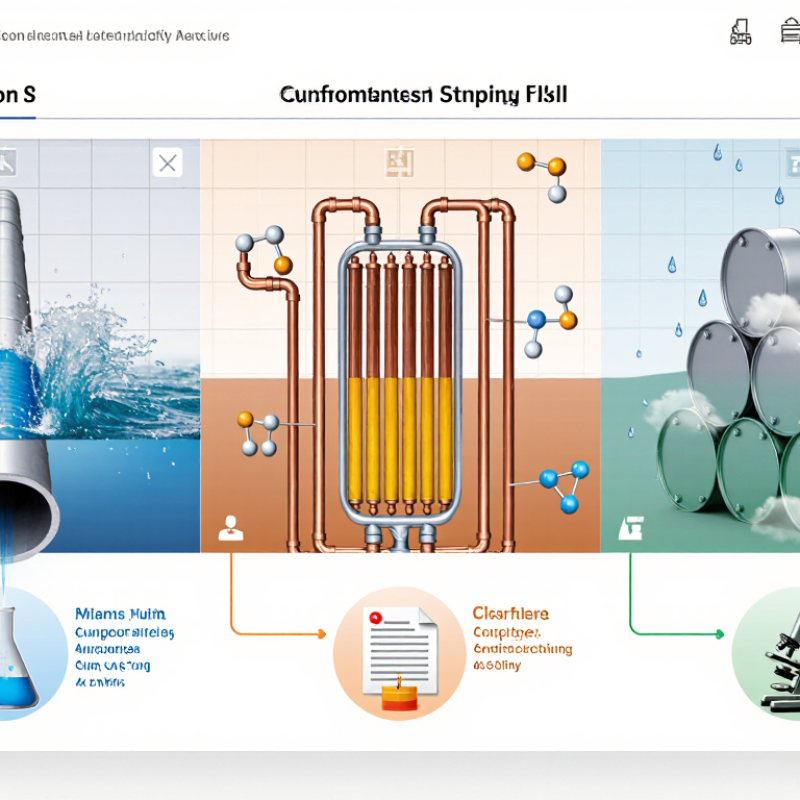
What Are the Best Corrosion Inhibitors in 2026?

What Corrosion Inhibitors Are and How They Work

A Corrosion Inhibitor is a substance added to a fluid or applied to a metal surface to slow corrosion. It works by reducing the metal’s contact with corrosive agents such as water, oxygen, or dissolved salts. Some inhibitor molecules attach to the surface and form a thin protective layer. Others encourage passivation, a condition where the metal develops a more stable surface film.

Different chemistries act in different ways. Anodic inhibitors support protective reactions at active spots, while cathodic types slow reactions that consume oxygen or release hydrogen. Some combine both effects. The chemistry matters. A product suited to a closed heating loop may perform poorly in seawater or an open cooling system. Temperature, pH, flow, and metal type all influence results.

In practice, operators check concentration and water conditions rather than assuming protection is working. A small test coupon can reveal surface changes that are easy to miss inside a pipe. Inhibitors can also lose effectiveness through dilution, contamination, or poor maintenance. Not a cure-all. They do not replace sound design, compatible materials, or routine inspection, and the right choice depends on the specific system.

How Corrosion Inhibitors Are Classified

Corrosion inhibitors are best classified by how they act at a metal surface, not by a product label. In water systems, engineers commonly group them as anodic, cathodic, or mixed inhibitors. Anodic inhibitors support protective films, while cathodic types slow reduction reactions or restrict oxygen access. Mixed inhibitors influence both reactions, often through adsorption or barrier-film formation. The distinction matters: a steel coupon in a cooling-water loop may respond differently from a pipeline exposed to brine.

Classification also depends on delivery and operating conditions. Some inhibitors form films directly; others are volatile and protect metal in enclosed spaces. The 2016 NACE International IMPACT study estimated corrosion costs at US$2.5 trillion annually, or about 3.4% of global GDP. It also estimated that effective corrosion-control practices could save 15–35% of those costs. These figures are a useful industry benchmark, not a guarantee for any one asset. Neat categories can mislead. Real fluids are rarely neat.

A Wax Inhibitor is different: it targets paraffin deposits, not electrochemical corrosion. Deposits may alter local flow and water contact, but that does not make wax control a substitute for corrosion control. Engineers should classify each treatment by its mechanism, then verify performance using site-specific water chemistry, temperature, and corrosion monitoring.

Which Inhibitor Types Suit Different Metals and Environments

What Are the Best Corrosion Inhibitors in 2026?

The best inhibitor depends on the metal, fluid, temperature, and exposure time. Carbon steel in a closed water system often benefits from carefully controlled nitrite or phosphate treatments. These help maintain a protective surface film, but poor dosing can leave parts of the system vulnerable. Conditions matter.

Copper and its alloys may need azole-based inhibitors, especially in circulating water where discoloration or pitting is a concern. Aluminum needs a compatible formulation; strongly alkaline conditions can damage its surface. Stainless steel usually resists corrosion well, yet chloride-rich water and tight crevices can still trigger localized attack. A general-purpose product is rarely a safe assumption.

In oil and gas fluids, film-forming organic inhibitors can reduce contact between corrosive water and steel. Their performance depends on flow, concentration, and whether the film stays attached. A Clay Inhibitor is used to limit clay swelling in certain process fluids; it is not, by itself, a metal corrosion inhibitor. That distinction matters. Before changing treatment, check water chemistry, metal grades, and deposits, then compare results using monitored coupons or probes. Field data may disagree with a neat lab result, so retesting under actual operating conditions is worth the extra effort.

How to Compare Corrosion Inhibitor Performance

Choosing the best corrosion inhibitor in 2026 means comparing measured performance under matched conditions, not relying on product claims. AMPP’s 2016 IMPACT study estimated corrosion costs at US$2.5 trillion annually, or 3.4% of global GDP. That estimate shows the scale of the problem, but it does not identify a suitable inhibitor for any specific system. Start with the metal, fluid chemistry, temperature, and flow conditions. Then compare treated samples with untreated controls using a consistent test, such as ASTM G31 immersion testing. Record mass loss and calculate corrosion rate and inhibition efficiency. Small differences in surface preparation can skew results.

Look beyond one laboratory number. Electrochemical tests can show changes in corrosion current, while longer immersion tests reveal damage over time. Compare replicate samples, inhibitor concentration, and exposure duration. Keep the details consistent. A result from a quiet beaker may not predict performance in a hot, fast-moving pipeline. Field monitoring should track corrosion probes or coupons alongside water chemistry and operating conditions. Report the method and uncertainty, not just the highest efficiency percentage. A 95% result sounds decisive, but it may reflect a short test or a narrow set of conditions. That deserves a second look.

What Are the Best Corrosion Inhibitors in 2026?

How to compare inhibitor performance using common corrosion test methods

There is no universally best corrosion inhibitor: results depend on the metal, fluid, temperature, and operating conditions. This chart compares what each test method measures—not inhibitor rankings. Mass-loss immersion tests determine weight loss and can be used to calculate a corrosion rate; LPR and polarization tests provide electrochemical measurements and can estimate corrosion rate; EIS measures electrochemical impedance. Compare inhibitors under the same conditions and report the test method and exposure details.

How to Select an Inhibitor for a Specific Application

What Are the Best Corrosion Inhibitors in 2026?
How to Select an Inhibitor for a Specific Application

The best corrosion inhibitor depends on the metal, fluid, and operating conditions—not simply the product category. For carbon steel in a closed water system, a different chemistry may suit stainless steel exposed to salty spray. Check pH, chloride levels, temperature, flow rate, and contact time. These details help narrow the options and avoid a poor material match. A neat laboratory result can still mislead if real-world flow or deposits differ.

Ask what failure you need to prevent: general rusting, pitting, or corrosion beneath scale. A Scale Inhibitor controls mineral deposits; it does not automatically protect metal from corrosion. Some treatment programs need both functions, with compatibility checked before use. Review technical data and safety information, then test representative metal coupons under realistic conditions. Monitor corrosion rates after application, since dosage, water chemistry, and maintenance can shift performance. Selection is rarely perfect on paper.

Tips: Match the inhibitor to every wetted metal. Keep a sample of the system water. Record temperature and dosage changes. Recheck results after operating conditions change. If deposits, leaks, or unexpected metal loss appear, investigate the whole treatment system rather than simply increasing the dose.

What Are the Best Corrosion Inhibitors in 2026? — How to Select an Inhibitor for a Specific Application

Application Common inhibitor family Typical metals or system Why it may be suitable Key selection cautions
Closed-loop heating and chilled-water systems Nitrite-based blends; molybdate-based blends; azoles where copper alloys are present Primarily carbon steel; some systems also contain copper or brass Can help protect ferrous metals in controlled, recirculating water systems when inhibitor concentration and water chemistry are maintained. Nitrite requires monitoring and may be unsuitable where microbiological control is poor. Confirm compatibility with system metals, elastomers, and treatment requirements.
Open recirculating cooling-water systems Phosphonates, phosphate-based programs, polymers, and metal-specific inhibitors Carbon steel and, depending on the system, copper alloys or stainless steel Treatment programs can address corrosion alongside scale control in circulating water exposed to evaporation and changing water chemistry. Performance depends on pH, hardness, alkalinity, cycles of concentration, and water quality. Phosphorus discharge limits and scale formation may constrain the choice.
Copper-containing plumbing and heat exchangers Azoles, such as benzotriazole- or tolyltriazole-type compounds Copper and copper alloys, including brass Azoles can form protective surface films on copper alloys and are often used as part of a multi-metal water-treatment program. They do not replace a suitable inhibitor for steel or other metals. Check discharge restrictions, water chemistry, and compatibility with the complete treatment program.
Automotive and equipment engine coolants Organic-acid technology (OAT); hybrid organic-acid formulations; silicate-containing formulations Mixed-metal cooling systems, commonly including aluminum, iron, steel, and copper alloys Coolant formulations are designed to protect multiple materials while also meeting heat-transfer and service-life requirements. Use the coolant specification required by the equipment manufacturer. Do not mix incompatible coolant chemistries; check seals, water quality, and service interval requirements.
Acid cleaning, pickling, and acidizing operations Adsorbing organic inhibitors, including amine- or imidazoline-based formulations Usually carbon steel exposed to a specified acidic fluid Selected products can reduce acid attack on steel during a defined operation when tested under representative conditions. Effectiveness varies with acid type and strength, temperature, exposure time, flow, and steel grade. Validate with laboratory testing and field procedures; observe handling and safety requirements.
Oil and gas production systems Film-forming organic inhibitors, often amine- or imidazoline-based blends Carbon steel in aqueous phases containing carbon dioxide and, in some systems, hydrogen sulfide Adsorbed films can reduce corrosion in suitable conditions and may be delivered continuously or intermittently. Select using fluid composition, temperature, pressure, water cut, flow regime, and metallurgy. Assess emulsion, foaming, deposit, and environmental compatibility risks.
Temporary protection during storage or shipment Volatile corrosion inhibitors (VCIs) in paper, film, emitters, or enclosed packaging Ferrous metals and, with specifically qualified products, selected nonferrous metals Vapor-phase protection can reach exposed metal surfaces within a suitably enclosed package or space. Protection depends on enclosure, package volume, temperature, exposure duration, and metal compatibility. Follow product instructions and verify protection for the actual packaging configuration.
Potable-water systems Orthophosphate or blended phosphate treatment, where permitted and properly controlled Distribution systems containing iron, copper, or lead-bearing materials Phosphate treatment may help reduce metal release and corrosion in some water chemistries when managed by a qualified water utility. Treatment must comply with drinking-water regulations and be adjusted to local water chemistry. It is not a substitute for replacing deteriorated or unsuitable plumbing.

Selection note: There is no single best inhibitor for every system. Confirm metal compatibility, operating conditions, water or process-fluid chemistry, regulatory requirements, and performance through appropriate testing and monitoring.

What to Consider When Choosing Corrosion Inhibitors in 2026

Choosing a corrosion inhibitor in 2026 starts with understanding the system, not comparing product claims. Identify the metal, fluid chemistry, operating temperature, and corrosion pattern. A carbon-steel pipe carrying warm, oxygenated water needs different protection from a closed cooling loop. Small details matter. Chlorides, changing pH, and high flow can weaken an otherwise suitable treatment.

Consider how the inhibitor protects the surface. Some form a protective film; others reduce corrosion reactions in the fluid. Ask whether the treatment suits the equipment, seals, and downstream processes. Check its performance across expected temperature and flow changes, not just ideal conditions. A lab result is useful, but it cannot capture every field variable.

Compatibility deserves careful attention. An inhibitor may react with existing deposits or another treatment, causing scale or reduced protection. Review handling requirements, environmental impact, and monitoring needs before adoption. Then test under representative conditions and track corrosion indicators over time. It may take adjustment. One uncomfortable truth: even a carefully selected inhibitor can fail when dosing is inconsistent or water chemistry shifts unnoticed. A practical plan should specify sampling frequency, dosage limits, and who responds when readings drift.

How Copper Corrosion Inhibitors Protect Metal Systems and Extend Service Life

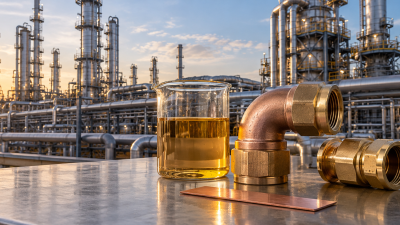
Copper corrosion inhibitors help protect fuel-system components by forming a thin surface film that limits contact between copper and reactive sulfur compounds. By reducing copper dissolution into fuel, the film can help preserve metal surfaces and reduce the risk of corrosion-related contamination in the system. This protection matters because corrosion can affect reliability across many industrial assets: the NACE International IMPACT study estimated the global cost of corrosion at approximately US$2.5 trillion annually, or 3.4% of global GDP, based on 2013 data. That broad estimate underscores the value of prevention, though actual outcomes depend on fuel chemistry, operating conditions, and maintenance practices.

In fuel applications, inhibitor performance can be assessed alongside established material-compatibility methods. ASTM D130, the Standard Test Method for Corrosiveness to Copper from Petroleum Products by Copper Strip Test, provides a recognized way to evaluate how a petroleum product affects a copper strip under specified test conditions. Used as part of a suitable monitoring program, such testing can help operators track corrosive tendencies and assess whether protective treatment is performing as intended. A durable surface film, supported by appropriate testing and routine system care, can help limit copper attack and extend the service life of copper-containing components.

FAQS

How are corrosion inhibitors commonly classified?

They are grouped as anodic, cathodic, or mixed inhibitors, based on how they act at metal surfaces.

What do anodic and cathodic inhibitors do?

Anodic inhibitors support protective films. Cathodic inhibitors slow reduction reactions or limit oxygen access.

How do mixed inhibitors protect metal?

They influence both corrosion reactions, often through surface adsorption or a barrier film. Real fluids are messy.

Does a wax inhibitor prevent corrosion?

No. It targets paraffin deposits, not electrochemical corrosion. Deposits can change local flow, but wax control is not corrosion protection.

What should engineers check before choosing an inhibitor?

Identify the metal, fluid chemistry, temperature, and corrosion pattern. Chlorides, pH shifts, and high flow can matter.

Why should inhibitor performance be tested under representative conditions?

Lab results cannot capture every field variable. Check performance across expected temperature and flow changes.

Can an inhibitor affect other treatments or equipment?

Yes. It may interact with deposits or other treatments, causing scale or reduced protection. Check equipment and downstream compatibility.

How should inhibitor performance be monitored?

Set sampling frequency and dosage limits, then track corrosion indicators. Assign someone to respond when readings drift.

Can a suitable inhibitor still fail?

Yes, if dosing is inconsistent or water chemistry changes unnoticed. That part is easy to underestimate.

Conclusion

Choosing the best corrosion inhibitor in 2026 starts with understanding how these substances slow metal deterioration. Depending on their chemistry, they may form a protective surface film, reduce electrochemical reactions, or help maintain a less corrosive environment. Inhibitors are commonly grouped by how they protect surfaces and how they are applied, but no single type works equally well for every metal or operating condition.

To compare options, consider protection performance alongside factors such as temperature, moisture, chemical exposure, application method, compatibility, maintenance needs, and environmental impact. A suitable Corrosion Inhibitor for steel in a water system, for example, may not be appropriate for aluminum or for equipment exposed to a different environment. Start by identifying the metal, the source of corrosion, and operating requirements, then assess candidate inhibitors under representative conditions. The best choice is the one that provides dependable, compatible protection while meeting the application’s practical and environmental priorities.
Evelyn

Evelyn

Evelyn is a professional marketing specialist at a dynamic chemical enterprise established in 2019, where she combines strong market insight with extensive knowledge of high-performance chemical additives. With a deep understanding of product functions, application requirements, quality standards,......
Previous Top Petroleum Additives Suppliers for Global Buyers